
Easy Sheet Pan Vegetables (Perfectly Roasted Every Time!)

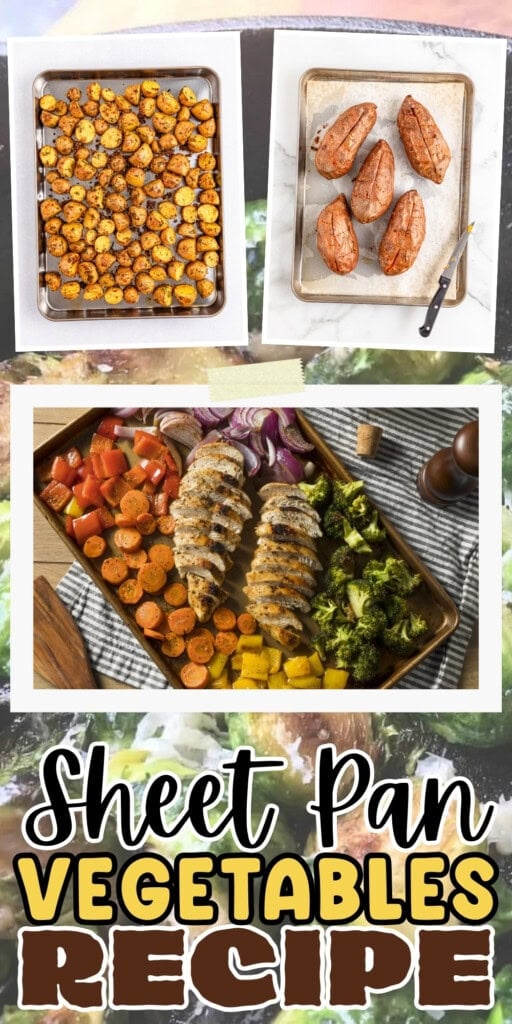
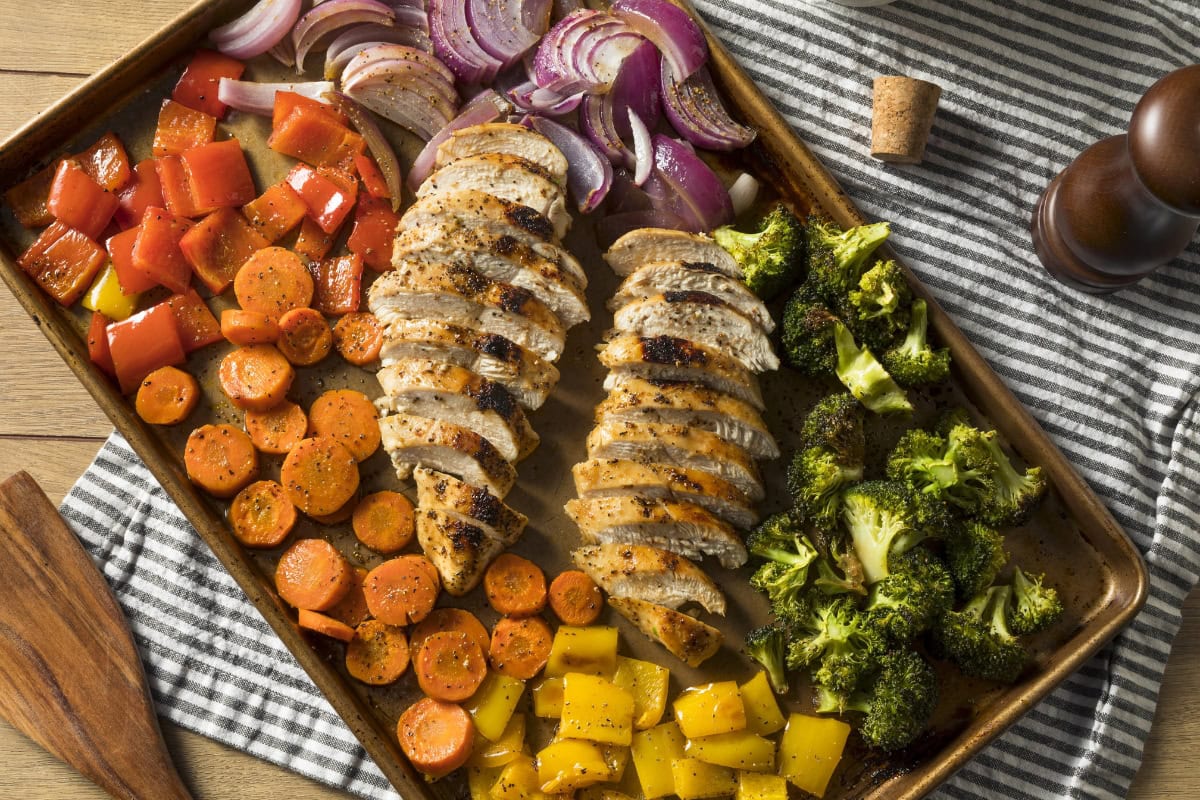
Sheet pan vegetables are the ultimate weeknight dinner solution that brings together colorful, nutritious produce in less than 30 minutes. This simple cooking method transforms ordinary vegetables into caramelized, tender bites with crispy edges that even picky eaters will love.
Save This Post!
Whether you’re meal prepping for the week or need a quick side dish, roasted sheet pan vegetables offer endless variety and require minimal hands-on time just toss with olive oil and seasonings, then let the oven do all the work while you prepare the rest of your meal.
Looking for more roasted vegetable inspiration? Try my Roasted Brussels Sprouts with Balsamic Glaze for a sweet and tangy twist, or check out my comprehensive guide to 27 Easy Roasted Vegetables in the Oven for even more ideas!
Reasons You’ll Love These Ideas
- One-Pan Wonder: Everything cooks together on a single sheet pan, making cleanup a breeze and freeing up your stovetop for other dishes.
- Naturally Healthy: Roasting brings out the natural sweetness in vegetables without adding excessive fats or calories, creating a nutritious side that complements any meal.
- Meal Prep Friendly: These vegetables reheat beautifully and stay fresh in the refrigerator for up to 5 days, making them perfect for weekly meal preparation.
- Endlessly Customizable: Mix and match your favorite seasonal vegetables and experiment with different herb and spice combinations to create new flavor profiles every time.
Best Vegetables for Sheet Pan Roasting
Sweet Potatoes (25-30 minutes)
Cut sweet potatoes into 1-inch cubes for even cooking. Toss with olive oil, salt, pepper, and a pinch of cinnamon or paprika for extra warmth. These natural beauties caramelize perfectly and pair wonderfully with both savory and sweet seasonings. For complete guidance on preparation techniques, check out my How to Cook Sweet Potatoes (9 Easy Methods!) or try my foolproof Baked Sweet Potatoes (Perfect Oven Baked Recipe) for whole sweet potato roasting tips.
Serving suggestions: Serve alongside roasted chicken or pork, or use as a base for grain bowls with quinoa and black beans.

Baby Potatoes (20-25 minutes)
Halve baby potatoes and toss with olive oil, rosemary, garlic, and coarse salt. The cut sides get beautifully golden while the skin stays tender. My Easy Oven Roasted Baby Potatoes with Rosemary provides the perfect technique that works every single time.
Serving suggestions: Perfect alongside any roasted meat or as part of a hearty breakfast with eggs and bacon.
Carrots (20-25 minutes)
Cut carrots into uniform sticks or rounds. Try them with honey and thyme for a sweet-savory combination, or go Mediterranean with olive oil, garlic, and fresh herbs. The natural sugars in carrots caramelize beautifully at high heat.
Serving suggestions: Excellent with roasted chicken or as part of a colorful veggie medley for meal prep.
Brussels Sprouts (18-22 minutes)
Halve Brussels sprouts and place cut-side down for maximum caramelization. They become sweet and nutty when roasted properly. My Roasted Brussels Sprouts with Balsamic Glaze shows exactly how to transform these often-misunderstood vegetables into a crowd favorite with a sweet and tangy finish.
Serving suggestions: Perfect for holiday meals or weeknight dinners alongside pork chops or roasted salmon.

Broccoli (15-18 minutes)
Cut broccoli into similar-sized florets. Toss with olive oil, garlic powder, and red pepper flakes for a bit of heat. The edges become crispy, while the stems remain tender-crisp.
Serving suggestions: Great in pasta dishes, grain bowls, or as a simple side with grilled chicken.
Cauliflower (20-25 minutes)
Cut into medium florets and season with curry powder, turmeric, and garlic for an Indian-inspired side, or keep it simple with olive oil, salt, and fresh herbs.
Serving suggestions: Works beautifully in Buddha bowls or as a low-carb substitute served under stir-fries.
Bell Peppers and Onions (18-22 minutes)
Slice bell peppers into strips and onions into wedges. These cook at similar rates and complement each other perfectly. Season with balsamic vinegar, oregano, and garlic for a Mediterranean flair.
Serving suggestions: Perfect for fajita night, pasta dishes, or served over rice with your favorite protein.
Zucchini and Summer Squash (12-15 minutes)
Cut into half-moons or rounds, keeping pieces about 1/2 inch thick. These cook quickly, so add them to the pan during the last 15 minutes if roasting with other vegetables. Season with Italian herbs, garlic, and a squeeze of lemon juice.
Serving suggestions: Toss with pasta and parmesan, or serve alongside grilled fish for a light summer meal.
Quick-Cooking Vegetables
Asparagus, green beans, and cherry tomatoes cook in 10-15 minutes and should be added later in the roasting process or roasted separately to prevent overcooking.
Essential Tips for Perfect Sheet Pan Vegetables
- Size Matters: Cut all vegetables to roughly the same size to ensure even cooking. Harder vegetables like carrots and potatoes should be cut smaller than softer ones like bell peppers and zucchini.
- Don’t Overcrowd: Spread vegetables in a single layer with space between each piece. Overcrowding creates steam instead of the dry heat needed for proper roasting and caramelization.
- High Heat is Key: Roast at 425-450°F for the best results. This high temperature helps vegetables develop those delicious crispy edges while keeping the interiors tender.
- Oil and Season Generously: Use enough olive oil to coat all vegetables lightly, and don’t be shy with salt and pepper. The vegetables will absorb these flavors as they roast.
Pro Tips for Sheet Pan Success
Timing Different Vegetables: When roasting multiple vegetables together, start with the longest-cooking ones first. Add quicker-cooking vegetables like zucchini and asparagus during the last 10-15 minutes of cooking time.
The Two-Pan Method: For the best results when cooking various vegetables, use two sheet pans to avoid overcrowding. This ensures proper browning and prevents steaming.
Storing Sheet Pan Vegetables
- Storage: Allow roasted vegetables to cool completely before transferring to storage containers to prevent condensation and sogginess
- Refrigerator: Store leftover sheet pan vegetables in airtight containers for up to 4-5 days. They make excellent additions to grain bowls, salads, or quick weekday lunches.
- Freezing: Most roasted vegetables freeze well for 2-3 months, though softer vegetables like zucchini may become slightly watery when thawed. Root vegetables and Brussels sprouts freeze particularly well.
- Reheating: Reheat in a 350°F oven for 5-7 minutes to restore some of the original crispiness, or quickly sauté in a pan with a bit of olive oil.
FAQs
The ideal temperature for sheet pan vegetables is between 425-450°F. This high heat helps vegetables caramelize properly while cooking them through without becoming mushy.
Properly roasted vegetables should be tender when pierced with a fork and have golden-brown, slightly crispy edges. Cooking time varies by vegetable type and size, typically ranging from 20-40 minutes.
While fresh vegetables generally give better results, you can use frozen vegetables. Just make sure to thaw and pat them dry first to remove excess moisture that can prevent proper browning.
Cut harder vegetables like potatoes and carrots into smaller pieces (about 1-inch) and softer vegetables like bell peppers into larger pieces (about 1.5-2 inches) to ensure everything finishes cooking at the same time.
Use parchment paper or a light coating of cooking spray on your sheet pan. Make sure vegetables are properly coated with oil, and avoid moving them too early in the cooking process, as this can cause sticking.
