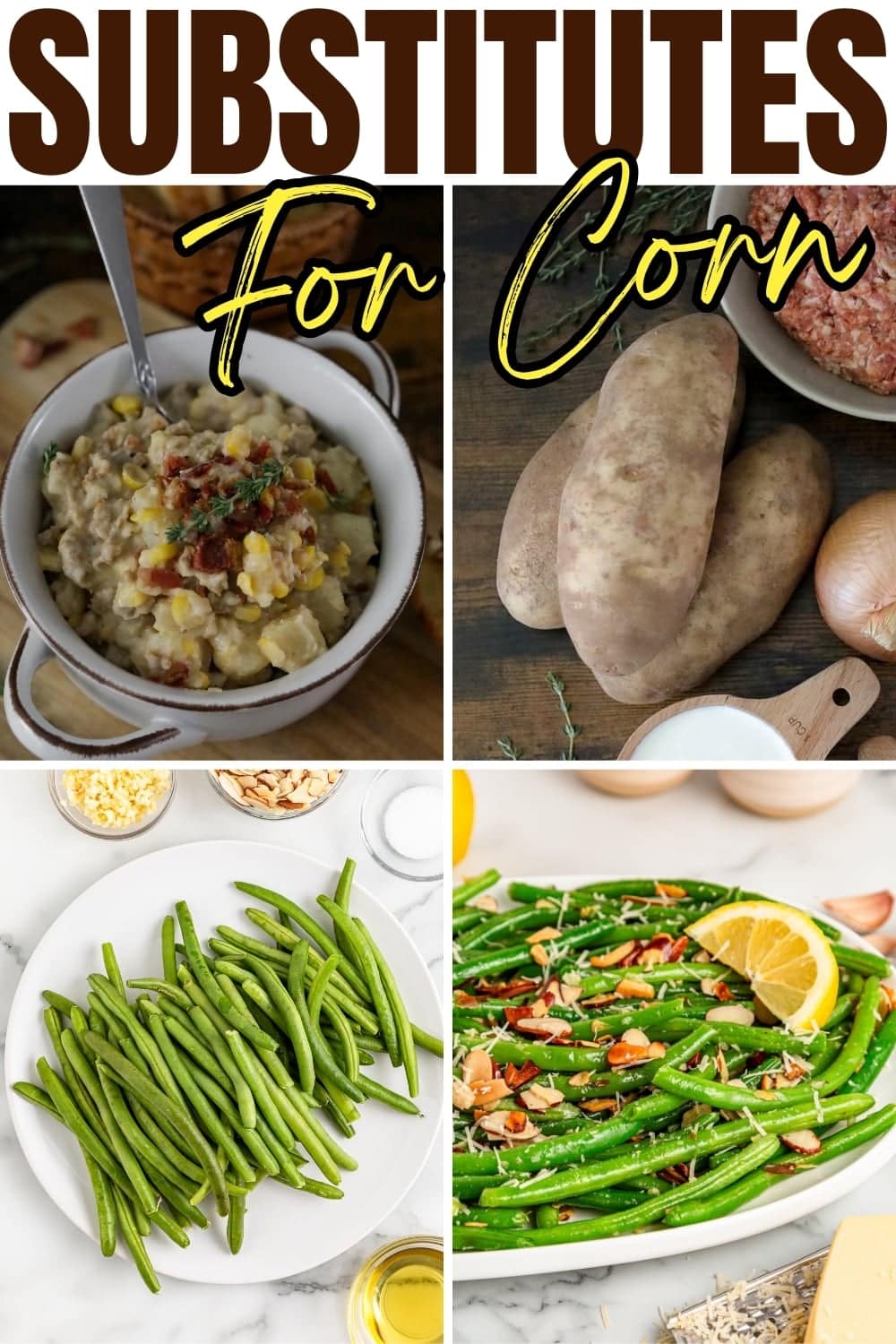
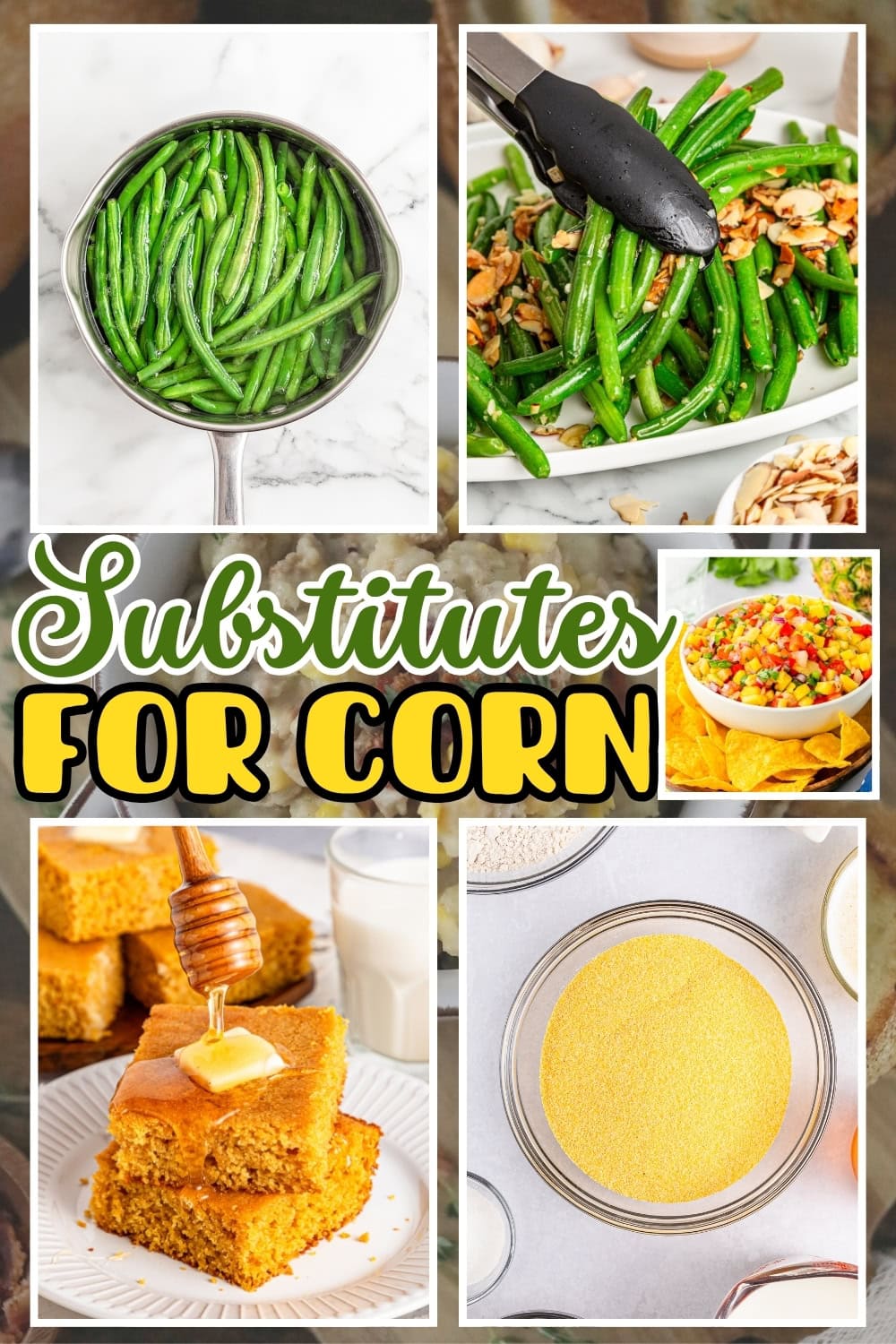
What Can You Substitute for Corn? Best Alternatives

Picture this: you’re halfway through preparing your favorite summer salad recipe when you realize you’re completely out of corn. Or maybe you’re dealing with a corn allergy and need alternatives that won’t compromise on flavor or texture. Whether you’re looking to switch things up or working around dietary restrictions, finding the right substitutes for corn can make all the difference in your cooking.
Save This Post!
Corn is incredibly versatile, adding sweetness, crunch, and substance to everything from Easy Corn Recipes to hearty chowders. The good news is that there are plenty of delicious alternatives that can step in seamlessly. From fresh vegetables that mimic corn’s crunch to ingredients that provide similar nutritional benefits, these substitutes will keep your dishes satisfying and flavorful.
Why You Might Need Corn Substitutes
There are several reasons why you might be searching for corn alternatives. Corn allergies affect more people than you might think, causing digestive issues or skin reactions. Some people following specific diets like keto or paleo avoid corn due to its high carbohydrate content.
Seasonal availability is another factor – fresh corn isn’t always accessible year-round, and sometimes you simply run out when you need it most. Cost can also play a role, especially when corn prices spike or when you’re looking for more budget-friendly options. Understanding these reasons helps you choose the best substitute for your specific situation.
Best Corn Substitutes for Salads and Cold Dishes
When you’re making fresh salads or cold dishes, you want substitutes that provide similar texture and visual appeal to corn kernels.

- Diced bell peppers make an excellent corn replacement, offering a satisfying crunch and natural sweetness. Red, yellow, or orange peppers work particularly well because they add vibrant color to your dishes. They’re perfect in Mexican-inspired salads like this Easy Black Bean and Corn Mexican Salad Recipe.
- Frozen peas (thawed) provide a similar size and pop of sweetness to corn kernels. They work especially well in pasta salads and grain bowls. The natural sweetness pairs beautifully with tangy dressings and herbs.
- Diced cucumbers bring refreshing crunch without competing flavors. They’re particularly good in summer salads where you want that fresh, crisp texture that corn typically provides. Choose firm cucumbers and dice them to roughly the same size as corn kernels.
- Halved cherry tomatoes add bursts of juicy sweetness and bright color. They work wonderfully in dishes where corn’s sweetness is the main appeal. Try them in place of corn in Elote Corn Salad with Cotija Cheese for a fresh twist.
- Edamame offers protein along with a similar pop and mild flavor. These young soybeans work particularly well in Asian-inspired salads and grain bowls, providing substance and nutrition.
Corn Substitutes for Soups and Chowders
Soups and chowders require substitutes that can hold their shape during cooking while adding substance and flavor.

- Diced potatoes are a classic choice for corn chowders, providing the starchy, filling quality that makes these soups so satisfying. They absorb flavors beautifully and create a hearty base. Use them in recipes like Easy Spicy Sausage Corn Chowder for a different but equally delicious result.
- Cauliflower florets work wonderfully for those seeking lower-carb options. They break down slightly during cooking, creating a creamy texture that mimics what corn adds to chowders. Cut them into small, uniform pieces for best results.
- Lima beans bring a creamy texture and mild flavor that complements soup bases without overpowering other ingredients. They’re particularly good in vegetable soups and provide protein along with substance.
- Diced zucchini adds volume and mild flavor while maintaining some texture. It works especially well in lighter soups where you don’t want heavy, starchy ingredients. The key is not to overcook it.
- Hominy is probably the closest substitute to corn since it’s actually made from dried corn kernels that have been treated with alkali. It has a unique texture and slightly different flavor that works beautifully in Green Chile Corn Chowder and other Southwestern dishes.
What is a Good Substitute For Corn as Side Dishes
When corn is served as a side dish, you’ll want vegetables that can stand on their own with similar nutritional value and appeal.

- Green beans are a classic vegetable side that provides crunch and fresh flavor. Green Beans Almondine offers an elegant presentation that works for both casual and formal meals. They’re available year-round and pair well with most main dishes.
- Roasted Brussels sprouts have become incredibly popular as a side dish, offering a nutty flavor and satisfying texture. Roasted Brussels Sprouts with Balsamic Glaze provides a sophisticated alternative to corn that works particularly well with fall and winter meals.
- Honey roasted carrots bring natural sweetness similar to corn while adding vibrant color to your plate. Their natural sugars caramelize beautifully when roasted, creating depth of flavor.
- Steamed broccoli provides nutritional powerhouse benefits and works well with butter, herbs, or cheese sauces that you might typically use with corn. It’s versatile and widely available.
- Roasted cauliflower has a mild flavor that takes on whatever seasonings you use, making it incredibly versatile. It roasts beautifully and can be seasoned to complement any main dish.
Best Substitutes for Mexican and Tex-Mex Dishes
Mexican cuisine traditionally uses corn in many forms, but there are authentic alternatives that work beautifully in these flavor profiles.

- Black beans are a traditional pairing with corn in Mexican cuisine, so they work perfectly as a substitute. They add protein, fiber, and authentic flavor to dishes like tacos, quesadillas, and salsas. Try them in place of corn in Fresh Pineapple Salsa With Jalapenos for a protein-rich variation.
- Diced poblano peppers add authentic Mexican flavor with mild heat and excellent texture. They’re traditional in many Mexican dishes and provide the substance that corn typically offers.
- Jicama brings satisfying crunch and mild sweetness that works beautifully in Mexican salads and slaws. It’s refreshing and adds interesting texture without competing with other flavors.
- Hominy appears in traditional Mexican dishes like pozole and works as a direct corn substitute since it’s processed corn. It has a unique texture and slightly nutty flavor.
- Diced avocado adds creamy richness and healthy fats to dishes where corn might provide substance. It works particularly well in fresh salsas like Easy Pico De Gallo when you want to reduce the sweetness that corn typically adds.
Corn Substitutes in Baking and Cornbread
When recipes call for cornmeal or corn flour, you’ll need alternatives that provide similar texture and binding properties.

- Rice flour offers a neutral flavor and similar texture to cornmeal in baking applications. It works well for those with gluten sensitivities and provides good structure in baked goods.
- Quinoa flour adds a slightly nutty flavor and excellent nutritional value. It’s higher in protein than cornmeal and works well in pancakes, muffins, and quick breads.
- Ground millet provides texture similar to cornmeal with a mild, slightly sweet flavor. It’s an ancient grain that works beautifully in recipes like Homemade Sweet Cornbread Recipe.
- Oat flour brings mild sweetness and good binding properties to baked goods. It’s easy to make at home by grinding old-fashioned oats and works well in quick breads and muffins.
- Chickpea flour offers high protein content and a slightly nutty flavor. It works particularly well in savory baked goods and provides excellent binding properties.
Tips for Using Corn Substitutes In Recipes
When substituting for corn, most alternatives work on a 1:1 ratio by volume. However, consider these adjustments for best results.
Cooking times may vary depending on your substitute choice. Harder vegetables like carrots or potatoes need longer cooking times than corn, while softer options like zucchini cook faster. Always taste and adjust seasonings, as some substitutes may be less sweet than corn.
For texture, remember that corn has a unique pop and slight resistance when bitten. Vegetables like peas and edamame come closest to this texture, while others like diced peppers provide crunch without the same bite.
Quick Storage and Prep Tips
Most fresh vegetable substitutes should be stored in the refrigerator and used within a week for best quality. Prep vegetables just before using to maintain maximum freshness and crunch.
Frozen alternatives like peas should be thawed and patted dry before adding to cold dishes. For hot dishes, they can often be added directly from frozen, adjusting cooking time as needed.
FAQs
Absolutely! Fresh vegetables like diced bell peppers or cherry tomatoes work wonderfully in place of frozen corn. Just remember that fresh vegetables may have different cooking times and water content.
Cauliflower, zucchini, bell peppers, and green beans are all excellent low-carb alternatives that provide similar texture and volume without the carbohydrates.
Many canned options work well, especially beans and hominy. Just drain and rinse them thoroughly to remove excess sodium. Canned vegetables may be softer than fresh, so add them toward the end of cooking time.
Diced potatoes are the classic choice for chowders, providing similar starch and substance. Cauliflower works well for lighter versions, while lima beans add creaminess and protein.
Need More Recipe Substitution Ideas? Try these: