
The Complete Guide to Lime Substitutes: Best Alternatives for Every Recipe


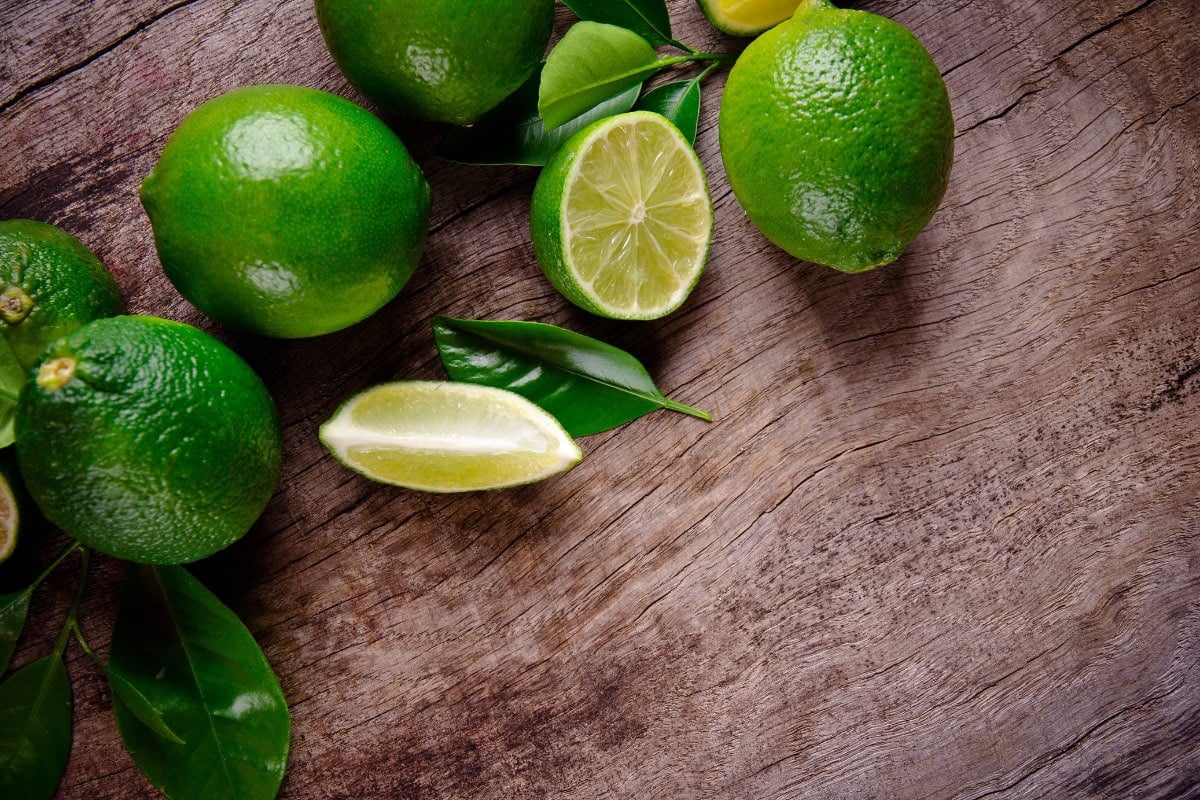
Running out of lime when you’re in the middle of cooking can feel like a kitchen disaster, but don’t panic! Whether you’re making a refreshing Brazilian Lemonade Recipe (Limeade) or preparing Cilantro-Lime Rice, there are plenty of excellent substitutes that can save your dish.
Save This Post!
Lime brings a unique combination of tartness and aromatic oils to recipes, making it essential in everything from cocktails to marinades. Understanding the best alternatives will help you maintain the flavor profile of your favorite dishes even when fresh limes aren’t available.
Why Lime Substitutes Matter in Cooking
Lime juice and zest serve multiple purposes in cooking beyond just adding sourness. The citric acid helps tenderize proteins in marinades, balances sweetness in desserts, and provides the bright acidity that makes dishes so refreshing. When you need a substitute, you want something that can replicate both the acidity level and the fresh, zesty flavor that lime provides.
Different recipes call for various parts of the lime – some require just the juice, others need the zest, and many benefit from both. This means your substitute choice may vary depending on the specific requirements of your recipe.
Best Lime Juice Substitutes
Lemon Juice (1:1 Ratio)
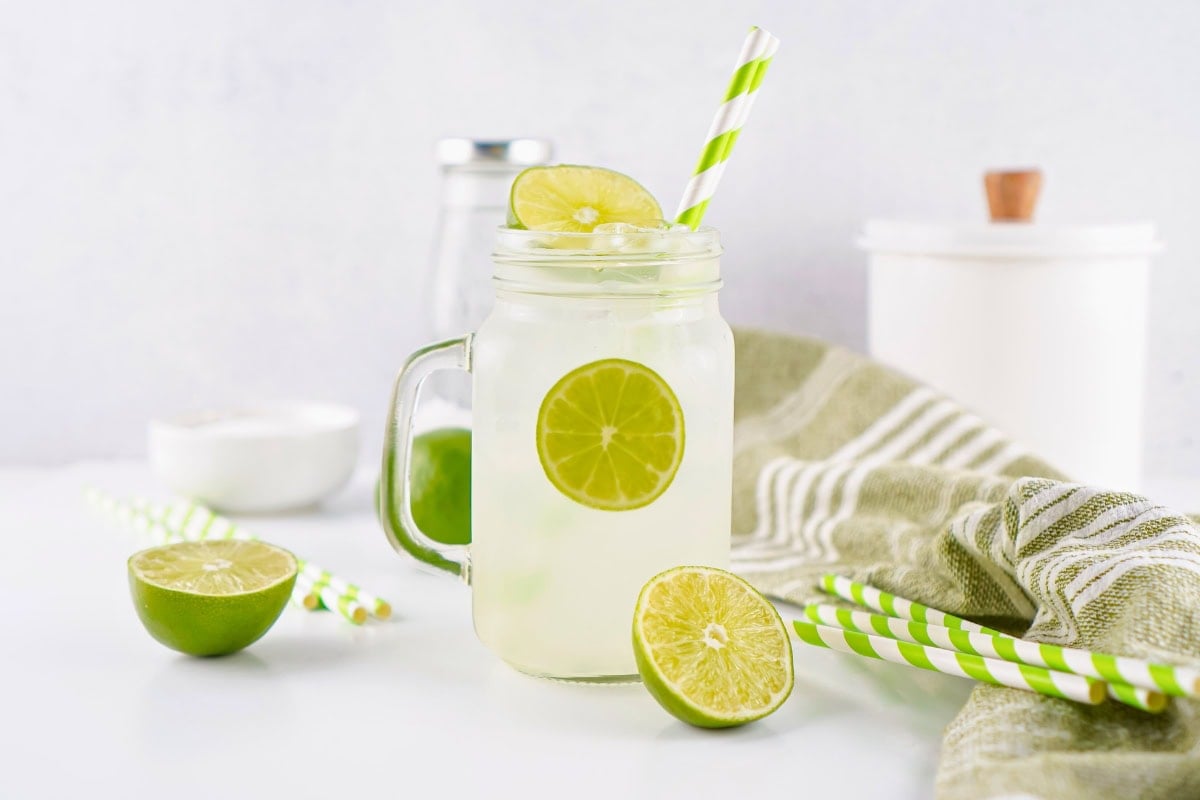
Lemon juice is the most common and effective lime substitute, working particularly well in drinks and marinades. While slightly less tart than lime, it provides similar acidity levels that work perfectly in recipes like Easy Homemade Limeade (Fair Style Limeade). The flavor profile is close enough that most people won’t notice the difference in mixed dishes.
White Wine Vinegar (Use Half the Amount)
This substitute works best in savory applications where you need acidity without citrus flavor. It’s excellent for marinades and salad dressings but should be used sparingly – start with half the amount called for and adjust to taste.
Apple Cider Vinegar (Use Half the Amount)
Similar to white wine vinegar but with a slightly fruitier note, apple cider vinegar can work in recipes where a subtle sweetness won’t interfere with the overall flavor. It’s particularly good in spicy dishes and marinades.
Grapefruit Juice (1:1 Ratio)
For a citrus substitute that’s less common but highly effective, grapefruit juice provides similar acidity with a slightly different flavor profile. It works especially well in cocktails and can add an interesting twist to recipes like Fresh Kiwi & Mint Mojito Cocktail.
Lime Zest Substitutes
Lemon Zest (1:1 Ratio)
The oils in lemon zest are remarkably similar to lime zest, making this the best substitute for recipes that call for grated lime peel. It provides the same aromatic qualities and works perfectly in baked goods and marinades.
Orange Zest (Use Less)
Orange zest is sweeter and less sharp than lime zest, so use about 3/4 the amount called for. It works well in desserts and sweet applications where the different flavor profile can actually enhance the dish.
Lime Extract (Start Small)
If you have lime extract on hand, a few drops can provide the lime flavor you’re missing. Start with 1/4 teaspoon for every tablespoon of lime juice called for in the recipe, and adjust to taste.
Best Substitutes for Specific Recipe Types
In Mexican and Latin Dishes
For authentic Mexican recipes like Authentic Quesabirria Tacos or Fresh Pineapple Salsa With Jalapenos, lemon juice is your best bet. The flavor is close enough to maintain authenticity while providing the necessary acidity to balance spicy and rich flavors.
In Cocktails and Drinks
Cocktails are more forgiving when it comes to citrus substitutions. Recipes like Frozen Fuzzy Navels or Rose Lemonade Cocktail can easily accommodate lemon juice or even grapefruit juice for a unique twist. The key is maintaining the proper acid balance to complement the other ingredients.

In Asian-Inspired Dishes
Asian recipes often rely on lime for both flavor and acid balance. In dishes where lime is crucial to the authentic taste, lemon juice works well. Still, you might also consider adding a small amount of rice vinegar to approximate the more complex flavor profile that lime provides.
In Marinades and Dressings
The acid in lime juice helps break down proteins and meld flavors in marinades. White wine vinegar or lemon juice both work excellently here, providing the necessary acidity to tenderize meat and create the flavor balance you’re looking for.
Substitute for Lime Leaves
Lime leaves (also called kaffir lime leaves) are essential in Thai and Southeast Asian cooking, providing a unique citrusy, floral aroma that’s hard to replicate. These leaves are used in dishes like curries, soups, and stir-fries, where they infuse the dish with their distinctive fragrance.
Fresh Lemon Leaves (1:1 Ratio): If you can find them, fresh lemon leaves are the closest substitute. They provide similar citrus oils and aromatic qualities, though the flavor will be slightly different.
Lime Zest (1 Leaf = 1/4 Teaspoon Zest): Fresh lime zest can approximate some of the citrus flavor that lime leaves provide. Use about 1/4 teaspoon of zest for each leaf called for in the recipe.
Lemon Zest with Bay Leaves: Combine equal parts lemon zest and torn bay leaves for a more complex substitute. The bay leaves add the herbal note while the lemon zest provides the citrus element.
Lemongrass: While different in flavor, lemongrass can provide the aromatic quality that lime leaves bring to Southeast Asian dishes. Use about half the amount and remove before serving.
Key Lime Substitutes
Key limes are smaller, more aromatic, and significantly more tart than regular Persian limes. They’re essential for authentic Key lime pie and other traditional Florida recipes, but can be hard to find outside of specialty stores.
Regular Lime Juice (Use More): Persian lime juice can be used as a substitute, but you’ll need approximately 25% more to achieve the same tartness. For every 1/4 cup of Key lime juice, use about 1/3 cup regular lime juice.
Lemon Juice Plus Lime Zest: Mix three parts fresh lemon juice with 1 part regular lime juice, then add lime zest to boost the lime flavor. This combination gets closer to Key lime’s unique taste profile.
Meyer Lemon Juice: Meyer lemons have a similar floral quality to Key limes and work well in desserts. Use in a 1:1 ratio, but add a pinch of salt to enhance the tartness.
Bottled Key Lime Juice: While fresh is always better, bottled Key lime juice is readily available and works perfectly for recipes like No Fuss No Bake Key Lime Pie when fresh Key limes aren’t available.

Creative Substitution Ideas
Combining Substitutes
Sometimes, the best approach is to combine two substitutes to get closer to lime’s unique flavor. Try mixing lemon juice with a tiny amount of grapefruit juice, or combine lemon juice with a few drops of lime extract if you have it.
Adjusting for Sweetness
Lime tends to be more tart than lemon, so if you’re using lemon juice as a substitute, you might want to add a pinch of salt or reduce any added sweeteners in your recipe slightly to maintain the proper flavor balance.
Using Citric Acid
For recipes where you need serious tartness without additional liquid, food-grade citric acid can provide the sour punch that lime juice would usually contribute. Use it very sparingly – just a pinch can replace the juice of half a lime.
When Substitutes Won’t Work
While substitutes can work in most recipes, there are times when nothing can truly replace fresh lime. Dishes like Jalapeno Cucumber Lemonade rely on the specific aromatic compounds in lime that give the drink its characteristic flavor. In these cases, it’s worth waiting until you can get fresh limes or choosing a different recipe altogether.
Similarly, recipes where lime juice is a major component rather than just a supporting player may not work as well with substitutes. The unique flavor compounds in lime juice contribute significantly to the overall taste profile in these dishes.
Storage Tips for Lime Substitutes
Keep lemon juice, vinegars, and citrus extracts properly stored to ensure they’re ready when you need them as substitutes. Fresh lemon juice should be used within a few days, while bottled lemon juice and vinegars have much longer shelf lives. Citrus extracts and citric acid can last for years when stored in cool, dark places.
Having a well-stocked pantry with these common lime substitutes means you’ll never have to skip making your favorite recipes just because you’re out of fresh limes.
FAQs
Yes, bottled lime juice can serve as a substitute for fresh lime juice, although the flavor won’t be quite as bright. Use it in a 1:1 ratio, but keep in mind that bottled juice lacks the aromatic oils found in fresh lime juice and zest.
Lemon juice is the best substitute for guacamole, using the same amount called for in the recipe. The flavor is close enough that it won’t significantly change the taste of your Copycat Chipotle Guacamole, and it provides the necessary acid to prevent browning.
This isn’t recommended. Vinegar will make cocktails taste harsh and unbalanced. For cocktails, stick with other citrus juices, such as lemon or grapefruit juice, which provide acidity while maintaining the proper flavor profile for mixed drinks.
You can’t directly substitute lime juice for lime zest since zest provides oils and texture that juice doesn’t have. If you only have juice, consider adding a small amount of lemon or lime extract to approximate the flavor that zest would provide.
Yes! Try mixing 1 tablespoon lemon juice with 1/4 teaspoon grapefruit juice and a tiny pinch of salt. This combination can approximate lime’s tartness and complexity better than using just one substitute alone.
