
How to Make Powdered Sugar (Just 2 Ingredients!)

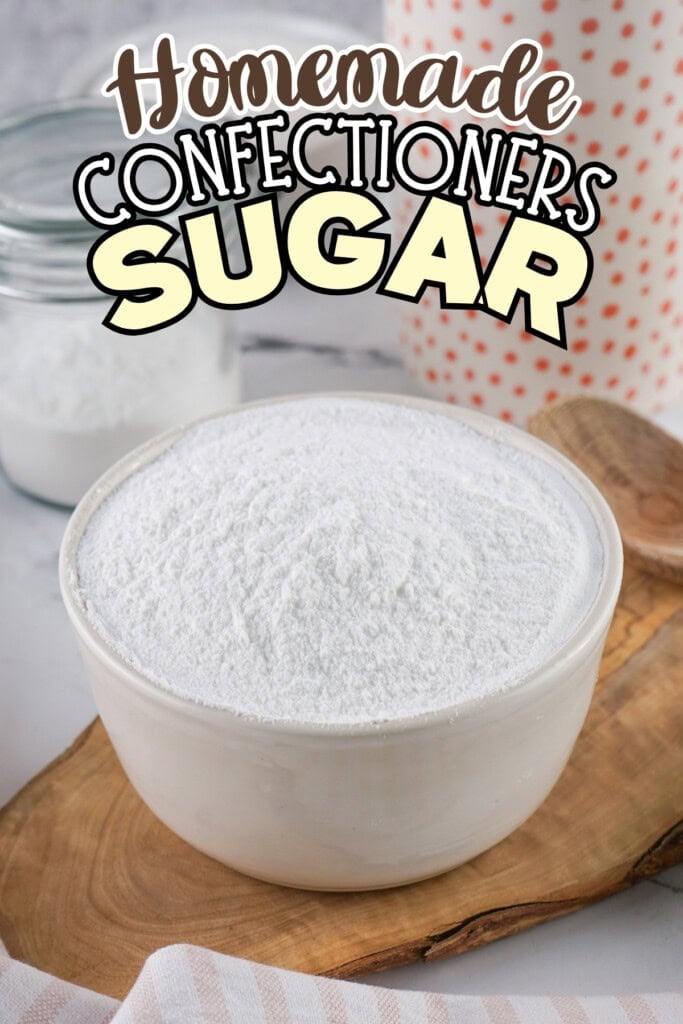
Making homemade powdered sugar is a simple and cost-effective way to ensure you always have this essential baking ingredient on hand. Ready in just 2 minutes, this DIY version uses only two basic ingredients you probably already have in your pantry.

Save This Post!
I can’t tell you how often I run out of powdered sugar when I’m in the middle of making a delicious dessert. It’s always frustrating having to run out to the store just for one ingredient. That’s why knowing how to make your own powdered sugar at home can be a real lifesaver.
Do you love making pantry staples like this at home? If so, you may also enjoy this Homemade Sweetened Condensed Milk or Homemade Bisquick Mix. Both of these are great recipes.
Reasons You’ll Love This Recipe
- Super Easy: It’s incredibly easy and requires only two ingredients you likely already have on hand.
- No Shopping Needed: It’s a perfect solution when you’re in a pinch and don’t have time to go to the store.
- Healthier: Homemade powdered sugar is free from any added preservatives or anti-caking agents.
- Cost-Effective: Making your own saves money in the long run, especially if you bake frequently and use powdered sugar regularly.
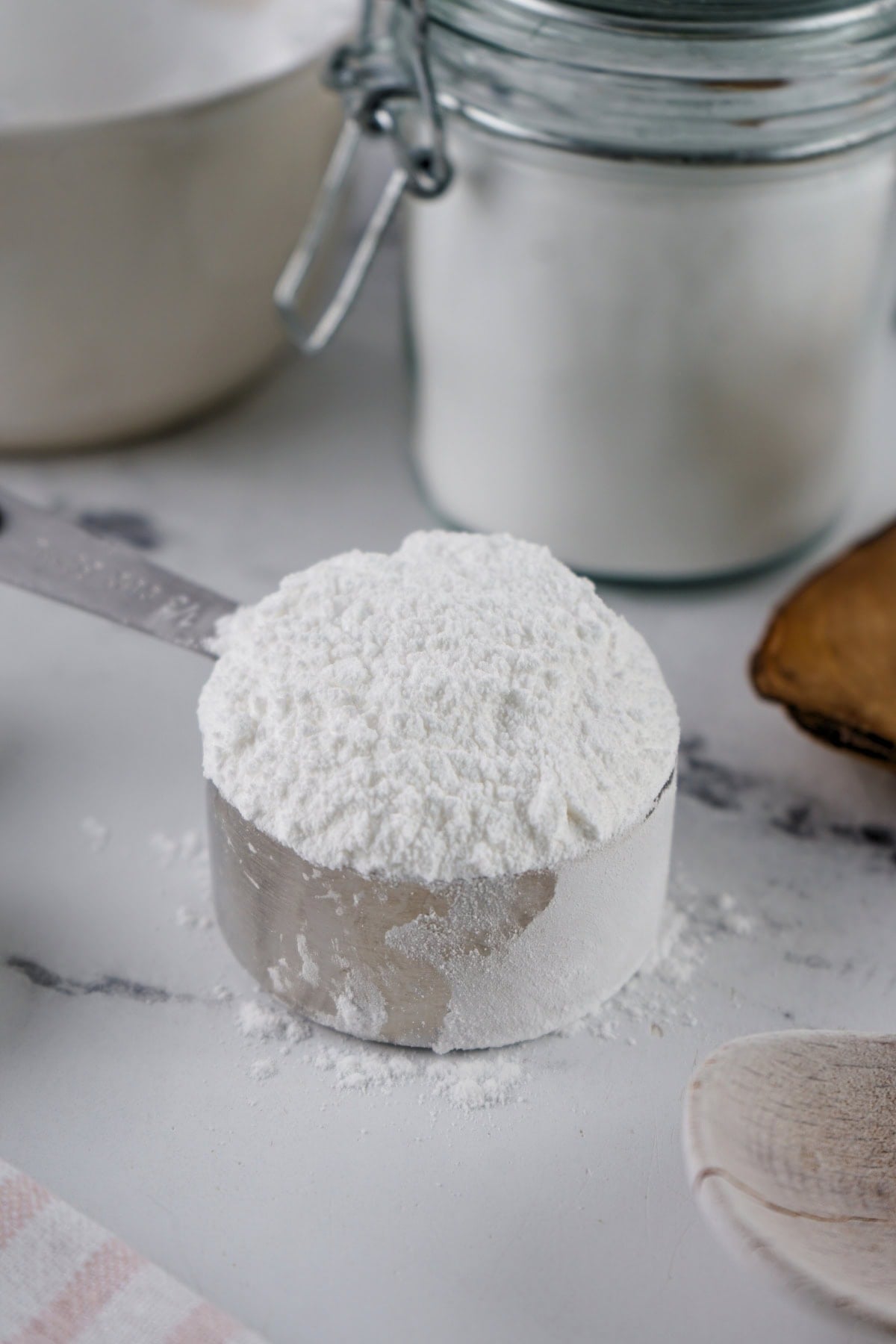
Why Make Your Own Powdered Sugar?
Beyond the obvious convenience of having it available instantly, making your own powdered sugar gives you complete control over the texture and freshness. Store-bought powdered sugar can sit in your pantry for months, potentially going stale or developing an off flavor.
When you make it fresh, you get a finer, more flavorful product that dissolves beautifully into frostings and glazes. You can also customize it by using alternative sugars like coconut sugar or raw cane sugar for unrefined versions. Plus, if you’re making something that requires immediate use, you can skip the cornstarch entirely for a purer sugar flavor.
What is Powdered Sugar?
Powdered sugar, also called confectioners’ sugar or icing sugar, is simply granulated sugar that’s been finely ground into a powder. Commercial versions typically include a small amount of cornstarch to prevent clumping during storage. The ultra-fine texture makes it perfect for recipes that need smooth consistency, like buttercream frosting, royal icing, and glazes.
Recipe Ingredients
See the recipe card below for the full list of ingredients and exact measurements.

Ingredient Notes:
- Sugar: You can use either granulated or caster sugar for this recipe.
- Cornstarch: This is used to prevent clumping and to give the powdered sugar a smoother texture.
Substitutions and Additions
- Arrowroot Powder: A great alternative to cornstarch, especially if you’re looking for a grain-free or paleo-friendly option. Use the same measurement as cornstarch.
- Tapioca Starch: Another good substitute that offers similar anti-clumping properties. This works particularly well if you have corn allergies.
- Potato Starch: This can also replace cornstarch in the same ratio, though it’s less commonly used.
- Flavored Powdered Sugar: For a twist, you can add vanilla bean seeds, cinnamon, or even cocoa powder to create flavored versions of powdered sugar for specialty recipes.
How to Make Homemade Powdered Sugar (step-by-step directions)

Step 1: Add the cornstarch and sugar to a spice grinder.
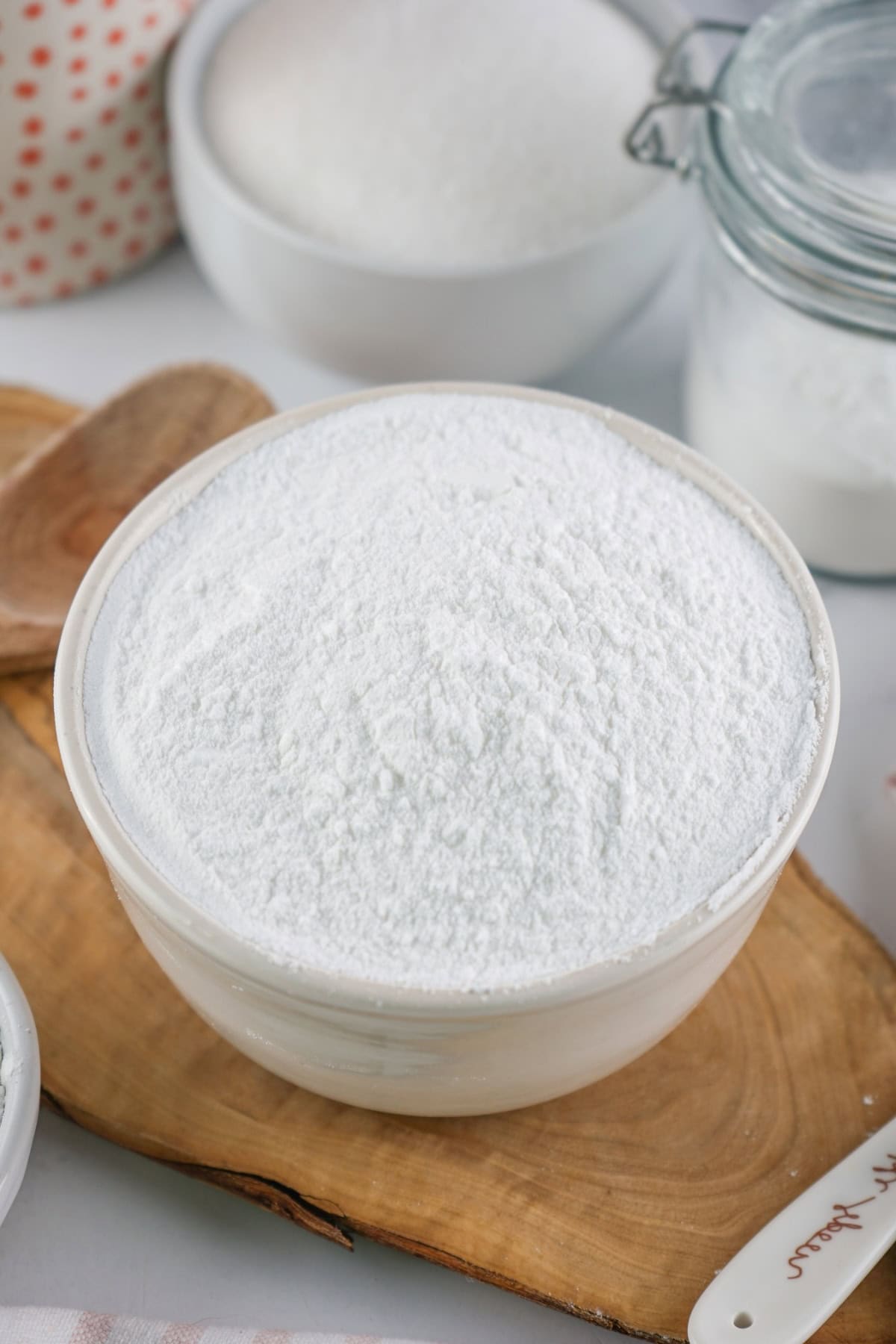
Step 2: Grind until you get a light and powdery dessert.

Best Tools for Making Powdered Sugar
The equipment you use makes a huge difference in the quality of your homemade powdered sugar. Here’s what works best:
Spice Grinder (Recommended) – This is hands-down the best tool for the job. Spice grinders have powerful motors and small containers that keep the sugar in constant contact with the blades, producing the finest, most consistent texture. The only downside is that most spice grinders are small, so you’ll need to work in batches if making more than a cup at a time.
High-Powered Blender – A Vitamix, Blendtec, or similar high-speed blender works beautifully. The key is that the blade needs to spin fast enough to pulverize the sugar into a truly fine powder. Regular countertop blenders with slower motors won’t get the job done. Blending time is typically 30 seconds to 1 minute in a high-powered blender.
Food Processor – Regular food processors usually struggle with this task. The blade doesn’t spin fast enough, and the larger container means the sugar doesn’t stay in contact with the blade consistently. If a food processor is your only option, expect it to take 3-5 minutes and potentially not achieve as fine a texture. You may still end up with a slightly gritty result.
What Doesn’t Work – Standard countertop blenders, immersion blenders, and older food processors typically can’t create fine enough powdered sugar. You’ll end up with something closer to superfine or caster sugar, which won’t work well in frostings and glazes.
Recipe Tips
- Keep It Fresh: Powdered sugar because sugar absorbs moisture, which can ruin it.
- Work In Batches: If your spice grinder is small, just grind the sugar in smaller batches. Afterward, combine everything in a bowl and whisk or sift it to make it super smooth.
- Use The Right Tools: Regular food processors usually can’t make the sugar fine enough, so they’re not the best tool for this job.
- Get The Texture Right: If the sugar still feels rough or gritty, grind it for a little longer or try using a grinder designed for finer results.
Common Problems & Solutions
Why is my powdered sugar gritty? This usually means it hasn’t been ground long enough, or your equipment isn’t powerful enough. Try blending for an additional 30-60 seconds. If it’s still gritty after extended blending, your appliance may not have a strong enough motor. Consider investing in a dedicated spice grinder for best results.
Sugar is clumping during storage – This happens when moisture gets into your container. Make sure you’re storing it in a truly airtight container in a cool, dry place. Adding cornstarch when you make it helps prevent this issue. Never refrigerate or freeze powdered sugar, as this introduces moisture.
My blender gets hot – This is normal when grinding sugar. If your blender starts to overheat, turn it off and let it cool for 5-10 minutes before continuing. Work in smaller batches to reduce strain on the motor.
I don’t have cornstarch – You can make powdered sugar without it! Just use it right away in your recipe. Without cornstarch, the sugar will clump more quickly during storage, so it’s best for immediate use only.
How do I know when it’s done? Rub a small amount between your fingers. It should feel like silk with absolutely no grittiness. You can also sift a bit through a fine-mesh sieve – if it passes through easily, it’s ready.
Storing Tips
- Storage: Powdered sugar can be stored in an airtight container at room temperature for up to 6 months when made with cornstarch. Without cornstarch, use within 1-2 weeks or it will clump.
- Containers: Glass containers with tightly fitted lids work best to ensure the sugar stays dry and fresh. Mason jars are perfect for this purpose.
- Location Matters: Store in a cool, dry pantry away from the stove or any heat sources. Never store near spices with strong odors, as powdered sugar can absorb those flavors.
- Don’t Refrigerate or Freeze: The moisture in refrigerators and freezers will cause your powdered sugar to clump and potentially harden into a solid mass.
- Signs It’s Gone Bad: While sugar doesn’t technically expire, if you notice mold (from moisture exposure) or any pantry pests, discard it immediately. Large, wet clumps are also a sign of improper storage.
How to Use Homemade Powdered Sugar
Your freshly made powdered sugar works perfectly in any recipe calling for confectioners’ sugar. Here are the most popular uses:
- Frostings & Buttercreams – Powdered sugar is the foundation of most frostings. The fine texture dissolves smoothly into butter and cream, creating silky frostings for Chocolate Chip Whoopie Pies, Red Velvet Cake Balls, and countless other desserts.
- Glazes – Mix powdered sugar with milk, cream, or fruit juice to create simple glazes for donuts, sweet breads, and pastries. The sugar dissolves instantly, creating a smooth, pourable glaze.
- Royal Icing – This icing hardens as it dries and is perfect for decorating cookies. It’s the “glue” that holds gingerbread houses together and creates beautiful piped decorations.
- Dusting – Simply sift powdered sugar over finished desserts like Chocolate Banana Icebox Cake, brownies, or pancakes for a professional bakery finish.
- No-Bake Desserts – Powdered sugar blends smoothly into cream cheese mixtures, no-bake cheesecakes, and candy recipes without the grittiness of granulated sugar.

Recipe FAQs
Yes, making your powdered sugar at home is often more cost-effective than purchasing it from the store, especially if you already have granulated sugar and cornstarch on hand.
If your powdered sugar feels gritty, it might need more grinding. Be sure to use a high-powered spice grinder for the best results.
Yes, powdered sugar and icing sugar are essentially the same thing. The terms are used interchangeably in different regions, with “powdered sugar” being more common in the United States and “icing sugar” more widely used in the United Kingdom and other countries.
To keep powdered sugar from going bad, always store it in a cool, dry place away from moisture and strong odors.
You’ll know your powdered sugar is ready when it has a fine, soft texture that feels smooth between your fingers. To test it, you can sift a portion through a fine-mesh sieve; if it passes through effortlessly, it’s good to go!

Homemade Powdered Sugar
Equipment
Ingredients
- 1 Cup White Granulated Sugar
- 1 Tablespoon Cornstarch
Instructions
- Add both ingredients to the spice grinder and grind for 15 seconds or until the mixture has reached the desired texture.
Nutrition Information
Hungry for more?
Follow me on Pinterest and make sure to comment below!
