
Master Wine Pairing with Pork in 10 Minutes (Easy Guide)


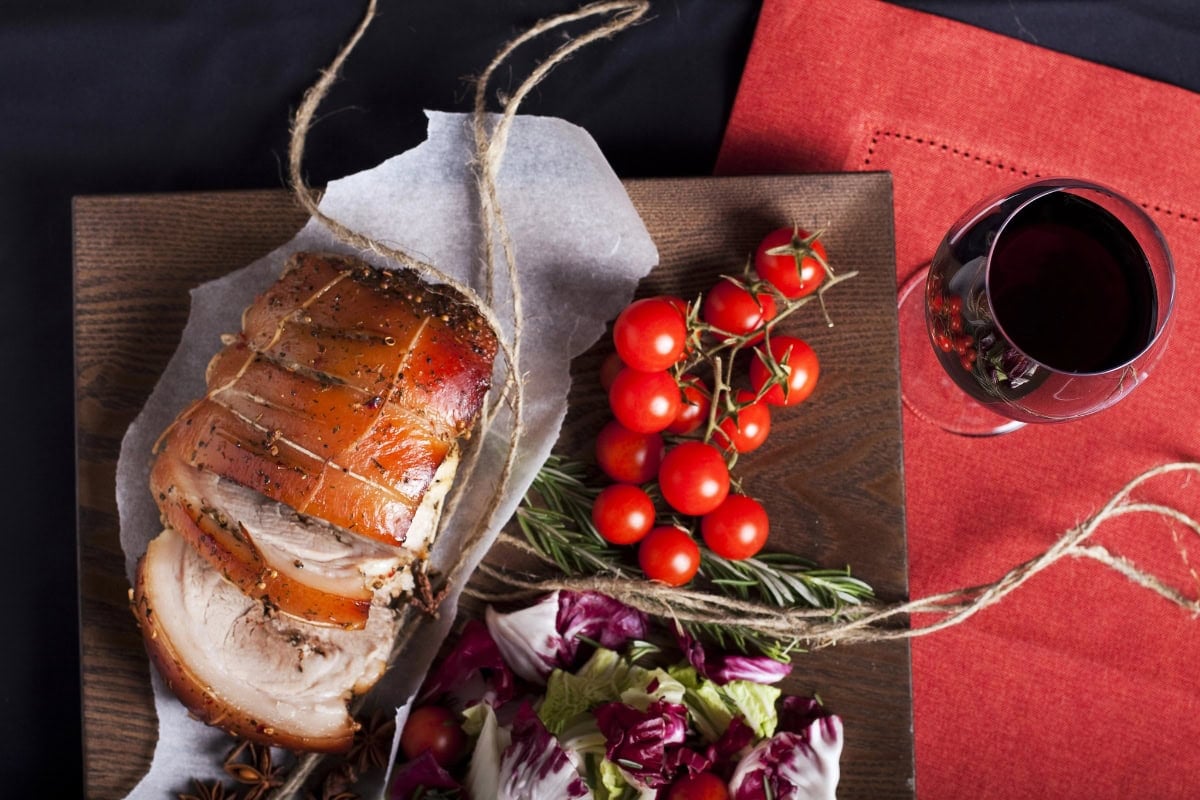
Mastering wine pairing with pork opens up a world of delicious possibilities for your dinner table. Pork is incredibly versatile, ranging from lean and delicate tenderloin to rich, slow-cooked pulled pork, and each preparation calls for its own perfect wine companion.
Save This Post!
The beauty of wine pairing with pork lies in the meat’s ability to work with both white and red wines. Whether you’re cooking up a quick weeknight dinner or preparing an impressive meal for guests, understanding which wines complement different pork preparations will help you create balanced, delicious combinations every time.
Why Wine and Pork Make Such a Great Match
The versatility of pork makes it one of the most wine-friendly proteins you can cook. Unlike beef, which tends to pair best with reds, or fish, which typically calls for whites, pork sits beautifully in the middle, working wonderfully with wines across the spectrum.
Pork’s natural sweetness and moderate fat content mean it can handle everything from crisp, acidic whites to fruit-forward reds. The key is matching the wine’s body and flavor intensity to your cooking method and sauce.

Understanding Pork’s Flavor Profile
Pork has a naturally mild, slightly sweet flavor that’s more delicate than beef but richer than chicken. The fat content varies depending on the cut, with tenderloin being quite lean while shoulder and belly have more marbling. This means different cuts will pair better with different wine styles.
The way you prepare your pork matters just as much as the cut itself. A grilled pork chop needs a different wine than slow-cooked pulled pork with barbecue sauce. The seasonings, sauces, and cooking methods all influence which wine will work best.
Best White Wines for Pork
White wines can be absolutely stellar with pork, especially when you’re working with leaner cuts or lighter preparations. The acidity in white wine cuts through the richness of the meat while complementing its natural sweetness.
Pinot Grigio works beautifully with simply prepared pork dishes. Its crisp, clean profile won’t overpower delicate flavors, making it perfect for herb-crusted tenderloin or basic pan-seared chops.
Riesling is a surprisingly versatile choice that handles both sweet and savory pork preparations. An off-dry Riesling pairs wonderfully with Slow Cooker-Spicy Pineapple Pork Butt Roast, where the wine’s slight sweetness balances the heat while its acidity cuts through the richness. The fruit-forward notes echo the pineapple in the dish without competing with it.

Chardonnay, particularly unoaked or lightly oaked versions, pairs well with richer pork dishes. Try it with Boneless Pork Chops with Creamy Chive Pan Sauce, where the wine’s buttery texture complements the creamy sauce while maintaining enough acidity to keep everything balanced.
Best Red Wines for Pork
Red wines bring out the deeper, richer flavors in pork, especially when you’re working with fattier cuts or bold sauces. The tannins in red wine help cleanse your palate between bites of rich, savory pork.
Pinot Noir is often called the “gateway red” for pork lovers, and for good reason. Its light body, bright acidity, and red fruit flavors make it incredibly food-friendly. This wine shines with Maple-Balsamic Boneless Pork Chops, where the wine’s cherry notes complement the sweet maple glaze while the acidity balances the tangy balsamic reduction.
Zinfandel handles bold, spicy flavors with ease. Its jammy fruit character and peppery finish make it an excellent match for Slow Cooker Hatch Chile (Salsa Verde) Pork. The wine’s fruit-forward profile tames the heat while its robust body stands up to the slow-cooked richness of the dish.

Syrah or Shiraz works wonderfully with grilled or roasted pork. The wine’s smoky, peppery notes enhance charred flavors while its full body matches the intensity of caramelized meat.
Grenache offers a softer approach with its strawberry and spice notes. It’s light enough not to overpower pork but flavorful enough to enhance it, making it a flexible choice for many preparations.
Pairing Wine with BBQ Pork
Barbecue pork presents unique pairing challenges because of the sweet, tangy, often smoky sauces involved. You need a wine that can handle bold flavors without getting lost in the mix.
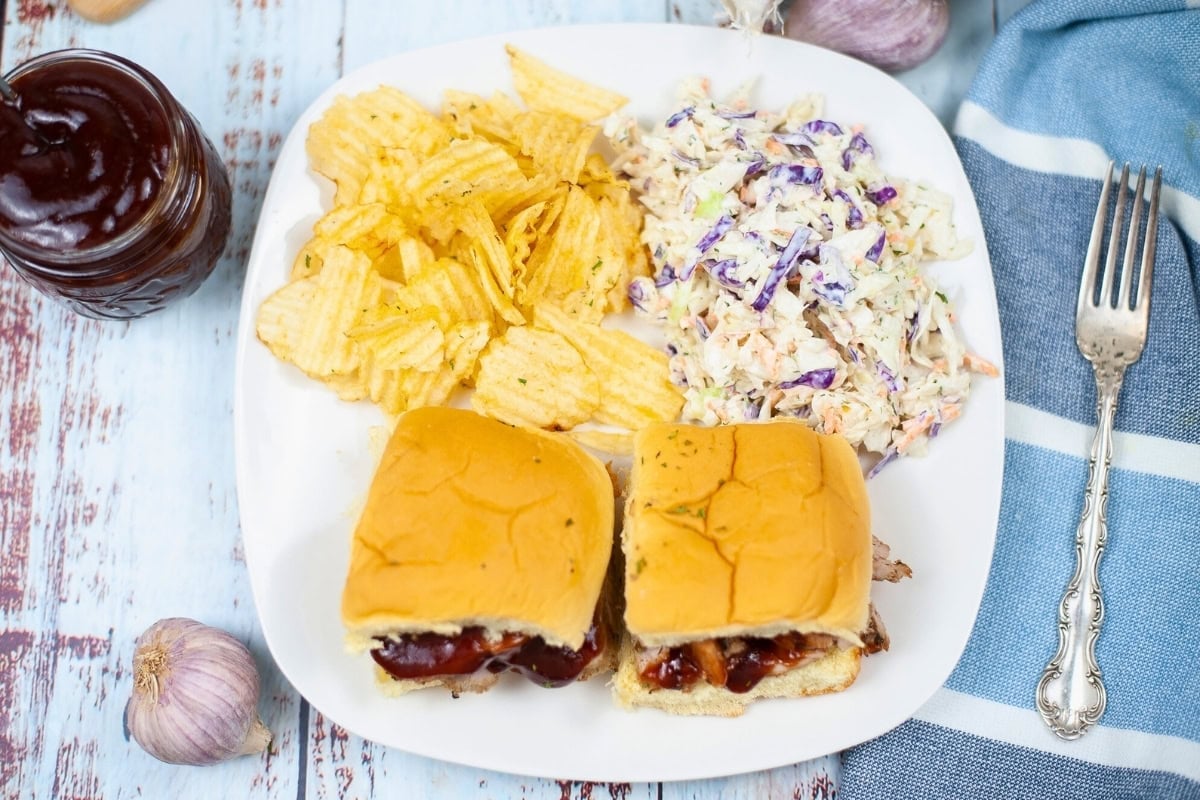
For pulled pork dishes like Easy Air Fryer BBQ Pulled Pork Sandwich, reach for a Zinfandel or Malbec. Both wines have enough fruit sweetness to complement the barbecue sauce while their robust body stands up to the rich, slow-cooked meat. The slight smokiness in Malbec particularly echoes the barbecue flavors.

Instant Pot BBQ Pork Tenderloin also pairs beautifully with these fuller-bodied reds. If you prefer white wine, try an off-dry Gewürztraminer, which can handle the sweet-savory balance of barbecue sauce while adding aromatic complexity.
Wine for Stuffed and Specialty Pork Dishes
Stuffed pork dishes require wines that complement both the meat and the filling. Apple Feta-Stuffed Pork Tenderloin is a perfect example of a dish that needs careful wine consideration.
For this elegant preparation, Pinot Noir is your best friend. The wine’s red fruit notes echo the apple filling while its earthy undertones complement the salty feta. The wine’s medium body won’t overwhelm the tender pork, and its acidity balances the richness of the cheese.
Alternatively, a Chenin Blanc offers a white wine option that brings honeyed apple notes to match the fruit in the stuffing while its bright acidity cuts through the feta’s saltiness.
Regional Wine Pairing Guidelines
Different wine regions produce distinct styles that pair beautifully with pork. Understanding these regional characteristics helps you make smart pairing choices at the wine shop.
French wines offer classic pairings. A Loire Valley Cabernet Franc brings herbaceous notes that work with seasoned pork, while a Burgundy Pinot Noir offers elegance for special preparations.
Spanish wines like Tempranillo or Garnacha have a natural affinity for pork, thanks to Spain’s rich tradition of pork-based cuisine. These wines handle both simple and complex preparations with ease.
Image: Instant Pot BBQ Pork Tenderloin
California wines tend to be fruit-forward and bold, making them excellent choices for heavily sauced or grilled pork dishes.
German Rieslings offer a range from bone-dry to sweet, giving you options for everything from simple roasts to Asian-inspired pork dishes.
Tips for Perfect Pork and Wine Pairing
Match the wine’s weight to your dish’s richness. Lean pork tenderloin calls for lighter wines, while fatty pork shoulder needs something more robust.
Consider your sauce first. A wine that pairs with your sauce will usually work with the pork underneath it. Sweet sauces call for wines with some residual sugar or bold fruit character, while acidic sauces need wines with bright acidity.
Don’t forget about sides. Your Oven Roasted Veggies or Roasted Sweet Potatoes add sweetness to the plate, which might influence your wine choice.
When in doubt, choose wine based on the dominant flavor on your plate. If your pork has a fruit-based sauce or stuffing, pick a wine with complementary fruit notes. If herbs dominate, look for wines with herbal characteristics.
Serve white wines chilled (45-50°F) and light reds slightly cool (55-60°F). Temperature affects how you perceive both acidity and tannins, so proper serving temperature enhances your pairing.
Common Wine Pairing Mistakes to Avoid
Don’t automatically reach for red wine just because you’re serving meat. Pork’s versatility means white wines often work just as well or better, especially with lighter preparations.
Avoid overly tannic wines with lean pork cuts. Tenderloin doesn’t have enough fat to balance aggressive tannins, which can make the wine taste bitter and the meat seem dry.
Be careful with very oaky wines. While some oak is fine, heavily oaked Chardonnays or Cabernets can overpower pork’s delicate flavors and create an unpleasant clash.
Don’t forget about the rest of your meal. If you’re serving Brussels Sprouts with Bacon and Garlic or other sides with strong flavors, factor those into your wine choice.
Budget-Friendly Wine Options
You don’t need to spend a fortune to find excellent wines for pork. Many affordable options deliver outstanding results with proper pairing.
Look for Portuguese reds like Douro table wines, which offer great value and pair beautifully with pork. Spanish Garnacha from Calatayud or Campo de Borja regions provides quality at reasonable prices.
For whites, explore Portuguese Vinho Verde for a crisp, refreshing option, or try Italian Pinot Grigio from the Veneto region for reliable quality without breaking the bank.
Many domestic wines from regions like Washington State or Virginia offer excellent quality-to-price ratios. Don’t overlook these options when shopping for your next pork dinner.
Serving Suggestions
Create a complete meal by pairing your wine-matched pork with complementary sides. Garlic Mashed Potatoes add creamy richness that works with fuller-bodied wines, while Roasted Asparagus brings fresh, green notes that complement lighter wine choices.
For a casual gathering, serve your BBQ pulled pork sandwiches with Homemade Coleslaw and a chilled Zinfandel or Malbec. The wine’s fruit-forward character enhances the barbecue flavors while the coleslaw adds refreshing crunch.
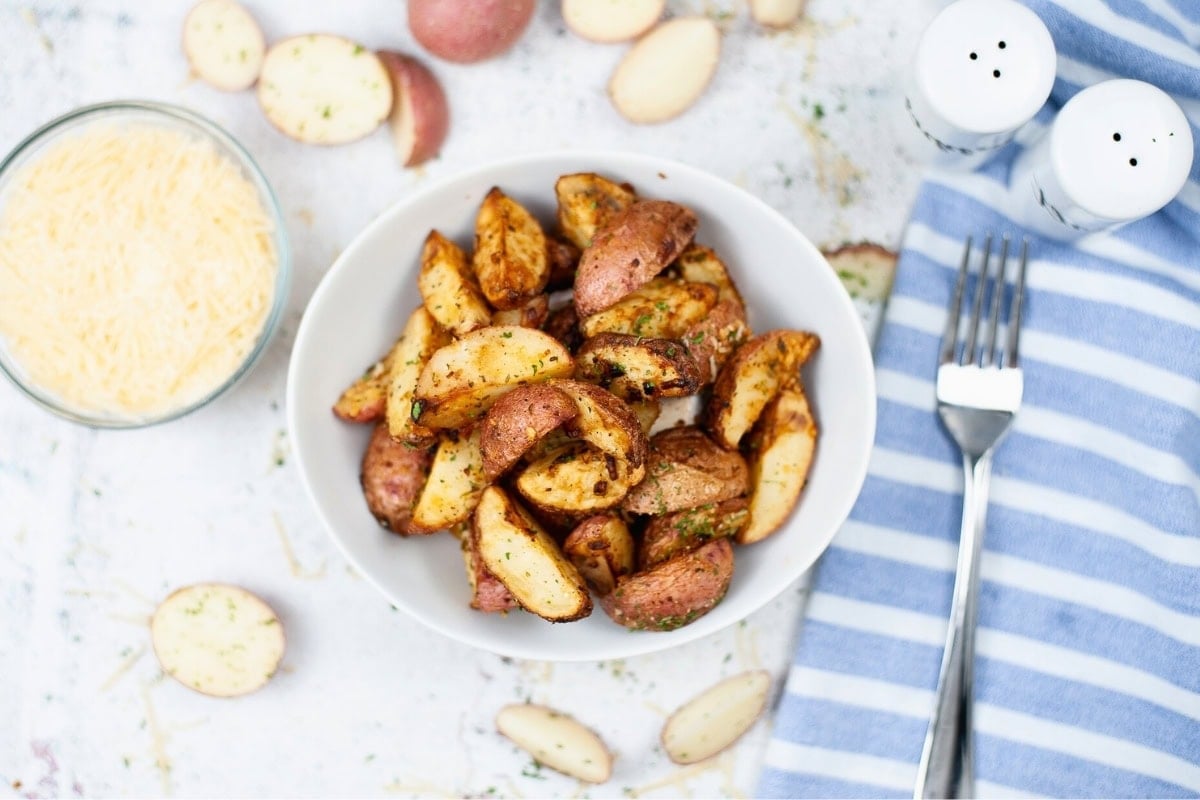
When planning an elegant dinner, Apple Feta-Stuffed Pork Tenderloin pairs beautifully with a quality Pinot Noir. Add Honey Roasted Carrots and Garlic Parmesan Roasted Potatoes for a restaurant-worthy meal at home.
You might also like to find out How Much Meat Per Person is right too!
FAQs
Pinot Noir is often considered the most versatile wine for pork because its medium body, bright acidity, and fruit-forward character work with everything from simple chops to complex preparations. That said, the “best” wine depends on your specific dish and cooking method.
Absolutely! Rosé works beautifully with pork, especially during warmer months or with lighter preparations. A dry rosé from Provence pairs wonderfully with herb-crusted pork or grilled chops, offering the refreshment of white wine with a hint of red wine’s body.
Generally, dry wines work best with savory pork dishes, while off-dry or slightly sweet wines shine with dishes that include fruit components or sweet glazes. The key is matching the wine’s sweetness level to your dish so neither overpowers the other.
Asian-style pork preparations with soy, ginger, or sweet-and-sour flavors pair excellently with Riesling or Gewürztraminer. These aromatic whites have the slight sweetness and acidity needed to balance complex Asian flavors while complementing the pork.
For spicy pork like Hatch chile pork, choose wines with some residual sugar or bold fruit character. Off-dry Riesling, Gewürztraminer, or fruit-forward Zinfandel work well because the fruit and slight sweetness tame the heat while the wine’s other characteristics complement the dish.
