
Easy Kung Pao Chicken Recipe with Peanuts and Chilies


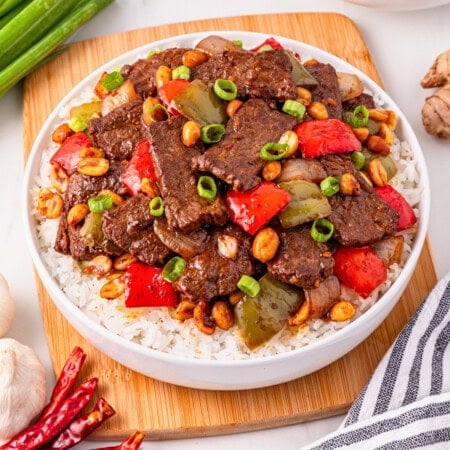
This kung pao beef recipe brings the authentic flavors of Sichuan cuisine right to your kitchen with tender beef, crunchy peanuts, and a perfectly balanced spicy sauce. Ready in just 35 minutes, this traditional dish features golden brown beef strips tossed with colorful bell peppers in a savory sauce that will have your taste buds dancing.

Save This Post!
Unlike many Chinese recipes that require hard-to-find ingredients, this easy kung pao beef uses simple items from your local grocery store while delivering that authentic heat and nutty flavor. It’s become one of our family’s favorite Chinese dishes, and once you try this homemade version, you’ll never want takeout again.
Looking for more delicious Chinese-inspired dishes? Try my Slow Cooker Sweet and Sour Chicken or Caribbean Rasta Pasta for more flavorful dinner ideas. For quick weeknight meals, check out my Instant Pot Chicken Marsala too!
Reasons You’ll Love This Recipe
- Restaurant-Quality at Home: This kung pao sauce delivers the perfect balance of sweet, savory, and spicy flavors that rival your favorite Chinese restaurant, but is made with delicious, healthy ingredients you can easily grab.
- Quick Stir-Fries Made Easy: Ready in just 20 minutes of cooking time, this recipe is perfect for busy weeknights when you want good food fast without compromising on flavor or quality.
- Customizable Heat Level: Whether you prefer less heat or want that traditional zingy sensation, you can easily adjust the red pepper flakes and dried chilies to suit your family’s preferences.
- Versatile and Adaptable: This Szechuan dish works beautifully over white rice, jasmine rice, or even cauliflower rice, and you can easily swap in different vegetables or create a vegetarian version.

What is Kung Pao Beef?
Kung Pao Beef is a beef version of the traditional Chinese kung pao chicken that originated in Sichuan Province. This traditional dish is known for its perfect balance of flavors – sweet, sour, salty, and spicy – along with contrasting textures from tender meat, crisp vegetables, and crunchy nuts.
The dish gets its characteristic heat from dried red chili peppers and Sichuan peppercorns, which provide that signature numbing sensation that Sichuan cuisine is famous for. While the traditional dish uses specific ingredients, this American-made twist makes it accessible while maintaining authentic flavors.
Kung Pao Beef Ingredients
See the recipe card below for the full list of ingredients and exact measurements.

- Flank Steak – Cut into thin slices against the grain for maximum tenderness. This cut works perfectly for stir fries because it cooks quickly and absorbs the kung pao sauce beautifully. You can also substitute with sirloin strips if preferred.
- Soy Sauce – Use light soy sauce for the marinade and sauce base. It provides the essential umami flavor that makes this dish so satisfying. Dark soy sauce can be used for a deeper color if desired.
- Cornstarch – Essential for creating that smooth sauce consistency and helping the marinade adhere to the beef. It also helps thicken the final sauce to the perfect coating texture.
- Brown Sugar – Balances the salty and spicy elements while adding that subtle sweetness that makes kung pao recipes so addictive. It also helps create beautiful caramelization during the cooking process.
- Rice Vinegar – Provides the tangy element that brightens the entire dish. Chinese black vinegar is traditional, but rice vinegar works perfectly and is easier to find at most grocery stores.
- Sesame Oil – Adds that distinctive nutty flavor and aromatic quality that’s essential in Chinese cuisine. A little goes a long way, so don’t skip this ingredient.
- Bell Peppers – Both red bell pepper and green bell peppers add crunch, color, and sweetness. Cut them into small, uniform pieces for even cooking and beautiful presentation.
- Garlic and Ginger – Fresh minced garlic and ginger create the aromatic base that’s essential in authentic Szechuan cooking. Don’t substitute with powdered versions.
- Dry Roasted Peanuts – These provide the signature crunch and nutty flavor. Lightly salted peanuts work best, but you can substitute with cashews if preferred.
- Dried Red Chilies – These create the authentic heat and visual appeal. Remove seeds for less heat, or leave them in if you want that traditional spicy kick.
Substitutions and Additions
- Sichuan Peppercorns – Add one teaspoon of Szechuan peppercorns or Sichuan peppercorn powder for that authentic mouth-numbing sensation
- Additional Vegetables – Try snow peas, snap peas, green beans, or kung pao Brussels sprouts for different textures and flavors
- Protein Swaps – Make kung pao shrimp or even a vegetarian version using extra-firm tofu cut into cubes
- Sauce Variations – Add one tablespoon oyster sauce or hoisin sauce for deeper flavor, or try a splash of cooking sherry
- Vegetable Substitutes – Use spring onions cut into long strips instead of regular onions, or add mushrooms for earthiness
How to Make Easy Kung Pao Beef (Step-by-Step Directions)

STEP 1. Start by slicing your flank steak into thin strips, cutting against the grain for maximum tenderness. (Photo 1)
STEP 2. In a small bowl, whisk together soy sauce and cornstarch until completely dissolved. Add brown sugar, rice vinegar, and sesame oil, whisking until well combined. Reserve 2 tablespoons for marinating the beef and set the rest aside for the final sauce. (Photos 2, 3 & 4)

STEP 3. Marinate the beef strips with the reserved 2 tablespoons of sauce for 15 minutes at room temperature. (Photo 5) Meanwhile, add water to the remaining sauce ingredients and stir until smooth. (Photo 6)

STEP 4. Heat your large skillet or large wok over medium-high heat with a tablespoon of oil. Sauté the bell peppers and onions for 3-5 minutes until they begin to soften, then add garlic and ginger for 1-2 minutes until fragrant. Transfer to a large bowl. (Photos 7 & 8)

STEP 5. In the same pan over medium-high heat, sear the marinated beef strips until golden brown, about 2-3 minutes per side. Work in batches to avoid overcrowding, which would steam rather than sear the meat. (Photo 9)
STEP 6. Add peanuts and dried red chilies to the skillet, stirring constantly for 30 seconds to 1 minute until fragrant. Return the beef and vegetables to the pan, pour the sauce over everything, and add red pepper flakes to taste. Reduce heat to medium and let everything simmer until the sauce thickens, about 3-4 minutes. The sauce should coat everything beautifully without being too thick. (Photos 10, 11 & 12)

Recipe Tips
- Cut Against the Grain – Always slice your beef against the grain for the most tender results in stir-fries
- High Heat is Key – Keep your heat at medium-high to achieve that perfect sear and prevent the vegetables from becoming mushy
- Don’t Overcrowd – Cook in batches if necessary to ensure everything gets properly seared rather than steamed
- Taste and Adjust – Start with less heat and add more red pepper flakes at the end if needed – you can always add more spice
- Prep Everything First – Have all ingredients ready before you start cooking, as this dish comes together very quickly
Storing Tips
- Storage: Allow the kung pao beef to cool completely before storing in an airtight container to prevent condensation and maintain the best texture.
- Refrigerator: Store delicious leftovers in the fridge for up to 3 days. The flavors actually develop more over time, making it even tastier the next day.
- Freezing: While best enjoyed fresh, you can freeze portions for up to 2 months in freezer-safe containers. Thaw overnight in the refrigerator before reheating.
- Reheating: Reheat gently in a skillet over medium heat, adding a splash of water or chicken broth if the sauce seems too thick. Microwave reheating works, but may make the vegetables softer.
Serving Suggestions
This spicy Chinese food pairs perfectly with steamed white rice, jasmine rice, or even cauliflower rice for a lower-carb option. You can also serve it over fried rice or chow mein noodles for a heartier meal.
For a complete Chinese feast, pair with my Easy Homemade Garlic Bread or serve alongside other stir-fries. Try it with Broccoli Cheese Soup for a fusion meal, or keep it traditional with a side of rice and some Fresh Pineapple Salsa as extra garnish.

Recipe FAQs
Absolutely! You can substitute cashews for a different nutty flavor, or omit nuts entirely. Water chestnuts make a great crunchy substitute since they’re actually an aquatic vegetable, not a tree nut, making this dish safe for those with nut allergies.
While both are popular Chinese-American dishes, kung pao beef features the characteristic sweet-sour-spicy balance with peanuts and dried chilies, while Mongolian beef is typically sweeter and served with scallions and onions without the Sichuan elements.
Yes! Sirloin steak, top sirloin, or even round steak work well. The key is to slice thinly against the grain and not overcook, as these quick stir-fries work best with tender cuts.
The spice level is moderate with the given measurements. You can reduce heat by removing seeds from the dried chilies and using less red pepper flakes, or increase it by adding more chilies or even some hot oil at the end.
Traditional kung pao uses bell peppers, but you can add broccoli, snow peas, snap peas, mushrooms, or zucchini. Just adjust cooking times accordingly – harder vegetables need more time, while delicate ones should be added last.
Need More Better-Than-Takeout Recipes? Try These:
Easy Kung Pao Beef
Equipment
- Skillet Large
Ingredients
- 1.75 pounds flank steak sliced into ¼-inch thick strips
- ¼ cup soy sauce
- 3 teaspoons cornstarch
- 3 tablespoons brown sugar
- 2 tablespoon rice vinegar
- 1 tablespoon sesame oil
- ⅓ cup water
- 1-2 tablespoons vegetable oil for frying
- 1 red bell pepper deseeded and cut into small cubes
- 1 green bell pepper deseeded and cut into small cubes
- ½ medium onion cut into cubes
- 3-4 cloves garlic minced
- 2 teaspoons ginger minced or grated
- ¾ cup dry roasted peanut halves I used lightly salted
- 5 dried red chili peppers deseeded (you can leave some seeds for more spice, if desired)
- 1 teaspoon red pepper flakes or to desired spice
- Sliced green onions for garnish
Instructions
- Start by slicing your flank steak into thin strips, cutting against the grain for maximum tenderness.
- In a small bowl, whisk together soy sauce and cornstarch until completely dissolved. Add brown sugar, rice vinegar, and sesame oil, whisking until well combined. Reserve 2 tablespoons for marinating the beef and set the rest aside for the final sauce.
- Marinate the beef strips with the reserved 2 tablespoons of sauce for 15 minutes at room temperature. Meanwhile, add water to the remaining sauce ingredients and stir until smooth.
- Heat your large skillet or large wok over medium-high heat with a tablespoon of oil. Sauté the bell peppers and onions for 3-5 minutes until they begin to soften, then add garlic and ginger for 1-2 minutes until fragrant. Transfer to a large bowl.
- In the same pan over medium-high heat, sear the marinated beef strips until golden brown, about 2-3 minutes per side. Work in batches to avoid overcrowding, which would steam rather than sear the meat.
- Add peanuts and dried red chilies to the skillet, stirring constantly for 30 seconds to 1 minute until fragrant. Return the beef and vegetables to the pan, pour the sauce over everything, and add red pepper flakes to taste. Reduce heat to medium and let everything simmer until the sauce thickens, about 3-4 minutes. The sauce should coat everything beautifully without being too thick.
Notes
- Cut Against the Grain – Always slice your beef against the grain for the most tender results in stir-fries
- High Heat is Key – Keep your heat at medium-high to achieve that perfect sear and prevent the vegetables from becoming mushy
- Don’t Overcrowd – Cook in batches if necessary to ensure everything gets properly seared rather than steamed
- Taste and Adjust – Start with less heat and add more red pepper flakes at the end if needed – you can always add more spice
- Prep Everything First – Have all ingredients ready before you start cooking, as this dish comes together very quickly
Nutrition Information
Hungry for more?
Follow me on Pinterest and make sure to comment below!
