
The Ultimate Guide to the Best Meal Prep Storage Containers

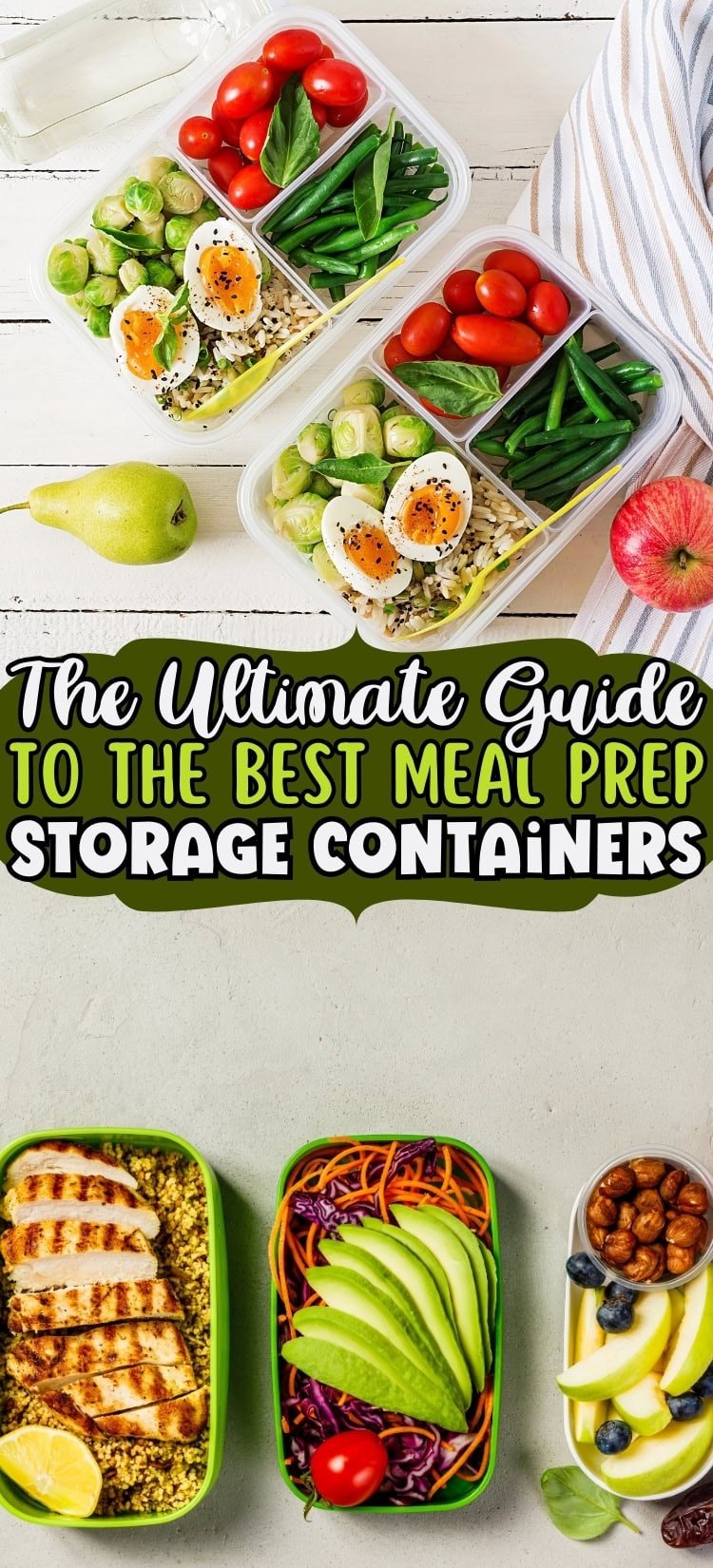
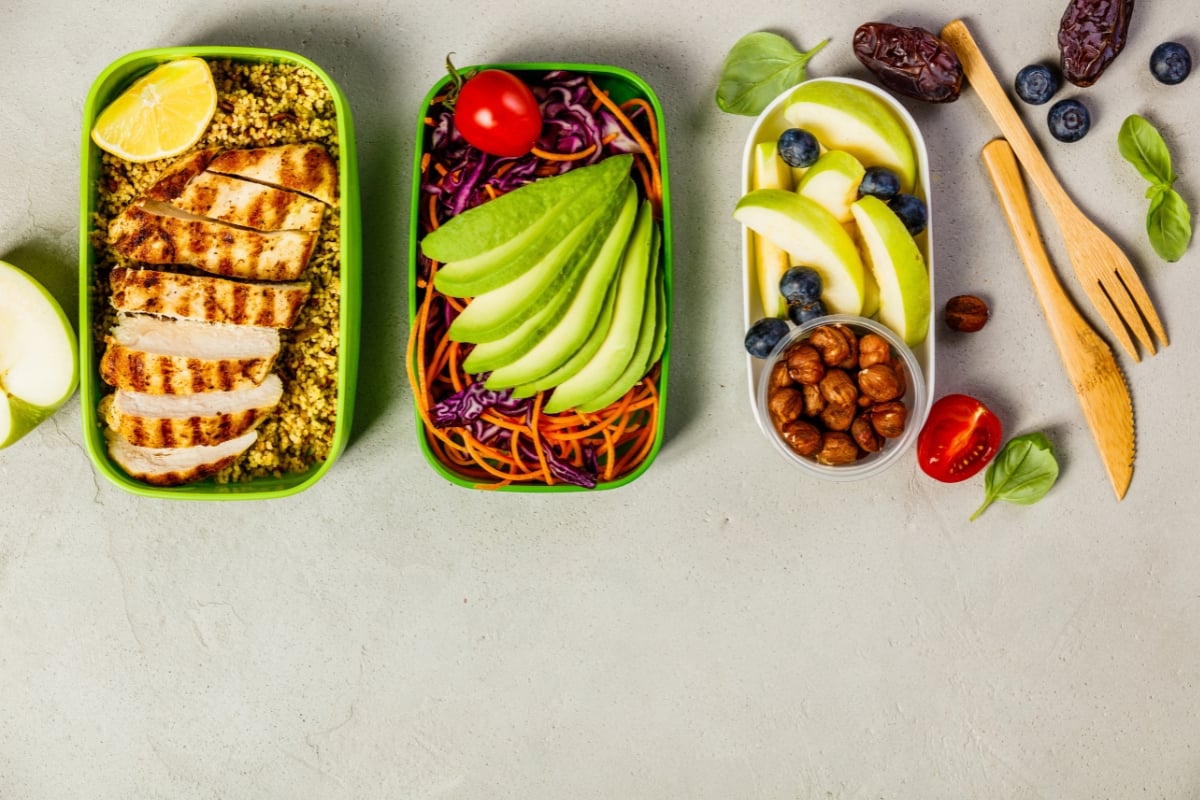
Meal prep has become a game-changer for busy people looking to eat healthier and save time throughout the week. The foundation of successful meal prep starts with having the right meal prep storage containers that keep your carefully prepared dishes fresh and ready to enjoy.
Save This Post!
Finding the best meal prep containers can make all the difference between soggy salads and crisp veggies or between leaked dressings and perfectly contained sauces. The choices can seem overwhelming, from glass food storage containers with secure lids to plastic options designed for portability.
This guide will walk you through everything you need to know about selecting containers that fit your specific needs, lifestyle, and budget.
Why Quality Meal Prep Containers Matter
- Time-saving efficiency: Good meal prep containers allow you to prepare multiple meals at once, storing them properly so they’re ready to grab throughout the week. This dramatically reduces daily cooking time and helps maintain your healthy eating habits even during busy days.
- Food freshness preservation: The best food storage container options have airtight lids that keep oxygen out and freshness in. Quality seals help your prepared foods stay tasty longer, reducing food waste and ensuring your Thursday lunch is just as delicious as it was on Sunday.
- Organization simplified: A coordinated storage container set brings order to your refrigerator and makes meal planning visual. When containers stack neatly and are transparent, you can easily see what you have available without opening multiple containers.
- Cost-effective in the long run: While quality containers might cost more upfront than disposable options, durable glass or high-grade plastic containers will save money over time. They eliminate the need for constant replacements and reduce reliance on take-out when meal plans fall through.
Glass vs. Plastic Containers: Which Should You Choose?
Glass Food Storage Containers
Glass meal prep containers have surged in popularity for good reasons. Made from durable materials like borosilicate glass, these containers resist staining and won’t absorb odors from strong-smelling foods. Glass containers are typically oven-safe (without their plastic lids), making reheating convenient without transferring food to another dish.

Many glass food storage container sets feature smart seal glass technology with silicone gaskets that create an impressive airtight and leakproof seal. Brands like Pyrex and OXO Good Grips Smart Seal offer excellent options that combine durability with practical design.
The downside of glass is weight – these containers are significantly heavier than plastic alternatives. They’re also more prone to breaking if dropped, though tempered glass varieties are more resistant to damage.
Plastic Meal Prep Containers
Plastic containers remain popular for their lightweight design and affordability. Modern plastic food storage options like Rubbermaid Brilliance food storage containers have addressed many concerns about older plastic products by using BPA-free materials and designing containers that resist staining.
For meal preppers who commute or need to carry multiple containers, plastic meal prep container sets offer practical benefits. They won’t add significant weight to your bag and won’t shatter if accidentally dropped.
High-quality plastic containers with airtight lids can keep your food fresh almost as well as glass alternatives. However, they may retain odors over time, especially after storing strongly flavored foods like curries.
Essential Features to Look for in Meal Prep Containers
Airtight Seals and Leak-proof Design
Perhaps the most critical feature in any storage container is how well the lid performs. Containers with airtight lids prevent air from reaching your food, extending freshness significantly. Look for containers with silicone gaskets or smart-lock mechanisms that create a truly secure seal.
Leak-proof food storage prevents disastrous spills in lunch bags or refrigerators. This feature is especially important if you store soups, stews, or dishes with sauces. Test your containers’ leak resistance by filling them with water, sealing them, and turning them upside down (over a sink first, of course!).
Size Variety and Nesting Capability
Effective meal prep requires containers of different sizes – from small options for salad dressings and snacks to larger containers for main dishes. Sets that include both round containers and rectangular containers give you versatility for different food types.
Containers that nest when empty save valuable cabinet space. Look for storage container sets specifically designed to stack efficiently when not in use. Some brands offer containers where lids and containers can be nested separately, maximizing space efficiency.
Material Safety and Durability
Whether you choose glass or plastic, ensure your containers are made from food-grade materials. For plastic options, verify they’re BPA-free and ideally free from other concerning chemicals like phthalates.
Durability matters for long-term use. Borosilicate glass handles temperature changes better than regular glass. For plastic, look for thick, high-quality construction that won’t warp when holding hot food or during dishwasher cycles.
Specialized Meal Prep Container Options
Compartmentalized Containers
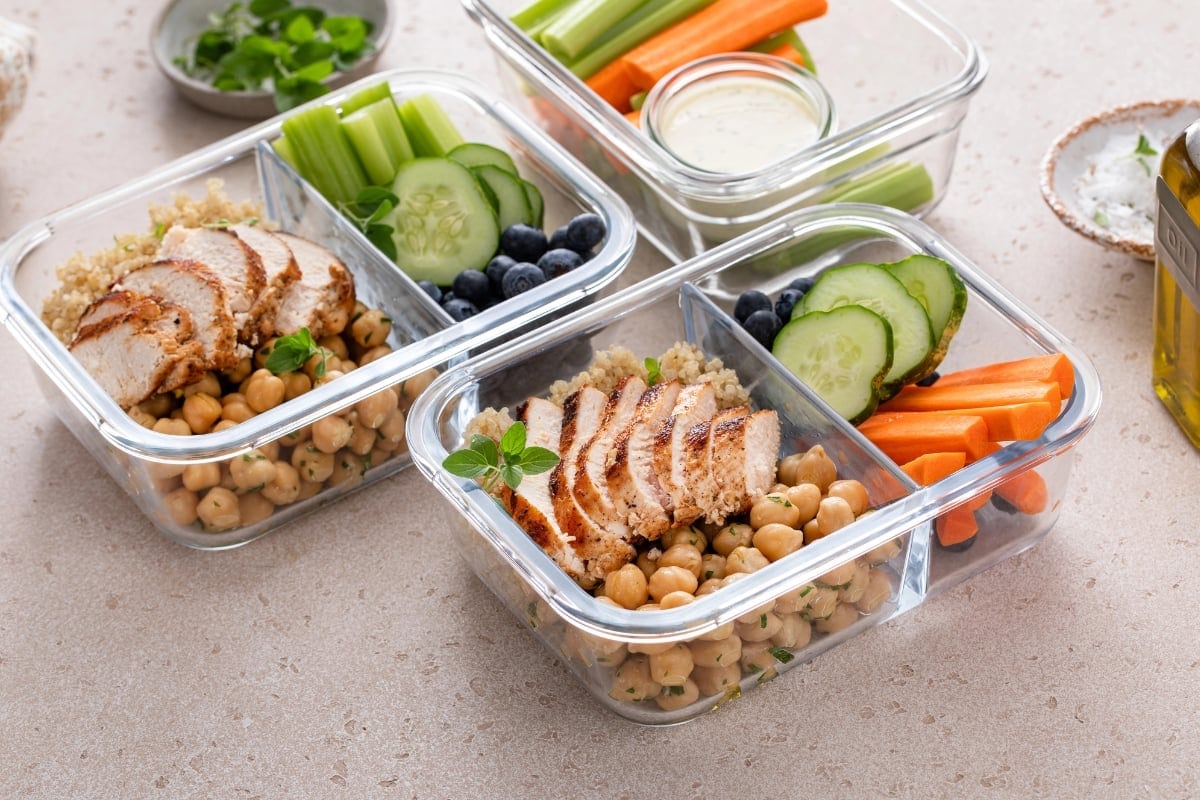
Bento-style containers with multiple compartments keep different foods separate, preventing flavors from mixing and maintaining textures. These are perfect for preparing lunches with main dishes and sides in one convenient package.
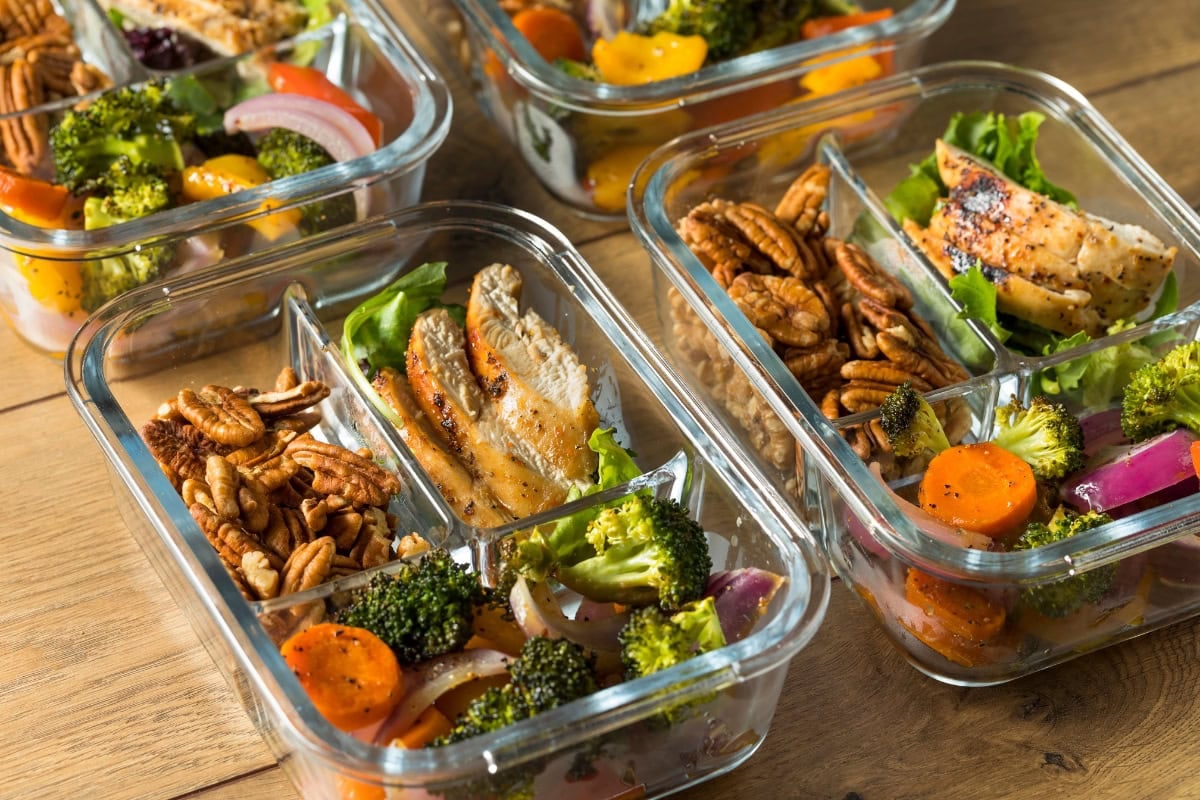
These containers are especially useful for meal prepped lunches where you want to keep crisp vegetables separate from moist main dishes until eating time. Many options feature removable dividers for customizable organization.
Collapsible Food Storage Containers
If kitchen space is limited, consider collapsible food storage containers that flatten when not in use. Made from silicone or similar flexible materials, these space-saving containers expand to hold your food and compress when empty.
While convenient for storage, collapsible containers may not offer the same level of leak protection as rigid alternatives. They work best for solid foods rather than soups or very liquid-heavy meals.
Stainless Steel Food Containers
Stainless steel containers offer an alternative to both glass and plastic. These durable, lightweight containers won’t break like glass or potentially leach chemicals like some plastic options might.
While stainless steel containers excel at durability, they aren’t transparent, so you can’t see contents without opening the lid. They’re also typically not microwave-safe, requiring food transfer before heating.
Caring for Your Meal Prep Containers
Proper Cleaning Techniques
Most containers are dishwasher safe, but check manufacturer guidelines first. Place plastic lids on the top rack to prevent warping from the dishwasher’s heating element. For stubborn stains or odors, a paste of baking soda and water applied before washing can work wonders.
Hand washing occasionally extends container life, especially for plastic lids with rubber seals. Ensure containers and lids are completely dry before storing to prevent mold growth. Air-drying components separately ensures no moisture gets trapped between the container and lid.
Extending Container Lifespan
Even the best meal prep containers need proper care to last. Avoid using metal utensils on plastic containers to prevent scratching surfaces where bacteria could collect. For glass containers, avoid extreme temperature changes that could crack the glass – don’t transfer directly from freezer to hot oven.
Replace containers when you notice damage to seals, warping, or deep scratches that might harbor bacteria. With proper care, quality glass containers can last for many years, while good plastic containers might need replacement every few years with regular use.

Best Practices for Using Meal Prep Containers
Food Safety Guidelines
When using containers for meal prep, always cool hot food before sealing to prevent condensation that could lead to sogginess. Leave about half an inch of space at the top of containers when freezing foods, as they expand when frozen.
Label containers with preparation dates using masking tape or erasable labels. Most prepared foods should be consumed within 3-4 days when refrigerated. Always reheat previously cooked foods to the proper temperature before consuming for food safety.
Organization Systems
Create an efficient rotation system in your refrigerator, placing newly prepared containers at the back and moving older ones forward to use first. This “first in, first out” approach ensures nothing gets forgotten.
Consider color-coding containers for different family members or meal types. Some meal preppers dedicate specific container colors to make ahead breakfast, lunch, and dinner to quickly identify meals during busy mornings.
Budget-Friendly Options vs. Premium Containers
You don’t need to break the bank for effective meal prep storage. While premium sets from brands like OXO Good Grips Smart Seal glass food storage offer excellent features, more affordable options can still perform well for basic needs.
When working with a limited budget, prioritize getting fewer high-quality containers rather than many low-quality ones. Start with a small set of versatile sizes and expand your collection gradually as your meal prep routine develops.
Eco-Friendly Alternatives
Beyond traditional containers, consider reusable food storage bags made from silicone or other washable materials. These flexible options take up minimal space and are perfect for snacks or sandwiches.
For truly sustainable food storage, consider repurposing glass jars from purchased foods. These make excellent containers for overnight oats, layered salads, or homemade dressings and work particularly well for foods that won’t need microwave reheating.
FAQs About Meal Prep Containers
For individual meal prep, start with 7-10 containers in various sizes to cover a week of lunches and dinners. If you’re preparing for a family, you’ll want at least 4-5 containers per person. Having extras allows for food storage while some containers are being used or washed.
Glass containers typically last longer, don’t absorb odors or stains, and are safer for heating foods. If you can manage the extra weight and handle them carefully, glass containers are often worth the investment for long-term meal prep. However, quality BPA-free plastic containers are perfectly suitable if you prefer lightweight options.
For foods that release moisture, consider containers with elevated platforms or separate compartments. Alternatively, place a folded paper towel in the container to absorb excess moisture. Always store wet ingredients (like salad dressing) separately until ready to eat.
For liquid-heavy meals, choose containers with exceptionally secure seals and store them upright in the refrigerator. To prevent leaks during transport, consider wrapping the sealed container in plastic wrap or placing it in a zip-top bag for an extra layer of protection.
To eliminate stubborn odors, try soaking containers in a solution of white vinegar and warm water for several hours. Alternatively, a paste of baking soda and water left overnight can absorb odors. Sunlight exposure for a few hours can also help eliminate persistent smells from plastic containers.
