Homemade Baking Powder

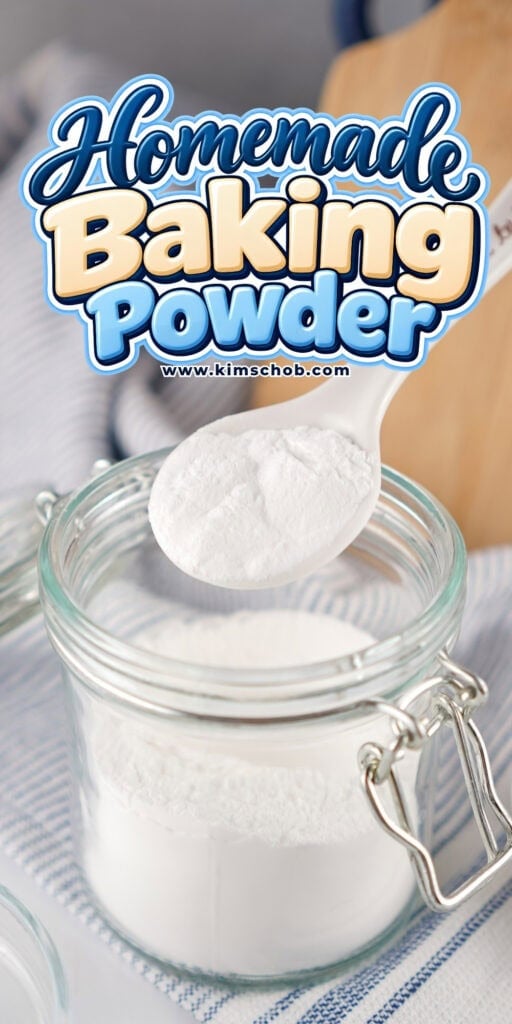
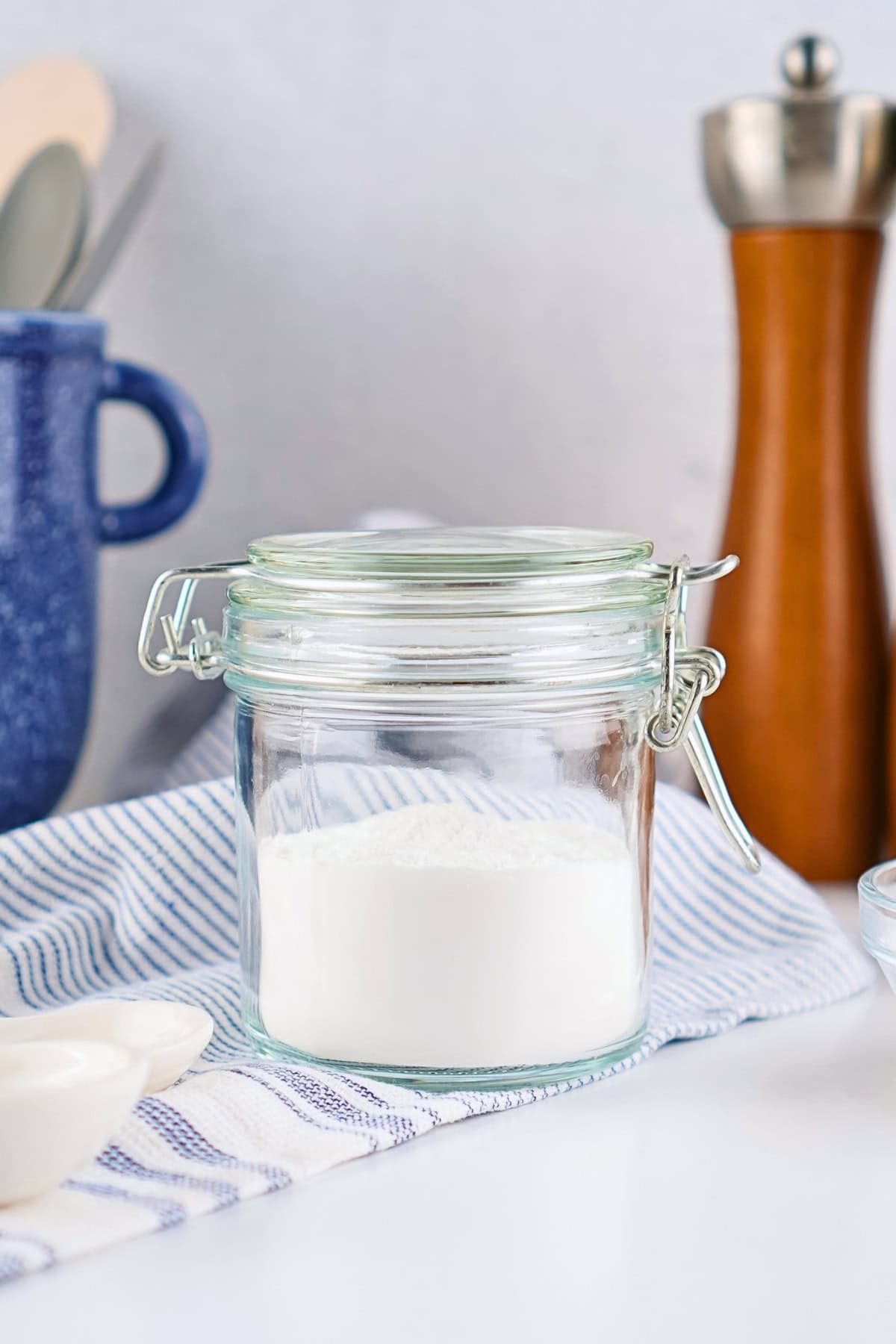
Homemade Baking Powder is a quick pantry substitute that helps cakes, biscuits, and muffins rise. It takes just two minutes to mix when you discover your baking powder container is empty. Follow this simple recipe, plus storage tips to keep your mixture dry and ready for baking.
Save This Post!
Best Homemade Baking Powder Recipe You’ll Ever Make
This recipe uses a clear 2:1 ratio of cream of tartar to baking soda. Cream of tartar provides the acid needed for baking soda to release gas and help baked goods rise. Thorough mixing distributes both ingredients evenly, giving each spoonful a consistent blend.
I recommend including the optional cornstarch if you plan to keep a batch in your pantry. It helps absorb moisture and reduces caking, making the powder easier to measure. You can also make a smaller batch using the same proportions when you only need a little.
If you enjoy making pantry staples, try my homemade powdered sugar next. My homemade tomato paste and white gravy mix are handy kitchen basics, too.
Ingredients
See the recipe card below for the full ingredient list and exact measurements.
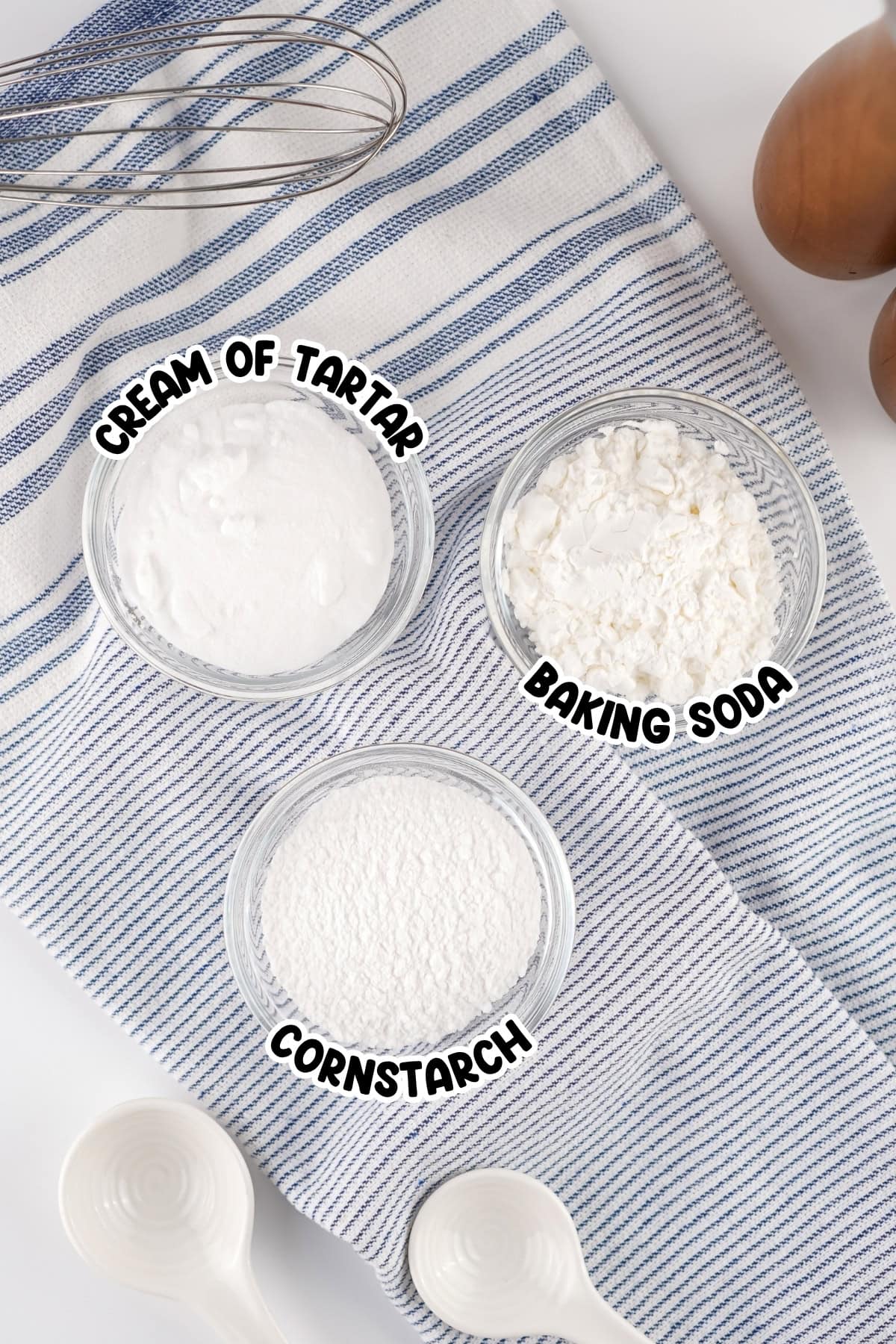
- Cream of tartar: Use 4 tablespoons. This dry acid reacts with baking soda when liquid is added.
- Baking soda: Use 2 tablespoons. It supplies the gas that helps your batter rise when combined with the acid and moisture.
- Cornstarch: Add 2 tablespoons if desired. It helps keep the mixture dry and reduces clumping during storage.
Substitutions and Variations
- Skip the cornstarch: Leave it out for a batch you plan to use within one or two weeks. The yield becomes six tablespoons, and the mixture is more concentrated.
- Make a smaller batch: Combine 2 teaspoons cream of tartar, 1 teaspoon baking soda, and 1 teaspoon cornstarch.
- Avoid liquid acids: Lemon juice and vinegar require recipe adjustments and cannot replace cream of tartar in this stored mixture.
How to Make Homemade Baking Powder
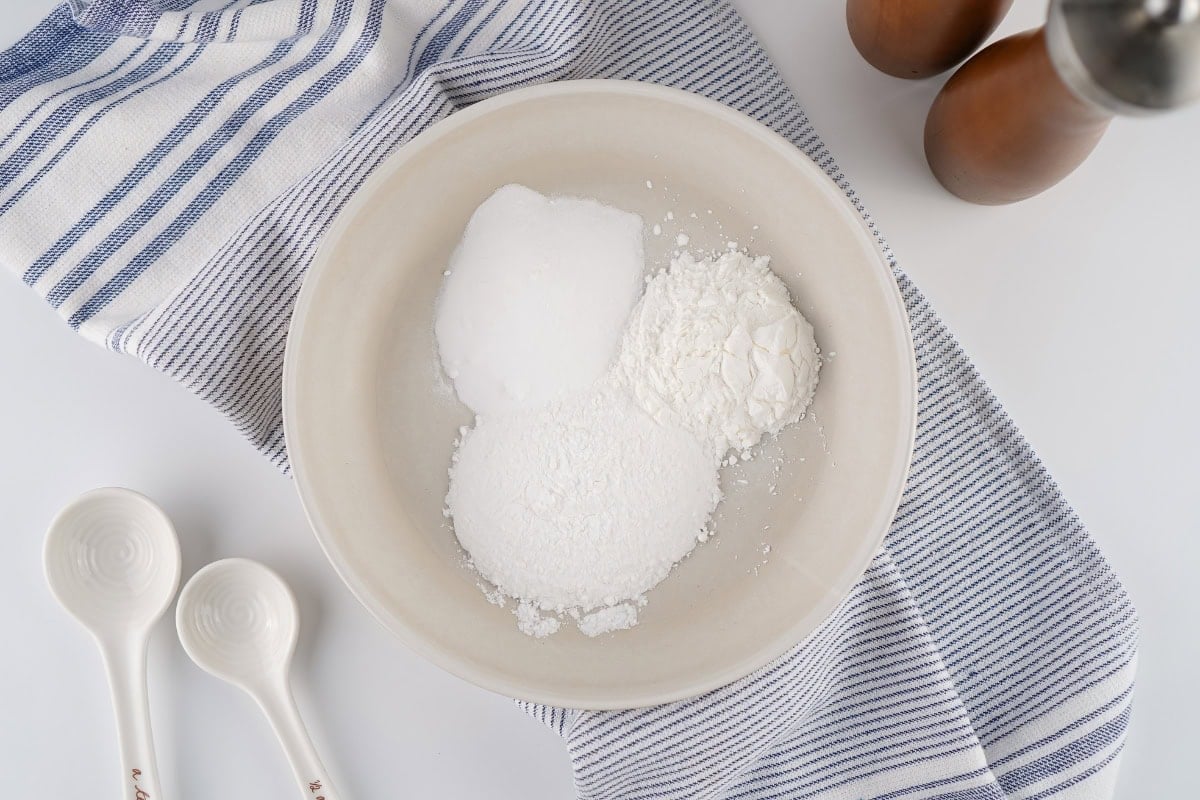
STEP 1: Measure the cream of tartar, baking soda, and optional cornstarch into a small, completely dry bowl.
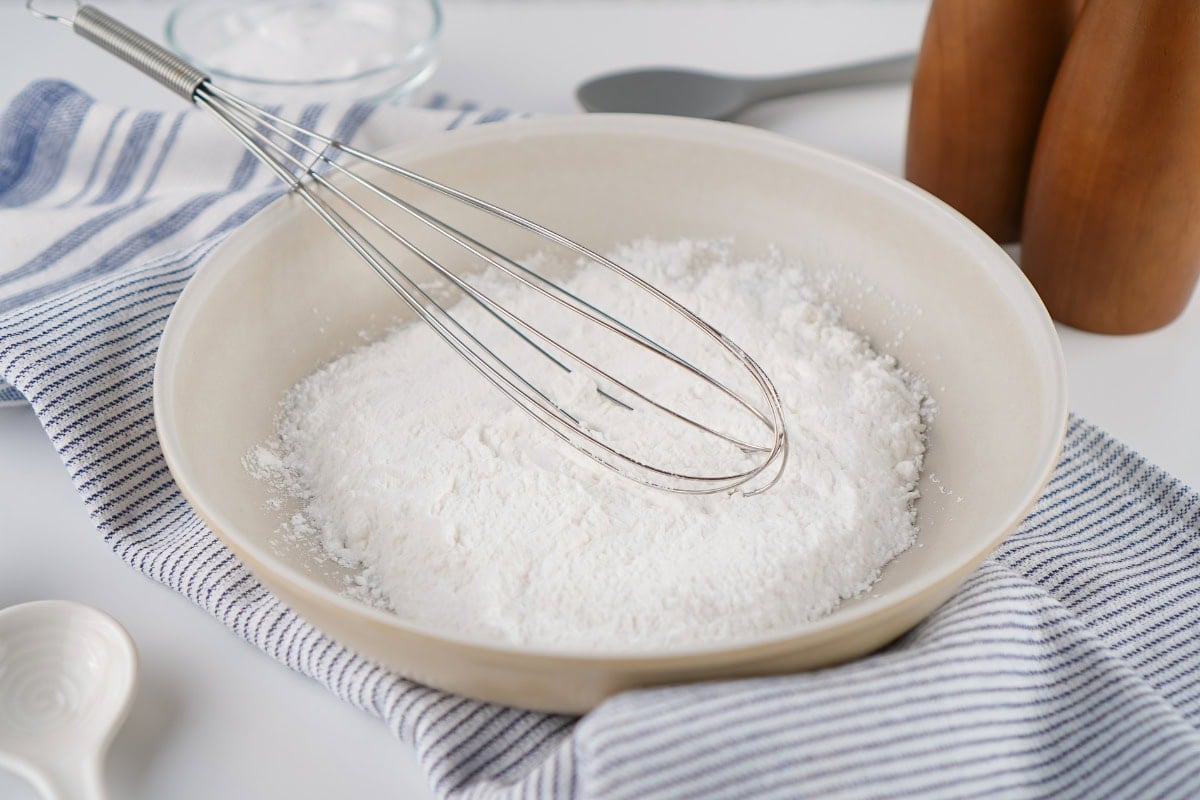
STEP 2: Whisk thoroughly until the powders are evenly combined. Break up any dry lumps as you mix.
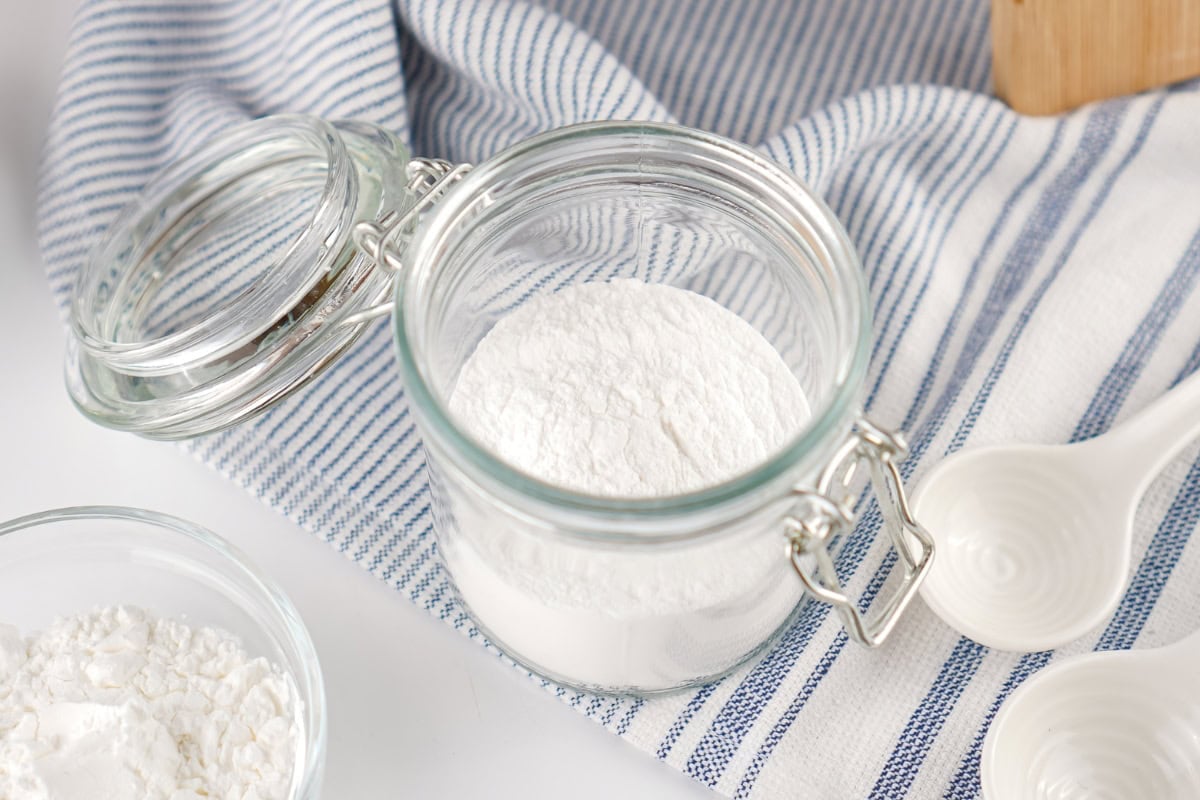
STEP 3: Transfer the mixture to a dry, airtight container. Store in a dry cupboard for up to two months.
Tips for Making DIY Baking Powder
- Measure level spoonfuls: Keep the ingredient ratio consistent by leveling each tablespoon before adding it.
- Include cornstarch for storage: Add it when keeping the mixture longer than one or two weeks.
- Check stored powder: Stir a little into hot water before baking. Active baking powder should bubble promptly.
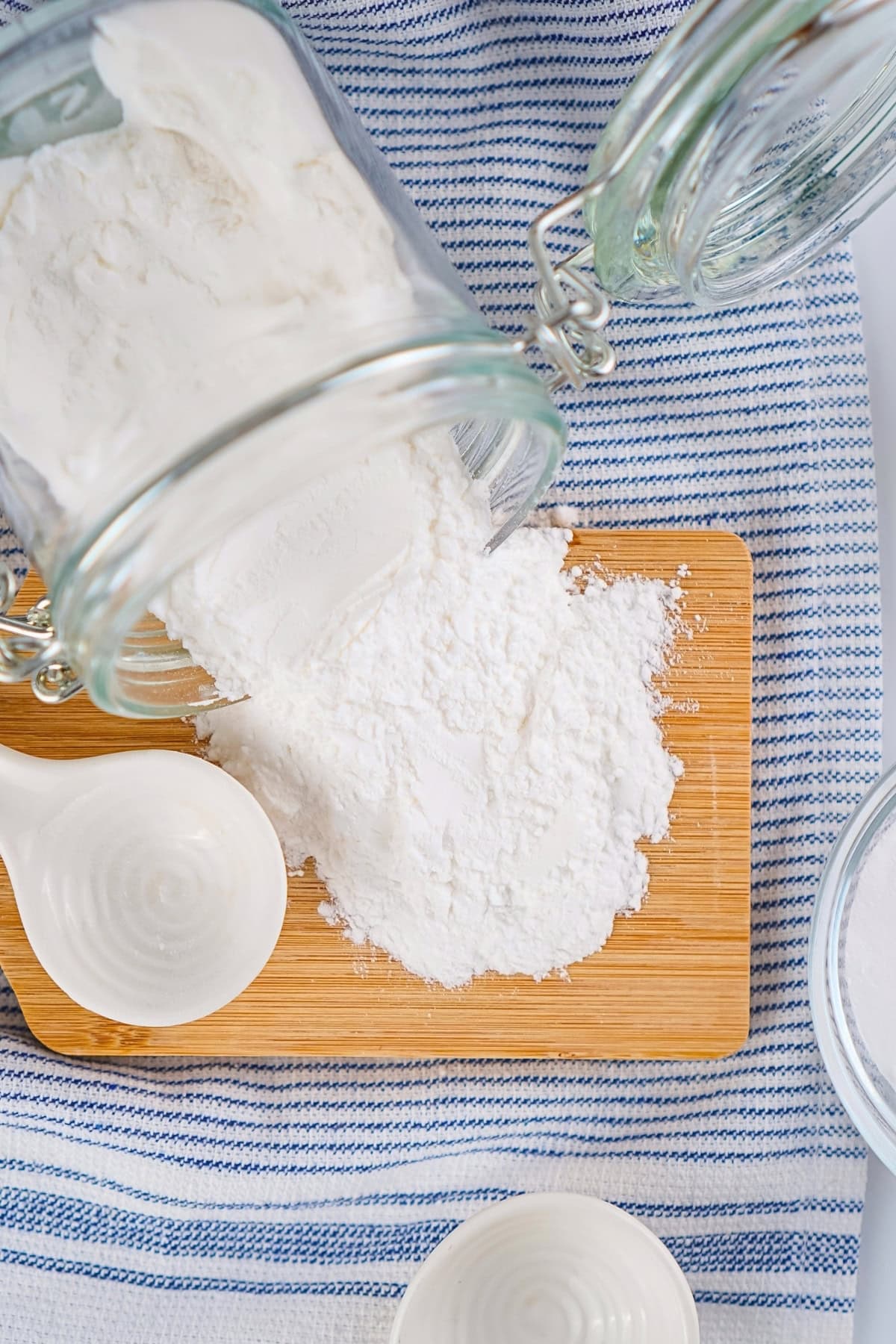
Common Mistakes to Avoid When Making a Homemade Substitute for Baking Powder
- Using damp utensils: Moisture can start the reaction before the powder reaches your batter.
- Changing the active ingredient ratio: Extra baking soda can affect flavor and throw off the recipe’s balance.
- Letting batter sit: This mixture is single-acting, so bake promptly after combining wet and dry ingredients.
- Replacing baking soda: Use this mixture for baking powder substitutions, leaving separately listed baking soda unchanged.
How to Store
Storage: Keep homemade baking powder in an airtight container in a cool, dry cupboard for up to two months. If omitting cornstarch, make only what you expect to use within one or two weeks.
Refrigerator: Room-temperature storage is preferable because condensation can introduce moisture.
Freezing: I don’t recommend freezing this mixture. Moisture during thawing can cause clumping and reduce its effectiveness.
Serving Suggestions
Try this mixture when making my strawberry lemonade shortcake, apple spice cake, or banana cake roll. Replace only the baking powder called for, and have your oven and pans ready before mixing.
FAQs
With cornstarch included, use the same amount called for in your recipe. Bake promptly because this mixture lacks the second, heat-triggered reaction found in double-acting baking powder.
No. Baking soda needs an acidic ingredient to react, while baking powder already contains an acid. This recipe combines baking soda with cream of tartar to provide both components.
Use ¾ teaspoon of the cornstarch-free mixture for each teaspoon of baking powder called for. That supplies ½ teaspoon cream of tartar and ¼ teaspoon baking soda.
No, it is single-acting. Its reaction begins when moistened, making it best suited to batters and doughs baked right after mixing.
Other Basic Staples to Try
- Make brown gravy mix to keep another useful pantry shortcut on hand.
- Mix homemade brown sugar when your next baking recipe calls for it.
- Try homemade almond milk for another kitchen staple you can prepare yourself.
- Make homemade sweetened condensed milk for your dessert projects.
- Add my homemade Bisquick biscuit recipe to your list of baking basics.
Final Thoughts
Save this recipe with your other kitchen basics so it’s easy to find during your next baking project. If you give it a try, leave a comment and share what you made!
Homemade Baking Powder
Equipment
Ingredients
- 4 tablespoons cream of tartar
- 2 tablespoons baking soda
- 2 tablespoons cornstarch optional
Instructions
- Combine all ingredients in a small, dry bowl and mix thoroughly.
- Transfer to an airtight container. Store in a dry area for up to two months.
Notes
- Label the formula: Note whether your batch contains cornstarch so you choose the correct substitution amount.
- Choose a small container: A four-ounce jar comfortably holds the full batch without taking much cupboard space.
- Transfer neatly: Use a dry funnel to guide the powder into a narrow jar opening.
- Keep batches separate: Finish an older batch before adding fresh powder so you can track its storage time.
Nutrition Information
Hungry for more?
Follow me on Pinterest and make sure to comment below!