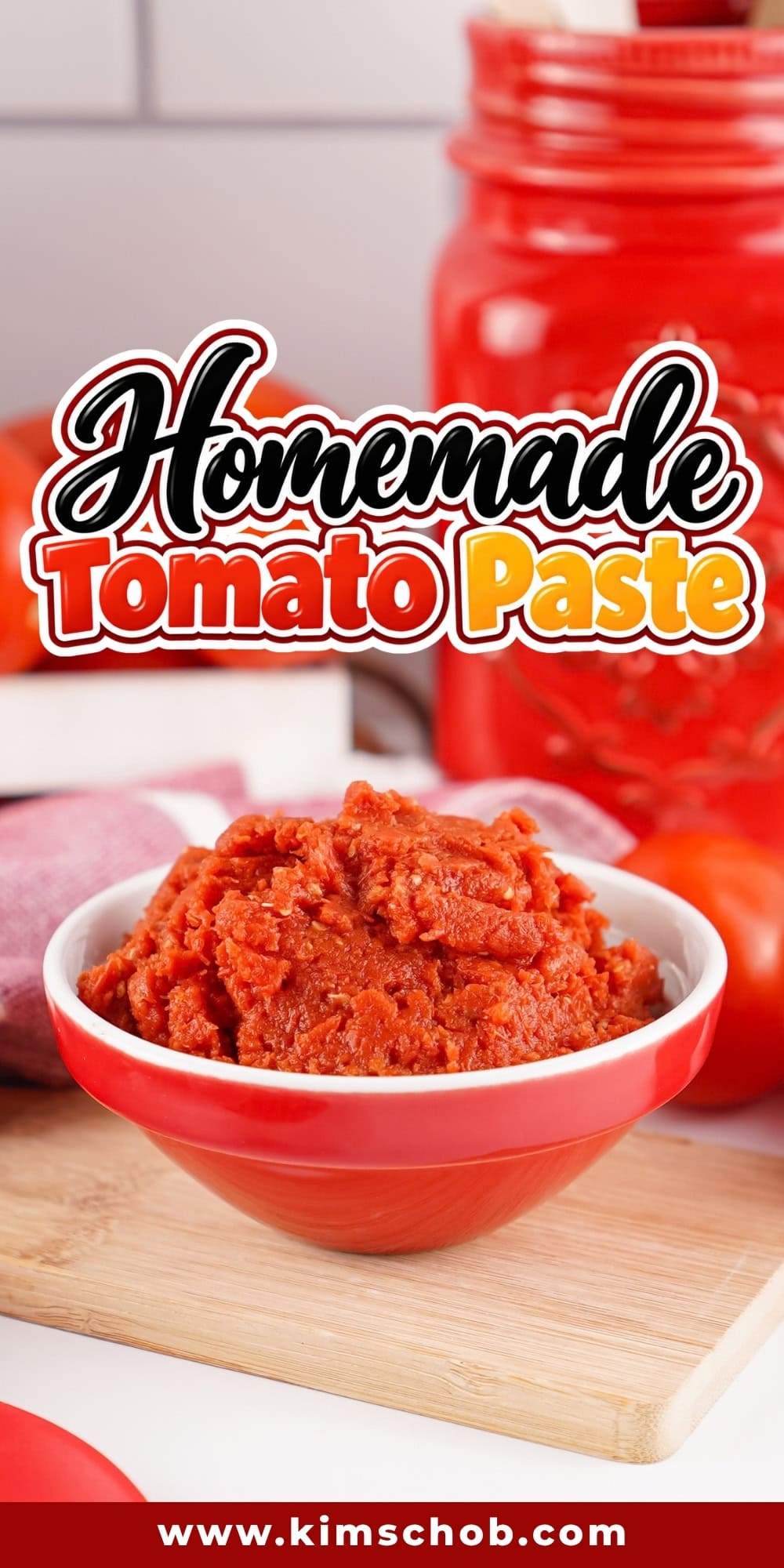
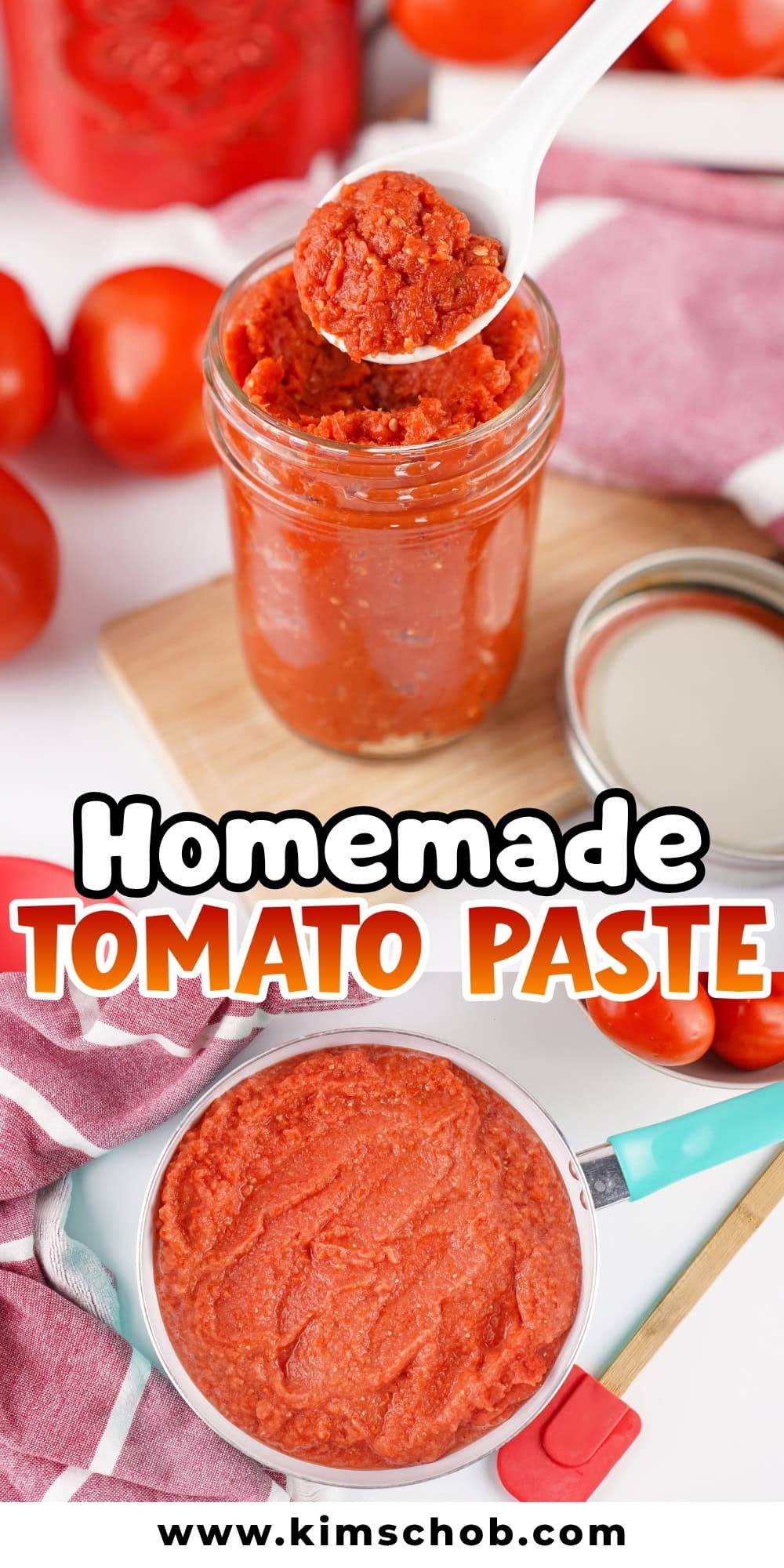
Homemade Tomato Paste Recipe

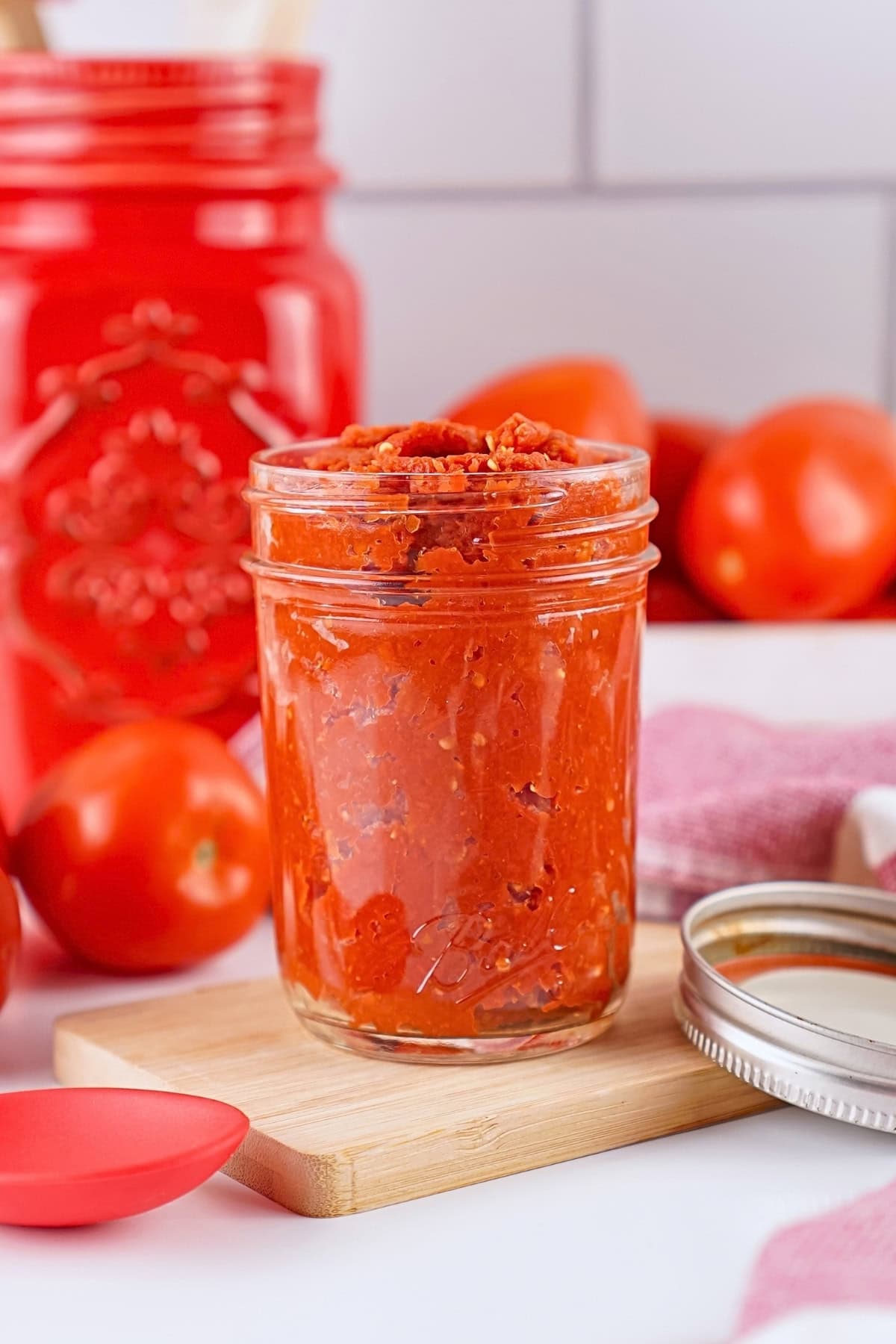
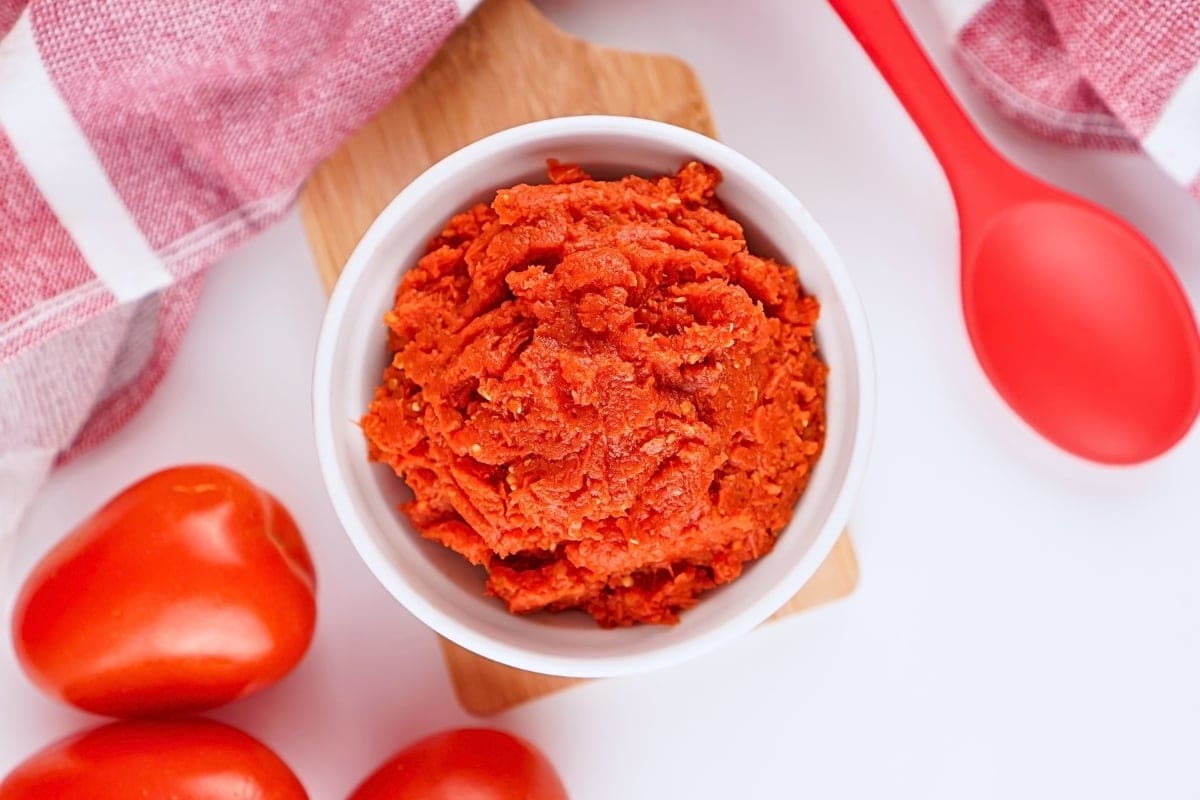
Homemade Tomato Paste is a simple way to turn ripe tomatoes into a rich, concentrated ingredient you can use in countless recipes. This stovetop version has plenty of fresh tomato flavor and is especially handy when your garden gives you more tomatoes than you know what to do with. Best of all, you only need one main ingredient.
Save This Post!
Best Homemade Tomato Recipe You’ll Ever Make
I blend the tomatoes first, then strain away as much excess liquid as possible before they ever reach the saucepan. Those extra few minutes make a difference because there’s much less water left to cook off.
Roma tomatoes are also a good choice because their meaty texture works especially well for making paste. Slowly simmering the strained tomatoes concentrates their flavor and gives you that thick consistency you need for sauces, soups, stews, and more.
Once you have a batch ready, use it in my Slow Cooker Beef Barbacoa for deeper tomato flavor. You can also use it in Picadillo Beef or add some to Irish Lamb Stew when you want a richer base.
Ingredients
See the recipe card below for the full ingredient list and exact measurements.
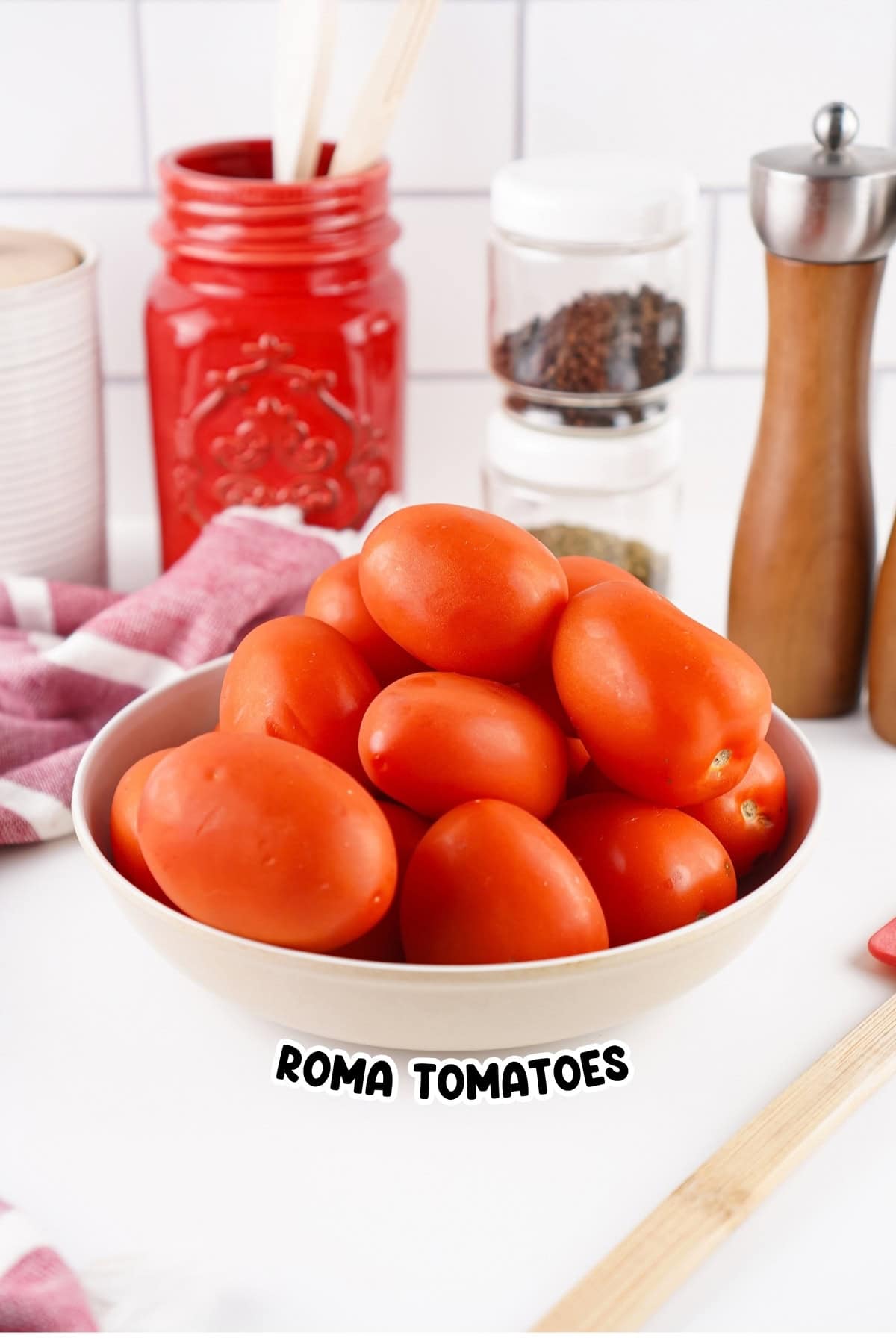
- Roma Tomatoes: Roma tomatoes are meaty with fewer seeds and less liquid than many slicing tomatoes. Look for ripe, firm tomatoes without large bruised or damaged areas.
- Olive Oil: This is optional, but you can add a thin layer over the finished paste before refrigerating it.
Substitutions and Variations
- Try Other Paste Tomatoes: San Marzano-style or other plum tomatoes work when Roma tomatoes aren’t available.
- Use Garden Tomatoes: Other ripe garden tomatoes can work, although juicier varieties may take longer to reduce.
- Remove the Seeds: Scrape out the seeds while quartering the tomatoes if you prefer a smoother finished paste.
- Add Olive Oil: Stir a little olive oil into the finished paste if you prefer a slightly richer texture.
How to Make Homemade Tomato Paste
STEP 1: Wash the tomatoes thoroughly. Remove the stems along with any bruised or damaged spots.
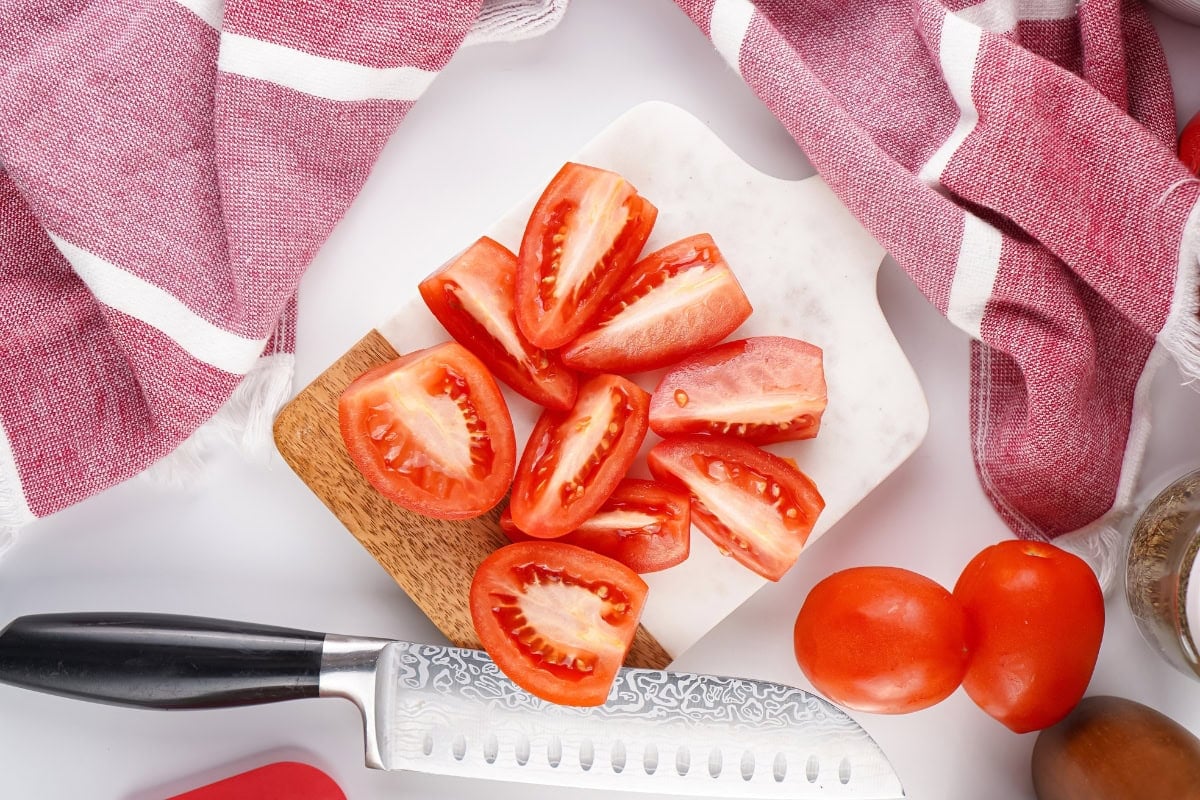
STEP 2: Quarter the tomatoes. Remove the seeds now if you prefer tomato paste without them.
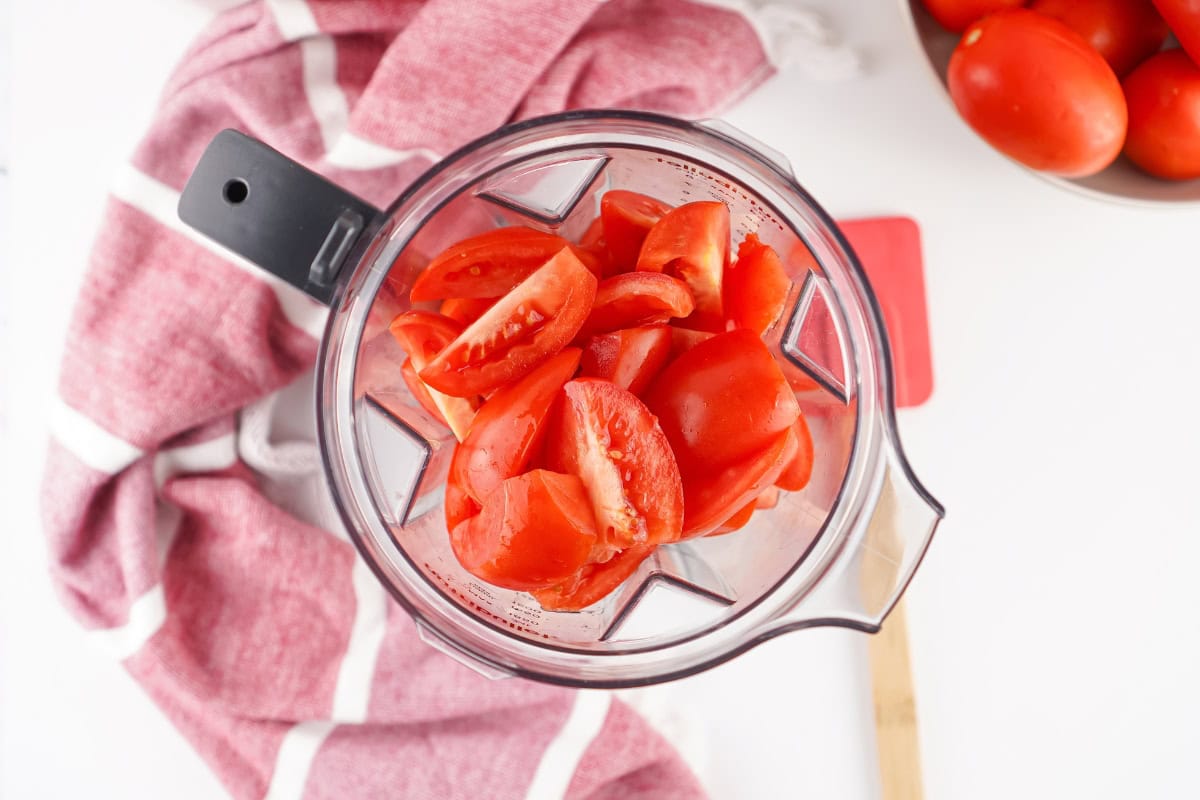
STEP 3: Add the quartered tomatoes to a blender. If you’re using an 8-cup blender, work in two batches.
STEP 4: Blend the tomatoes for 12 to 15 seconds, or until there are no large chunks remaining.
STEP 5: Place a fine mesh sieve over a large bowl. Pour some of the blended tomato mixture into the sieve.
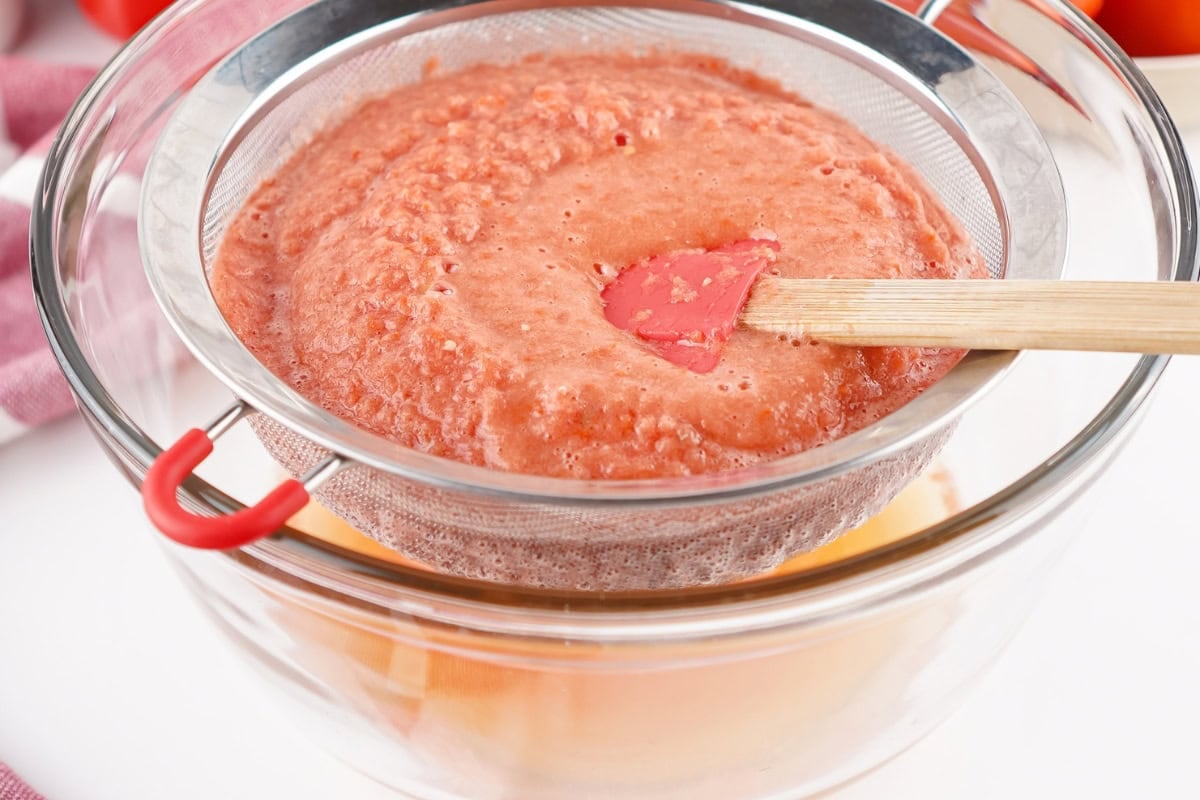
STEP 6: Use a spoon or other utensil to gently move the mixture around, helping the excess liquid drain into the bowl.
STEP 7: Continue working in batches until all the tomatoes have been strained. Spend about 10 minutes removing as much liquid as possible.
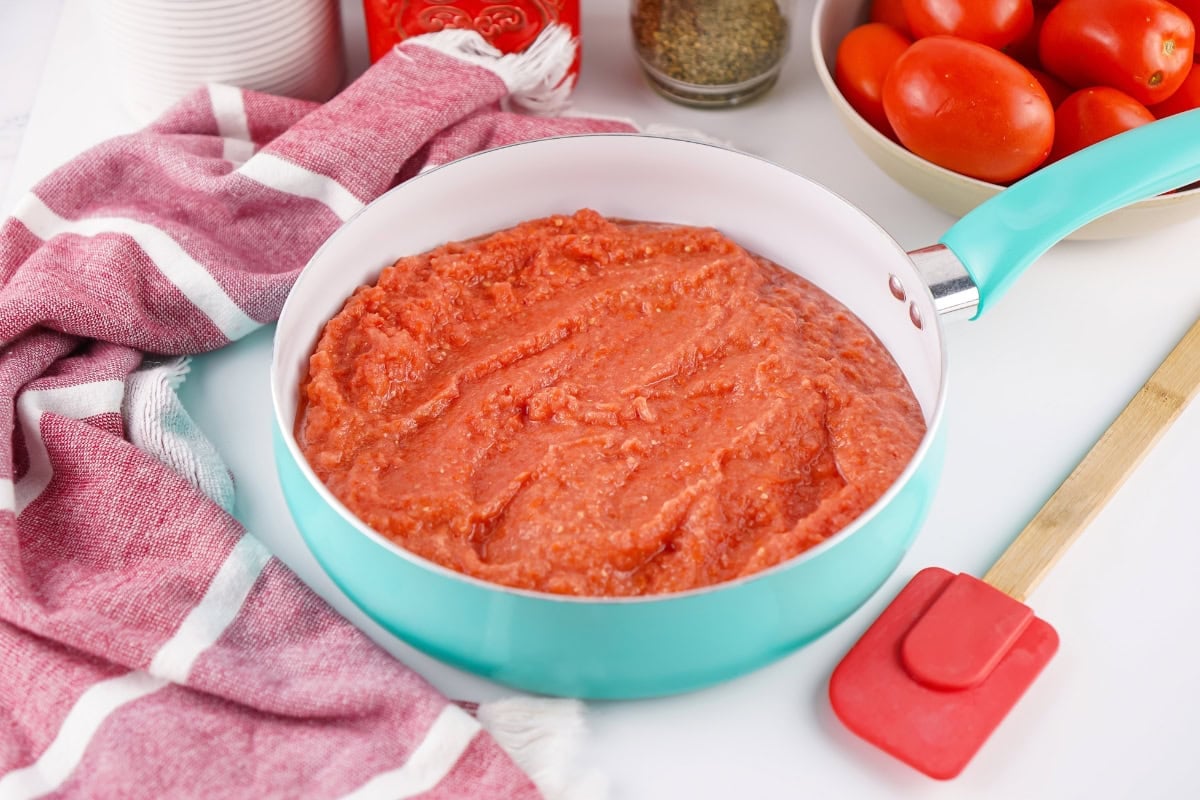
STEP 8: Transfer the thick tomato mixture left in the sieve to a large saucepan.
STEP 9: Simmer over low heat for about 1 hour and 50 minutes, stirring as needed, until the tomatoes reduce into a thick paste.
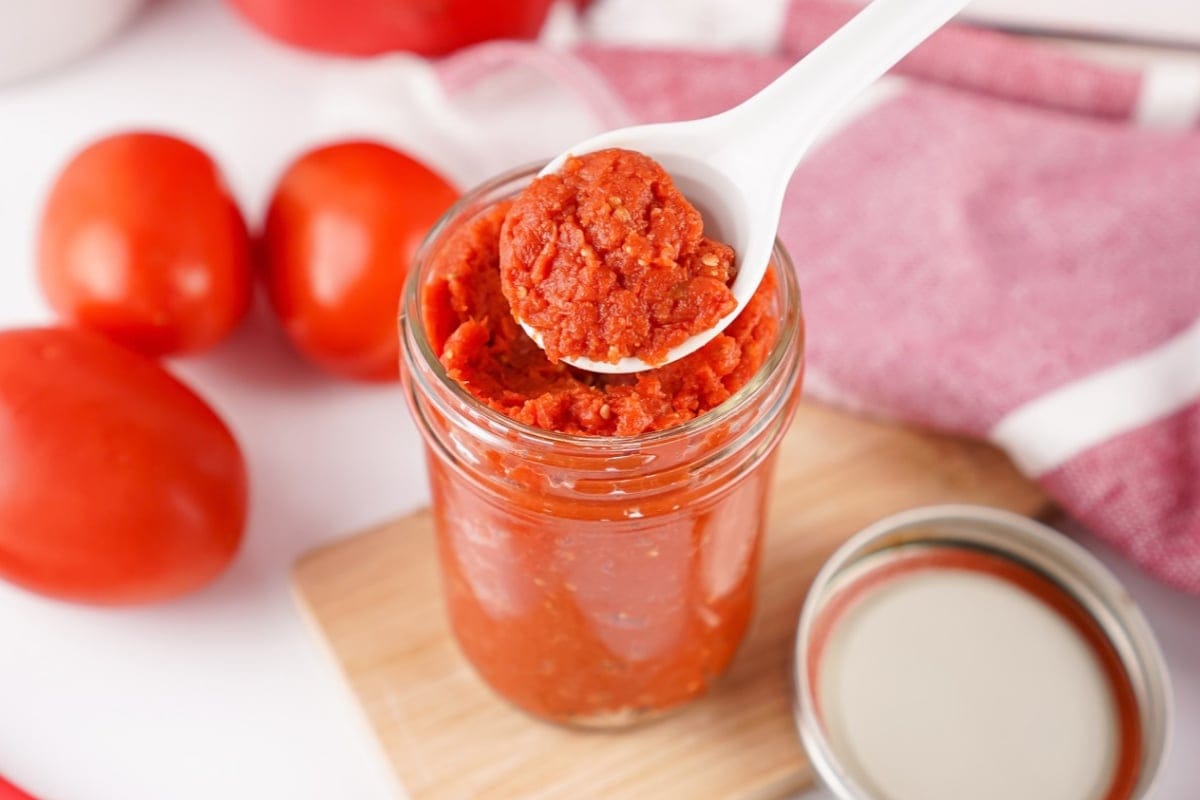
STEP 10: Let the tomato paste cool before transferring it to a storage container, or use it immediately in your favorite recipe.
Tips for Making Homemade Tomato Paste
- Choose Meaty Tomatoes: Roma and other paste tomatoes contain less water, so you’ll get more paste from your batch.
- Drain Thoroughly: Spend the extra time removing liquid through the sieve because it shortens the cooking process later.
- Keep the Heat Low: A slow simmer reduces the tomatoes without scorching the concentrated paste on the bottom.
- Stir More Often Near the End: As the mixture thickens, it can stick more easily, so keep a closer eye on it.
- Watch the Texture, Not Just the Clock: Juiciness varies between tomatoes, so your batch may need slightly more or less cooking time.
- Common Mistakes to Avoid When Making Homemade Tomato Paste
- Starting With Watery Tomatoes: You can still use them, but expect a smaller yield and longer reduction time.
- Rushing the Straining Step: Leaving too much liquid behind means you’ll spend considerably longer reducing it on the stove.
- Using High Heat: Turning up the burner may seem faster, but thick tomato pulp can scorch as its moisture disappears.
- Walking Away Near the End: The paste needs more attention once it gets thick because there’s less liquid protecting it from burning.
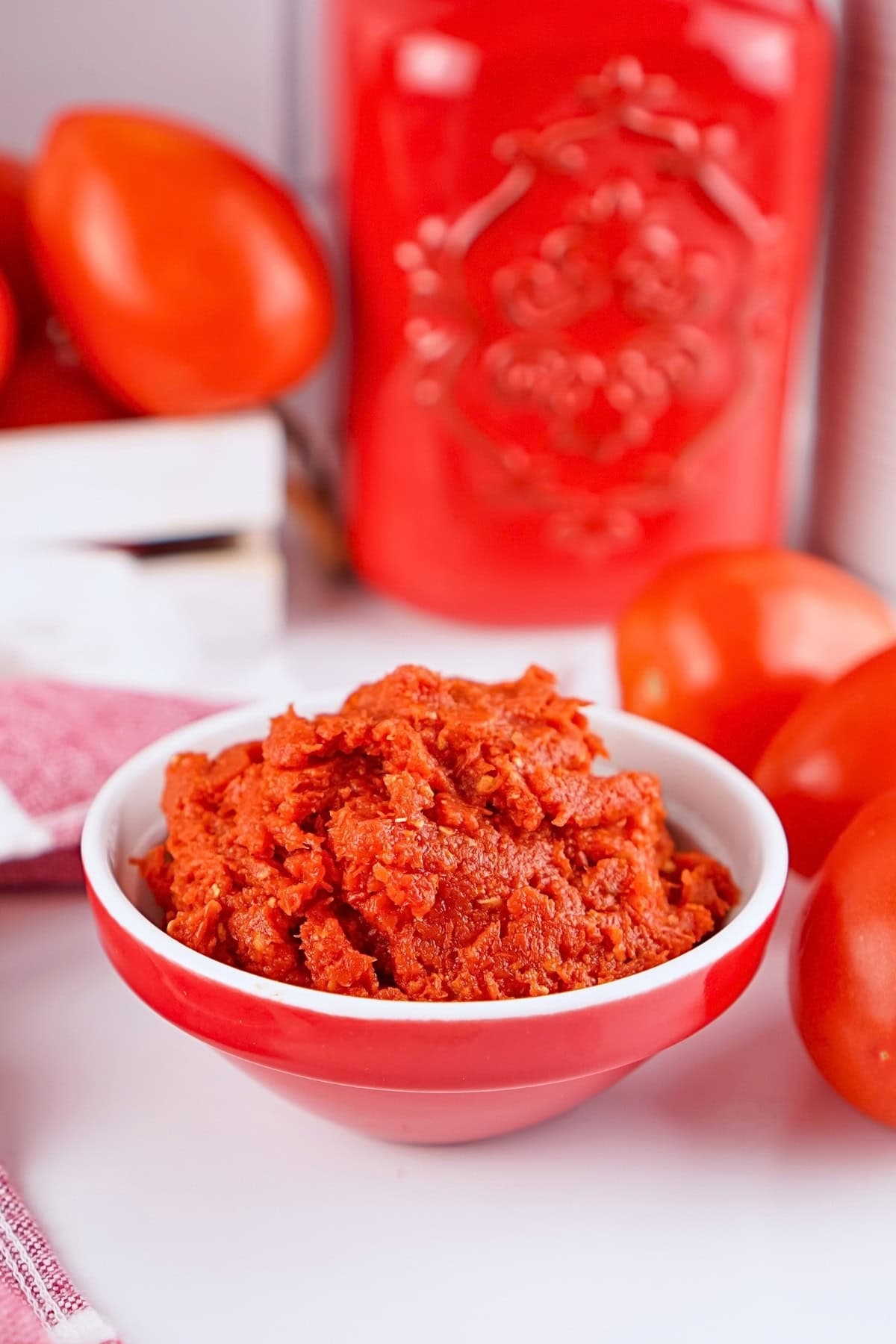
- Stopping Too Soon: Keep reducing until you have a thick paste rather than a loose tomato sauce.
Common Mistakes to Avoid When Making Tomato Paste
- Starting With Watery Tomatoes: You can still use them, but expect a smaller yield and longer reduction time.
- Rushing the Straining Step: Leaving too much liquid behind means you’ll spend considerably longer reducing it on the stove.
- Using High Heat: Turning up the burner may seem faster, but thick tomato pulp can scorch as its moisture disappears.
- Walking Away Near the End: The paste needs more attention once it gets thick because there’s less liquid protecting it from burning.
- Stopping Too Soon: Keep reducing until you have a thick paste rather than a loose tomato sauce.
How to Store
- Refrigerator: Keep the tomato paste covered in the refrigerator and use it within 1 week.
- Freezing: For longer storage, freeze the paste in small portions so you can remove only what you need for a recipe.
- Olive Oil: Add a thin layer of olive oil over refrigerated tomato paste. Stir the oil into the paste before using.
- Canning: If you plan to can tomato paste for shelf-stable storage, use a tested canning recipe from a trusted food-preservation source rather than adapting these refrigerator-storage directions.
Ways To Use Tomato Paste
Homemade tomato paste is easy to work into recipes whenever you need concentrated tomato flavor. Add it to Spicy Slow Cooker Chili for a richer base or use it in Zucchini Noodles with Arrabbiata Sauce. A spoonful can also add extra depth to Crockpot Potato and Sausage Soup.
FAQs
Roma and other paste tomatoes work especially well because they’re meaty and contain less water. Very juicy tomatoes can still work, but they may take longer to reduce.
The mixture should be very thick and concentrated without watery liquid separating from it. It should look much thicker than regular tomato sauce.
Not with this method. Blending breaks everything down, while the fine mesh sieve helps give the mixture a more consistent texture.
Instead of automatically discarding it, save the strained tomato liquid for cooking. You can add it to soups, sauces, stocks, rice, or other dishes where a light tomato flavor works.
Other Basic Recipes You Need To Try Next
- Homemade Alfredo Sauce gives you a creamy sauce you can make at home for easy pasta dinners.
- Homemade Vegetable Stock is a handy kitchen basic for soups, sauces, grains, and other recipes.
- My Homemade Powdered Sugar shows you how to make this baking staple when you run out.
- White Gravy Mix gives you a homemade pantry mix to keep ready for quick gravy.
- This Rice Flour Alternative is another useful homemade basic to keep in mind when a recipe calls for rice flour.
Final Thoughts
Making your own tomato paste is especially useful when tomato season leaves you staring at a counter full of ripe produce. Instead of letting those extra tomatoes go to waste, you can turn several pounds into a compact ingredient you’ll actually use.
Try this homemade tomato paste recipe with your next batch of garden tomatoes. Let me know how yours turned out, and save the recipe for tomato season!
Homemade Tomato Paste
Equipment
- Saucepan Large
- Mixing Bowl Large
- Wooden spoon or silicone spatula
Ingredients
- 4 pounds Roma tomatoes
- 1 to 2 tablespoons olive oil optional, for storage
Instructions
- Wash the Roma tomatoes thoroughly. Remove the stems and cut away any bruised or damaged areas.
- Cut each tomato into quarters.
- Working in batches as needed, add the quartered tomatoes to a blender.
- Blend for 12 to 15 seconds, or until the tomatoes are broken down and no large chunks remain.
- Place a fine-mesh sieve over a large bowl.
- Pour a portion of the blended tomatoes into the sieve.
- Use a spoon or silicone spatula to gently move the tomato mixture around the sieve, allowing as much excess liquid as possible to drain into the bowl.
- Continue working in batches until all of the blended tomatoes have been strained. This process may take about 10 minutes. Removing excess liquid helps reduce the cooking time.
- Transfer the thick strained tomato mixture to a large saucepan.
- Place the saucepan over low heat and bring the tomatoes to a gentle simmer.
- Cook for approximately 1 hour 50 minutes, stirring regularly and more frequently as the mixture thickens to prevent scorching.
- Continue cooking until the tomatoes have reduced to a thick, concentrated paste. The exact cooking time may vary depending on how much liquid was removed during straining.
- Remove the tomato paste from the heat and allow it to cool.
- Use immediately in your favorite recipe or transfer to an airtight container for storage.
Notes
- Use a Heavy-Bottomed Pan: A heavier saucepan distributes heat more evenly and helps reduce the chance of scorching as the paste thickens.
- Use a Silicone Spatula: A flexible spatula makes it easier to scrape thickening tomato paste from the bottom and corners of the pan.
- Freeze Small Portions: Portion the cooled paste by tablespoons before freezing so you can grab exactly what a recipe needs.
- Label Frozen Portions: Add the date and portion size to your container so there’s no guessing later.
- Use a Clean Spoon: Always scoop refrigerated paste with a clean utensil to help it stay fresh during storage.
Nutrition Information
Hungry for more?
Follow me on Pinterest and make sure to comment below!