
7 Best Rice Flour Substitutes for Baking (+ How to Make Your Own)

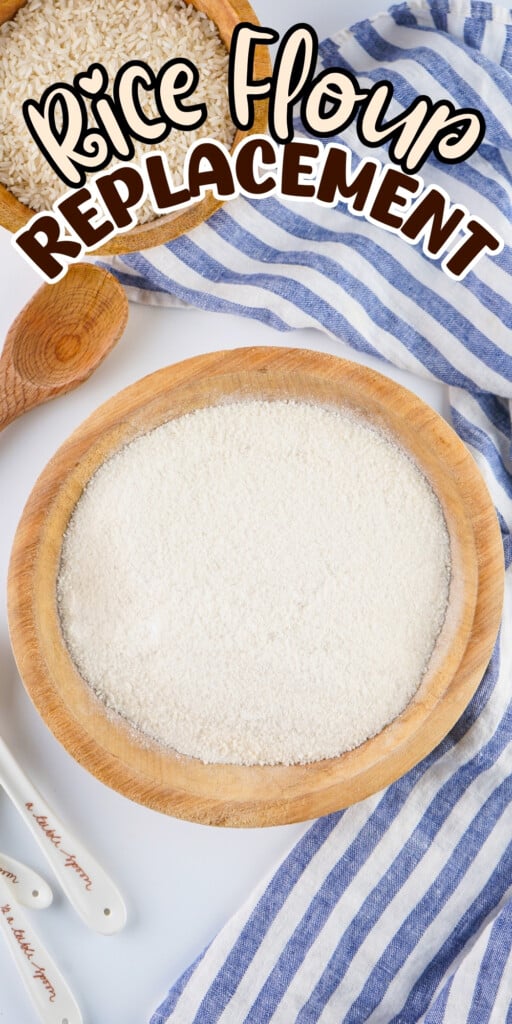
Looking for the best rice flour substitute? This comprehensive guide covers 7 proven alternatives that work perfectly in baking, frying, and thickening. Whether you need a gluten-free rice flour substitute like almond flour, or you’re fine with regular all-purpose flour, I’ll show you exactly which option to choose for your recipe, plus the conversion ratios for perfect results.
Save This Post!
From store-bought alternatives to making your own rice flour at home, you’ll never be stuck without this versatile ingredient again. Most of these substitutes are probably already in your kitchen, making them perfect for those moments when you discover you’re out of rice flour mid-recipe.
If you are like me and love to make pantry staples like this at home, you may also enjoy this Homemade Allspice Alternative, Homemade Sweetened Condensed Milk, or this Homemade Bisquick Biscuit Recipe. So, no matter which of these recipes you decide to make next, you will love being able to avoid an extra trip to the grocery store.
7 Best Rice Flour Substitutes for Every Recipe
When you’re out of rice flour or need an alternative for dietary reasons, these substitutes will save your recipe. Each option works differently depending on what you’re making, so I’ll break down the best uses and conversion ratios for each.
1. All-Purpose Flour
- Best for: General baking, breading, and thickening
- Conversion ratio: 1:1 replacement
- Gluten-free: No
All-purpose flour is the most common rice flour substitute and works well in most recipes. It provides structure in baked goods and creates a crispy coating when used for frying. Keep in mind that all-purpose flour contains gluten, so it will create a chewier texture in baked goods compared to rice flour’s more tender crumb.
When to use: Cookies, muffins, pancakes, breading for chicken or fish, and as a thickening agent for sauces.
2. Almond Flour
- Best for: Gluten-free baking, low-carb recipes
- Conversion ratio: 1:1 replacement (may need slight liquid adjustment)
- Gluten-free: Yes
Almond flour is an excellent gluten-free alternative that adds richness and a slightly nutty flavor to baked goods. It works particularly well in cookies and quick breads. Since almond flour is higher in fat and protein than rice flour, your baked goods may be more dense and moist.
When to use: Gluten-free cookies, macarons, quick breads, and coating for baked chicken or fish.
3. Coconut Flour
- Best for: Gluten-free baking, keto and paleo diets
- Conversion ratio: Use 1/4 to 1/3 the amount (coconut flour is very absorbent)
- Gluten-free: Yes
Coconut flour is highly absorbent and adds a subtle coconut flavor to recipes. Because it soaks up so much liquid, you’ll need to increase the liquid ingredients or eggs in your recipe when using coconut flour as a rice flour substitute.
When to use: Pancakes, muffins, and quick breads where you don’t mind a hint of coconut flavor. Great for those following keto or paleo diets.
4. Potato Starch
- Best for: Thickening sauces and gravies, gluten-free baking
- Conversion ratio: 1:1 for thickening, 1/2 cup potato starch + 1/2 cup other flour for baking
- Gluten-free: Yes
Potato starch is incredibly effective for thickening and creates a glossy, clear finish in sauces. In baking, it helps create light, fluffy textures but works best when combined with other flours rather than used alone.
When to use: Thickening soups, gravies, and sauces. In baking, combine with almond flour or other gluten-free flours for best results.
5. Tapioca Flour (Tapioca Starch)
- Best for: Chewy textures, thickening, gluten-free baking
- Conversion ratio: 1:1 replacement for thickening, 1/2 tapioca + 1/2 other flour for baking
- Gluten-free: Yes
Tapioca flour creates a wonderfully chewy texture and works excellently for thickening. It becomes clear when cooked, making it perfect for fruit pie fillings and Asian-style sauces where you want transparency.
When to use: Bubble tea, chewy breads, pizza dough, and thickening fruit pie fillings. Also excellent for creating that stretchy texture in gluten-free breads.
6. Cornstarch
- Best for: Crispy coatings, thickening sauces
- Conversion ratio: 1:1 for thickening, not recommended for baking
- Gluten-free: Yes
Cornstarch is your go-to for creating incredibly crispy coatings on fried foods and for thickening sauces to a glossy finish. It’s not ideal for baking as it doesn’t provide structure like rice flour does.
When to use: Coating for Lemon-Garlic Jumbo Shrimp, thickening stir-fry sauces, and creating crispy coatings for vegetables.
7. Homemade Rice Flour (DIY Option)
- Best for: When you want authentic rice flour texture and flavor
- Conversion ratio: 1:1 replacement for store-bought rice flour
- Gluten-free: Yes
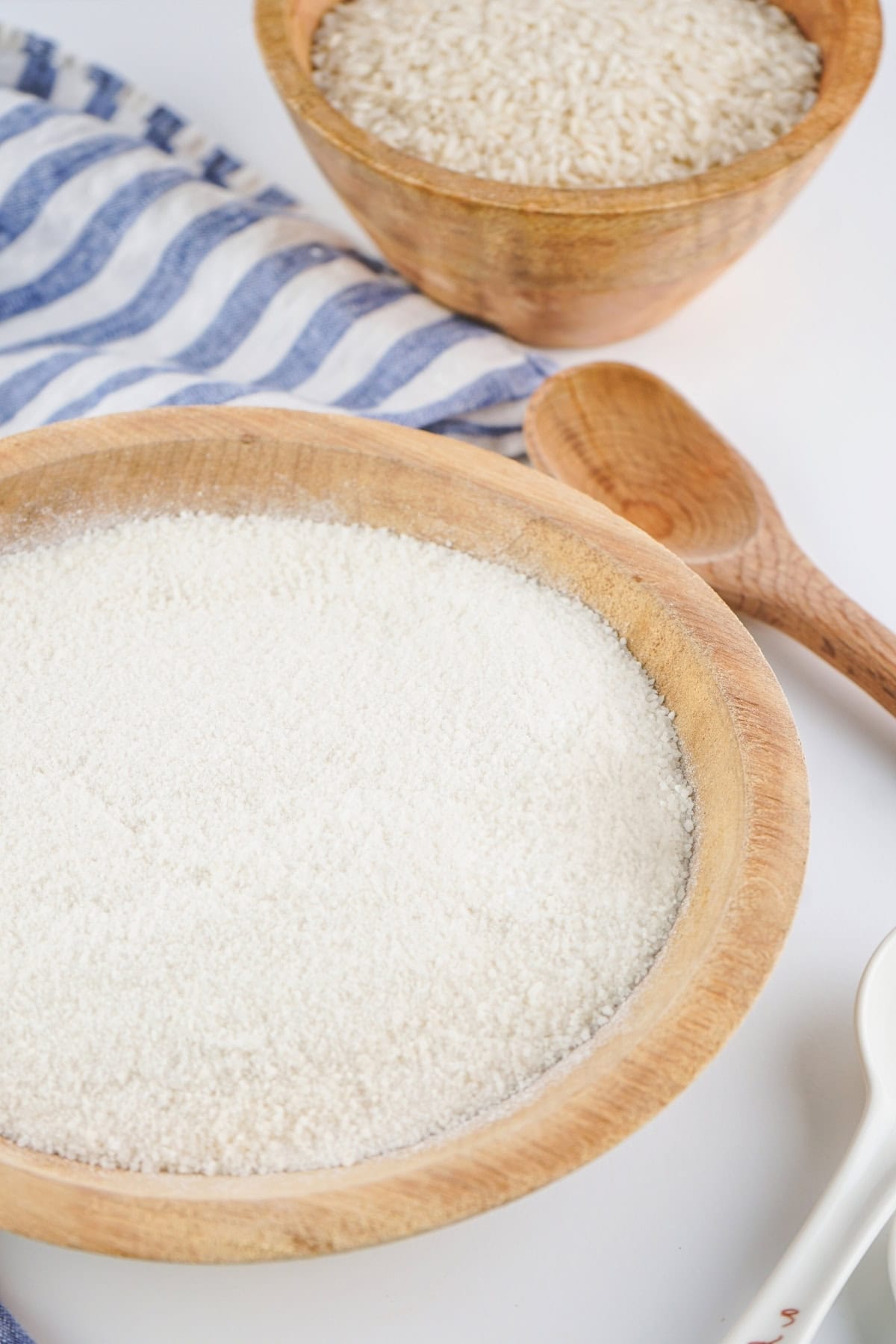
Making your own rice flour gives you complete control over the texture and ensures freshness. This is the closest substitute to store-bought rice flour and works in any recipe that calls for rice flour.
When to use: Any recipe calling for rice flour, especially when you want the most authentic results. Perfect for Gluten-Free Chocolate Chip Cookies or traditional Asian recipes.
How to Make Your Own Rice Flour
See the recipe card below for the full ingredient list and exact measurements.
Ingredient Notes:
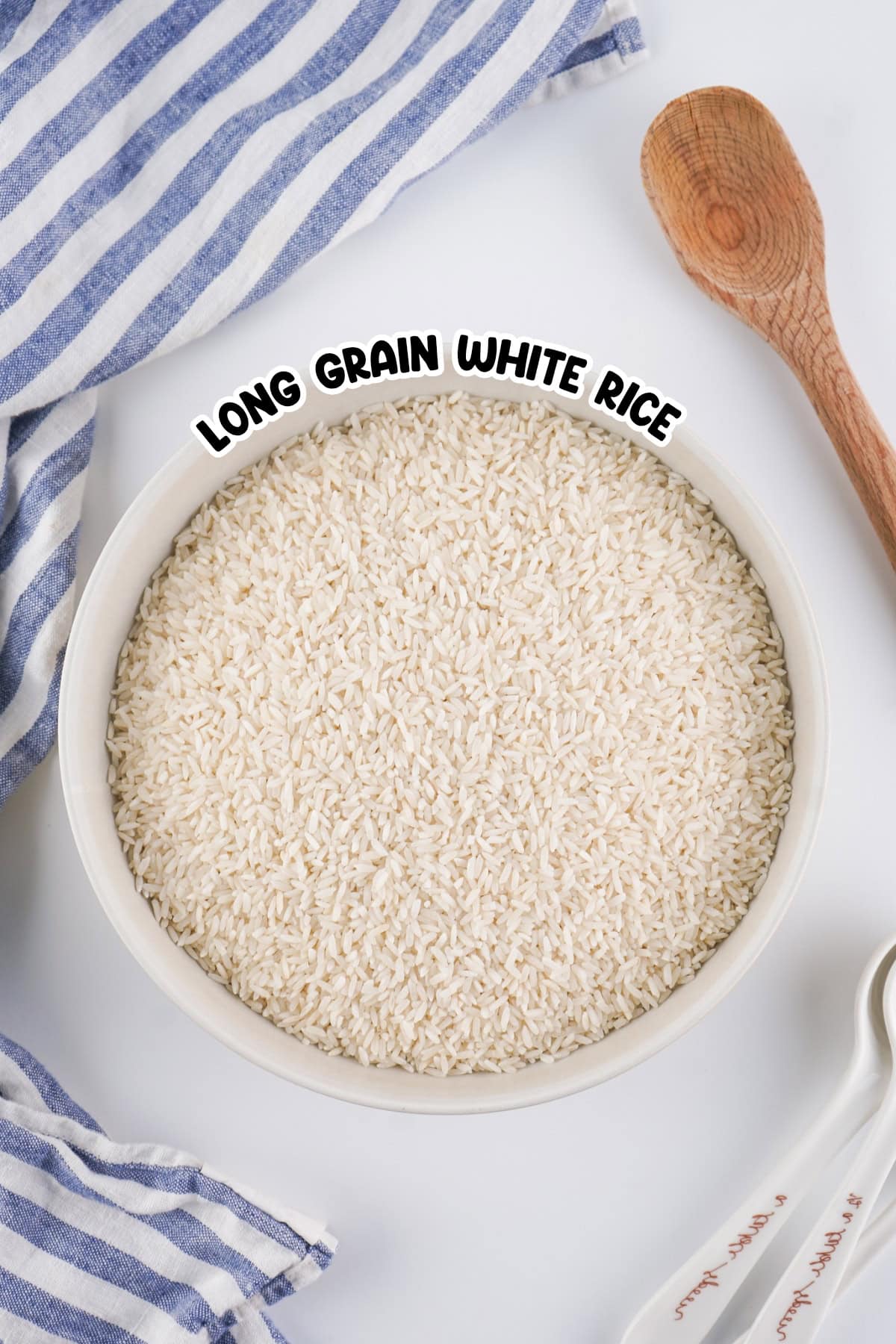
- Long Grain White Rice
Substitutions and Additions
- Brown Rice: For a healthier option, you can use brown rice instead of white rice. Just keep in mind that the flour may have a slightly different texture.
- Adding Flavors: You can also add flavors to your homemade rice flour by mixing in spices like cinnamon or herbs like rosemary before grinding. This will give your recipes an extra depth of flavor.
- Medium Grain Rice: Medium-grain rice can also be used to make rice flour, but it may result in a slightly heavier texture compared to using long-grain white rice.
How to Make Homemade Rice Flour (step-by-step directions)
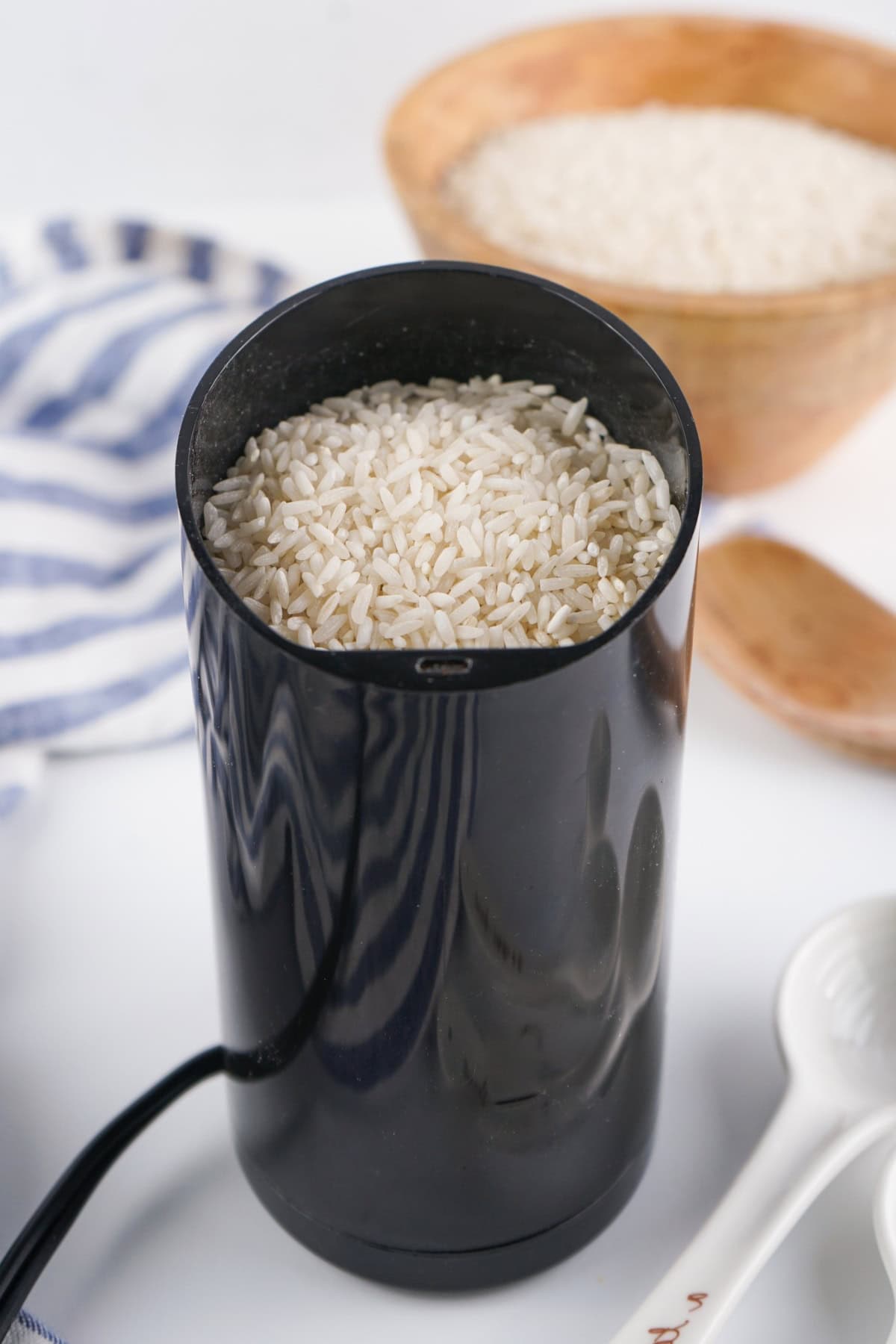
Step 1: Place the rice in your grinder and grinder for 15 seconds or until you get a fine powder.
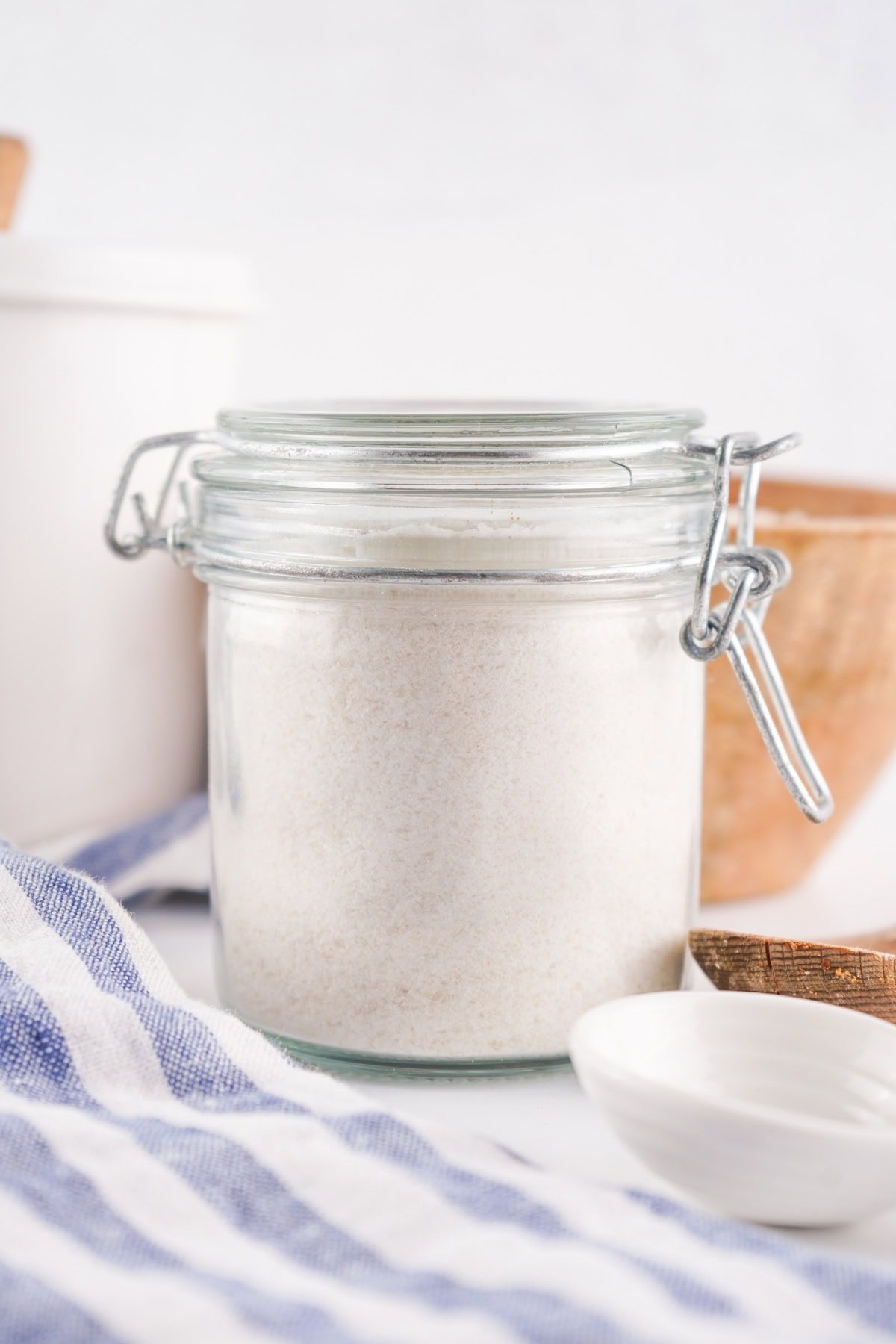
Step 2: Sift the flour into a bowl and then move to an airtight container for storage.
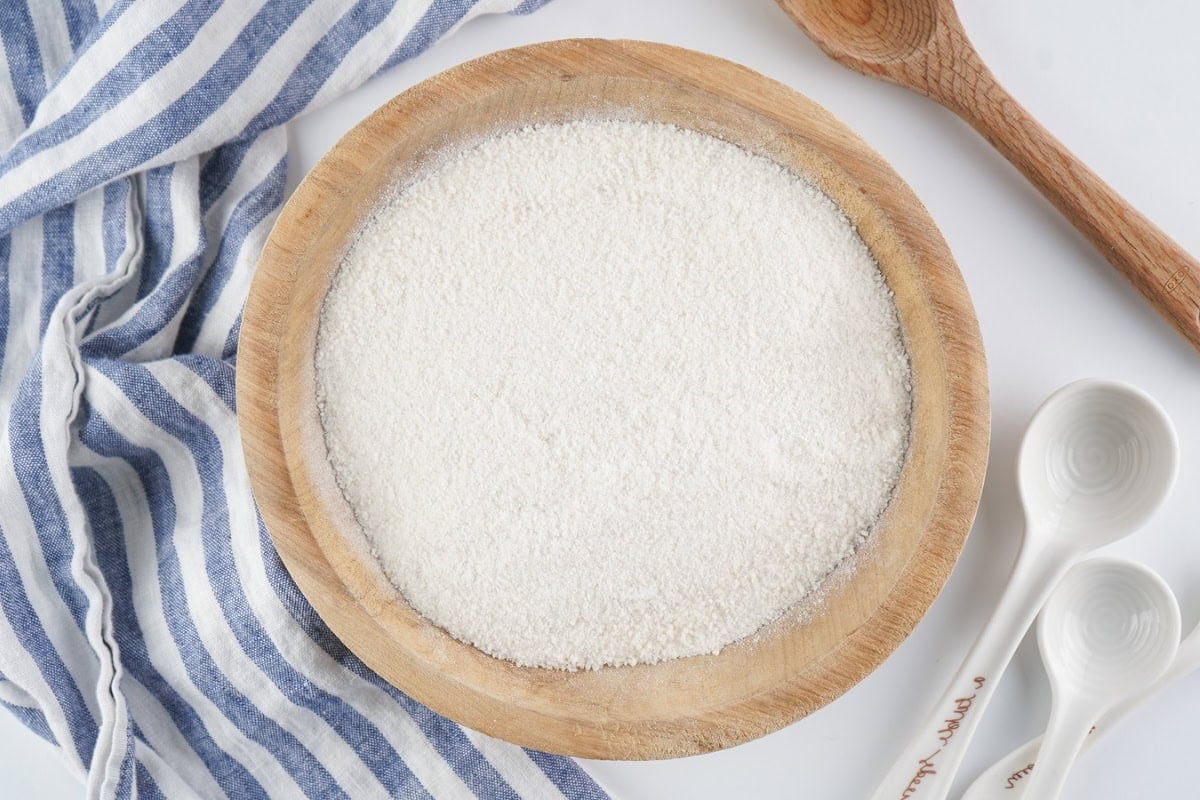
Recipe Tips
- Use Batches: Most spice grinders can not handle 2 cups at one time, so you will need to do this in batches depending on the size of your spice grinder.
- Freezing: I don’t recommend freezing this flour, as it can affect the quality.
- Rinsing: I do not rinse my rice before making rice flour. If you do rinse yours, you will need to make sure that it is fully dry before you start.
- Soaking: There is no need to soak the rice to soften it. The spice grinder will do the work.
- Grinding: You will get as fine of flour if you use a blender or a food processor. A spice grinder works best.
Storing Tips
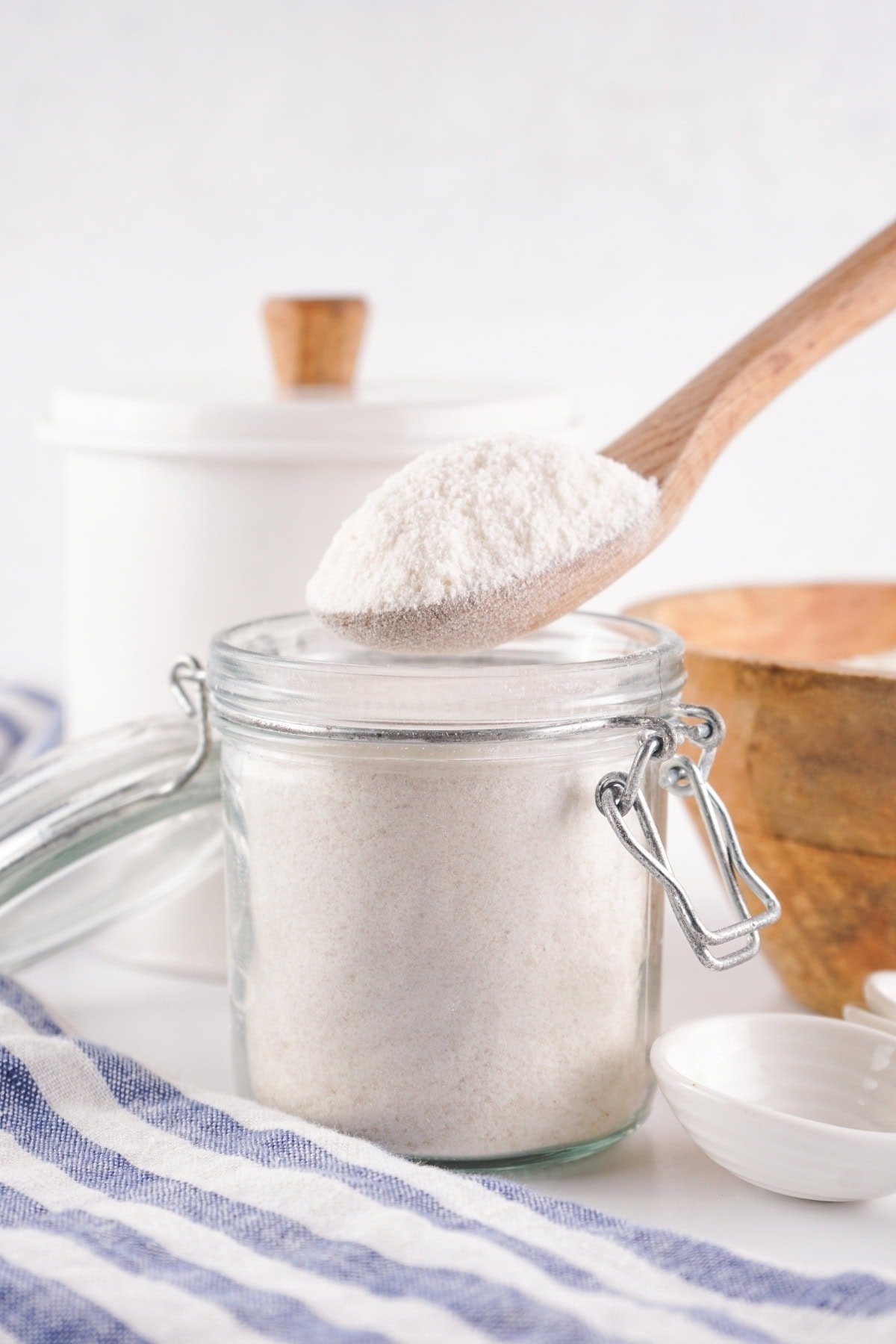
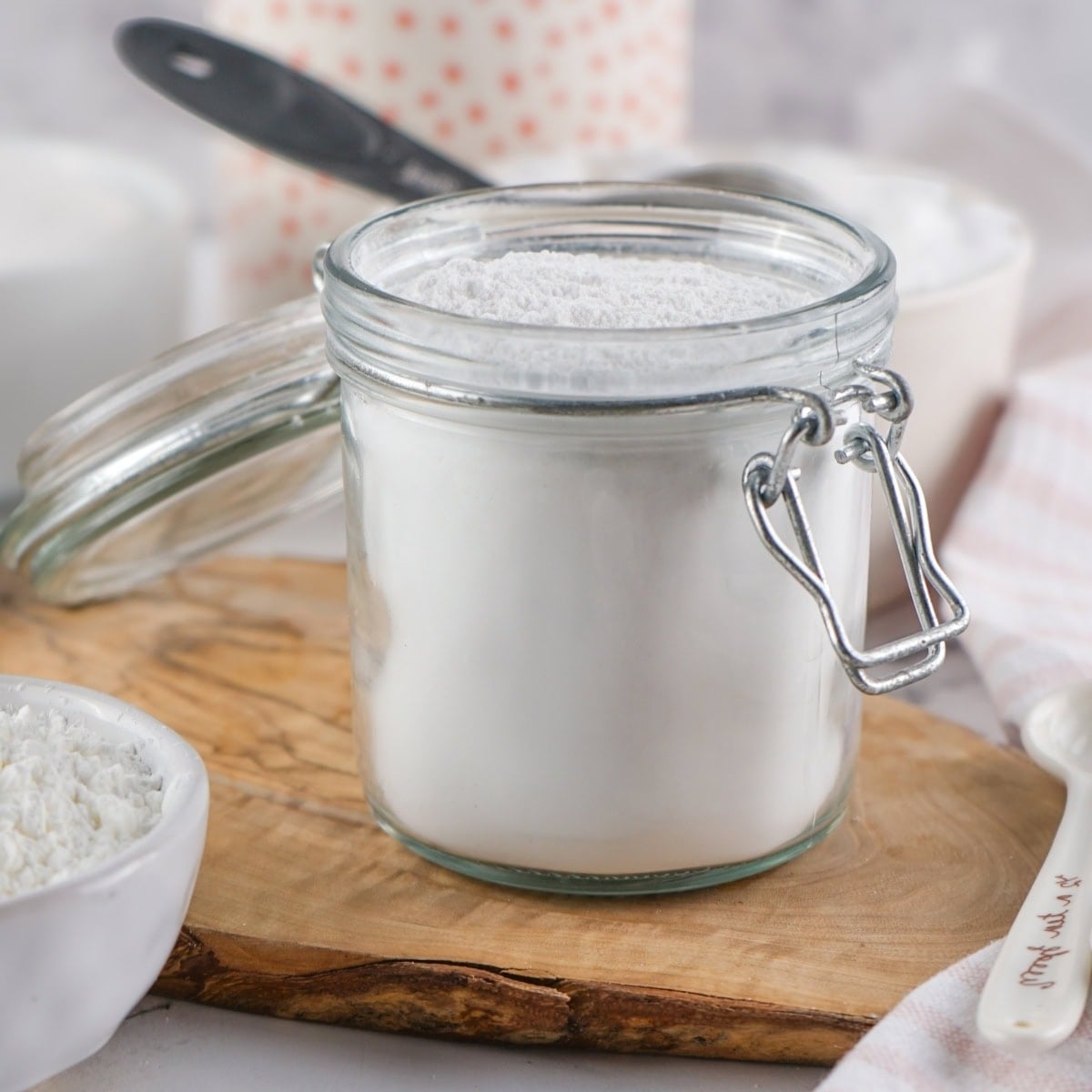
- Storage: Store this rice flour alternative in an airtight container or jar in a cool, dry place. It will stay fresh for several months.
- Storage Container: Choose a container that is the correct size for your flour. Pick one that will hold 2 cups of flour with room for shaking. I use a glass or ceramic canister or mason jar.
Serving Suggestions
Do you love baked goods as much as I do? You can use this homemade gluten-free alternative in delicious baked goods recipes like these Gluten-Free Chocolate Chip Cookies or these Rice Krispies Cookies with Chocolate Chips. There are so many other great recipes with which to use this gluten-free option, and these are just a couple of my favorites.
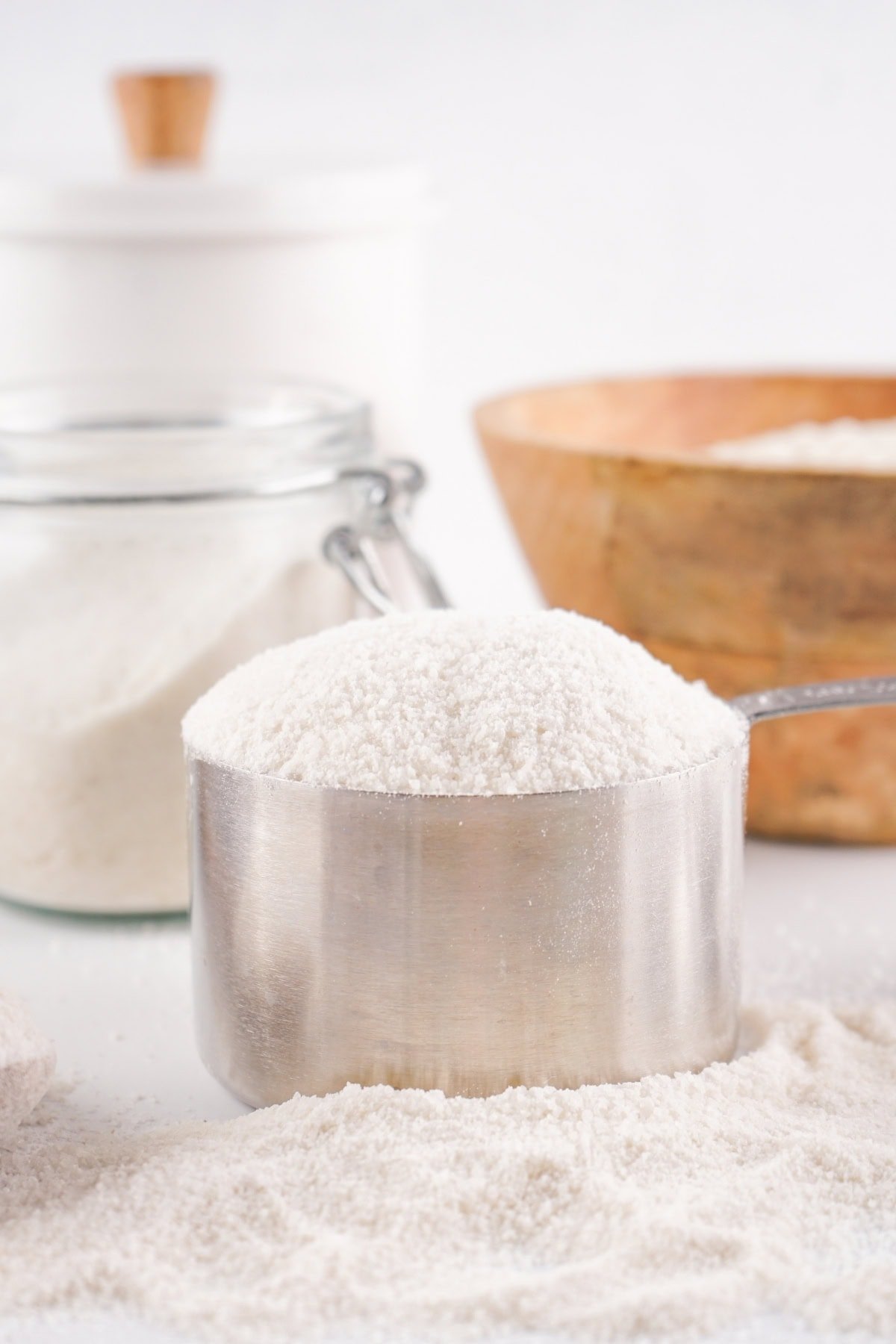
When to Use Each Rice Flour Substitute
Understanding which substitute works best for different cooking methods will help you choose the right option every time.
For Baking
- Cookies and Quick Breads: Almond flour or all-purpose flour work best. Almond flour creates tender, rich cookies while all-purpose flour provides more structure.
- Cakes and Muffins: Combine tapioca flour with almond flour (50/50 ratio) for the best texture. This combination mimics rice flour’s light, tender crumb.
- Pancakes and Waffles: Coconut flour works wonderfully but reduce the amount and increase liquids. All-purpose flour is also excellent for fluffy pancakes.
For Frying and Coating
- Crispy Coatings: Cornstarch creates the crispiest results, perfect for tempura-style batters or coating Air Fryer Greek Chicken Kabobs.
- Breading: All-purpose flour mixed with a bit of cornstarch (3:1 ratio) gives you both flavor and crispiness.
For Thickening
- Clear Sauces: Potato starch or tapioca flour create glossy, clear finishes perfect for Asian-style sauces.
- Gravies and Stews: All-purpose flour or cornstarch work well, with cornstarch creating a smoother texture.
- Fruit Fillings: Tapioca flour is ideal for pie fillings as it thickens without making the filling cloudy.
Gluten-Free Rice Flour Substitute Options
For those following a gluten-free diet, rice flour is often a staple ingredient. Here are the best gluten-free alternatives that won’t compromise your dietary needs.
Top Gluten-Free Substitutes
- Almond Flour – The most versatile gluten-free option that adds richness and works in most baking applications. It’s particularly excellent in cookies and quick breads.
- Coconut Flour – Perfect for those also following keto or paleo diets. Remember it’s highly absorbent, so adjust your liquid ratios accordingly.
- Potato Starch – Excellent for creating light, fluffy textures in baking and unbeatable for thickening applications.
- Tapioca Flour – Creates chewy textures and works well in combination with other gluten-free flours.
- Homemade Rice Flour – Your closest match to store-bought rice flour, ensuring authentic results in traditional recipes.
Gluten-Free Baking Tips
When substituting rice flour in gluten-free baking, consider these important tips:
- Combine flours for best results: Single-flour substitutions rarely match the original texture. Try combining almond flour with tapioca starch (70/30 ratio) for excellent results.
- Add binding agents: Since you’re missing rice flour’s natural binding properties, consider adding xanthan gum (1/4 teaspoon per cup of flour) to help hold your baked goods together.
- Adjust liquids: Gluten-free flours absorb liquids differently. Coconut flour needs more liquid, while almond flour may need slightly less.
- Let batters rest: Allow gluten-free batters to sit for 10-15 minutes before baking to let the flours fully hydrate.
Recipe Adaptations for Gluten-Free Substitutes
- For Cookies: Use almond flour with a 1:1 substitution, but add an extra egg if the dough seems too crumbly.
- For Pancakes: Coconut flour works wonderfully – use 1/4 cup coconut flour to replace 1 cup rice flour and add extra eggs and liquid.
- For Breading: Combine cornstarch with almond flour (50/50) for crispy, gluten-free coating.
- For Sauces: Potato starch and tapioca flour both thicken beautifully without gluten concerns.
These gluten-free alternatives ensure you can continue enjoying your favorite recipes while maintaining your dietary requirements. Whether you’re making Gluten-Free Apple Cinnamon Streusel Muffins or need a coating for your next batch of Hot Cheeto Chicken Tenders, these substitutes will deliver delicious results.
The key to successful gluten-free substitution is understanding each flour’s unique properties and adjusting your technique accordingly. With a little practice, you’ll find these alternatives can often create even better results than the original rice flour!
Recipe FAQs
Rice flour is made from finely ground rice grains. It can be made from different types of rice, such as white or brown rice. The type of rice used will affect the texture and taste of the flour.
Rice flour can be substituted for all-purpose flour in some recipes, but it’s important to keep in mind that rice flour has a different texture and may affect the final outcome.
Yes, you can make bread dough with this rice flour alternative. However, it may require a different baking technique and additional ingredients to achieve the desired texture and rise.
To get a fine rice flour, you can use a high-quality spice grinder.
Yes, rice flour is naturally gluten-free as it is made from ground rice grains. It is a great alternative for those with celiac disease or gluten intolerance.

Rice Flour Alternative
Equipment
Ingredients
- 2 Cups Long Grain White Rice
Instructions
- Place the rice in your grinder and grind for about 15 seconds or until a fine powder.
- Sift the flour if desired to get rid of any clumps.
- Store in an airtight container, in a cool, dry area for up to 5 months.
Notes
- Most spice grinders can not handle 2 cups at one time, so you will need to do this in batches depending on the size of your spice grinder.
- I don’t recommend freezing this flour, as it can affect the quality.
- I do not rinse my rice before making rice flour. If you do rinse yours, you will need to make sure that it is fully dry before you start.
- There is no need to soak the rice to soften it. The spice grinder will do the work.
- You will get as fine of flour if you use a blender or a food processor. A spice grinder really works best.
Nutrition Information
Hungry for more?
Follow me on Pinterest and make sure to comment below!
