Easy Homemade Alfredo Sauce from Scratch

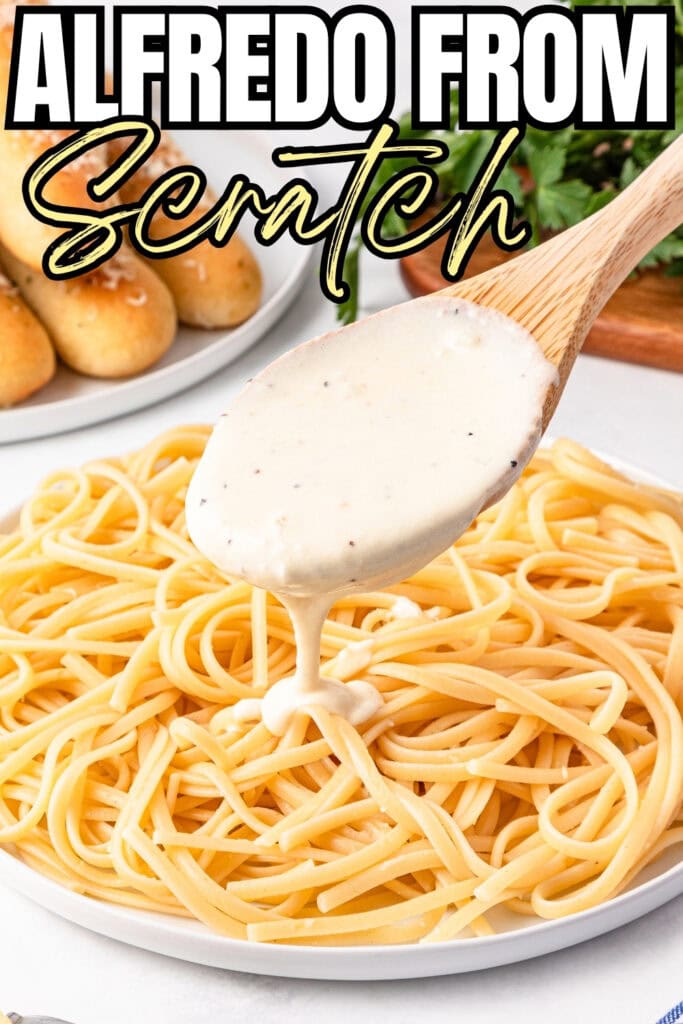

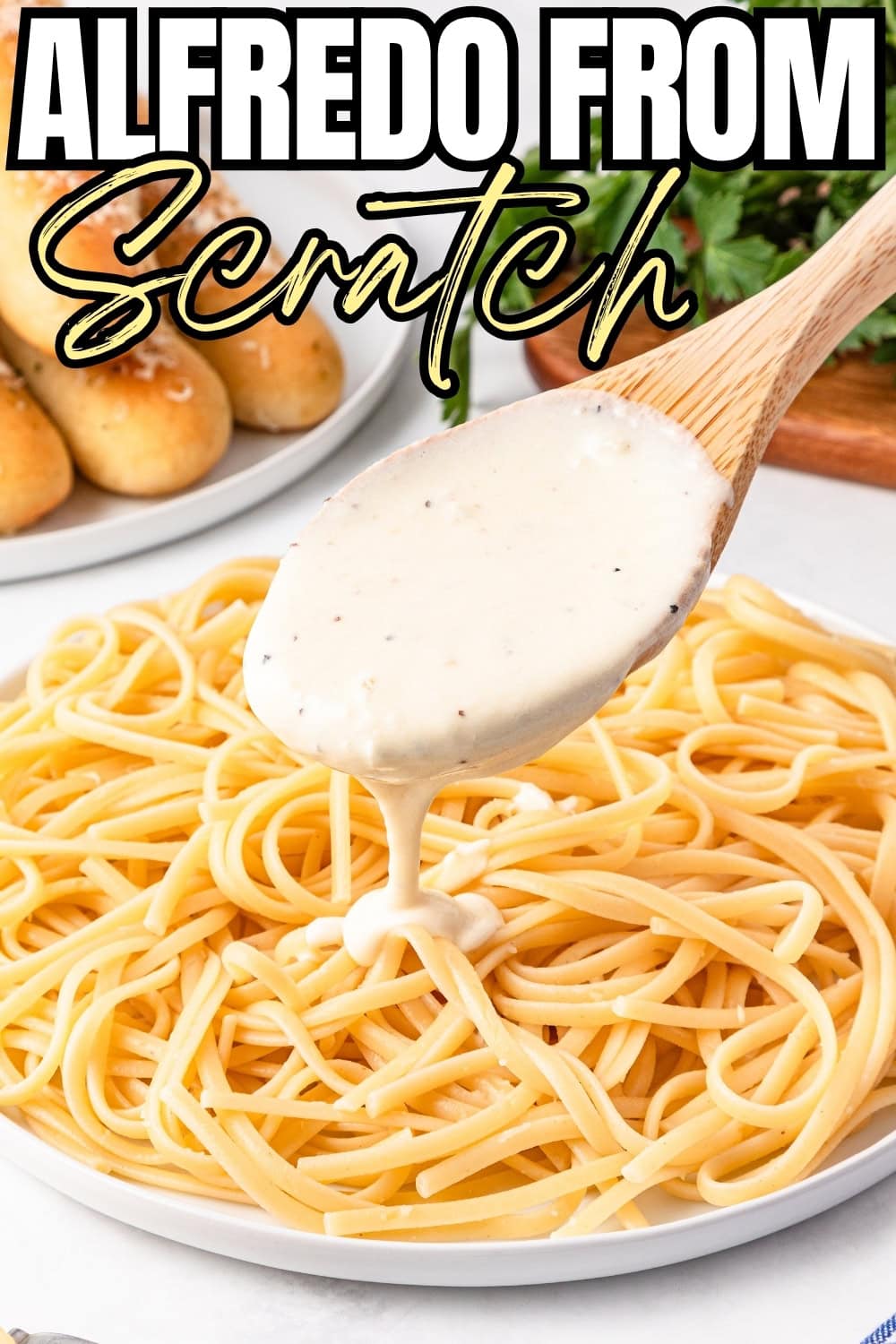
Homemade Alfredo sauce starts with butter, garlic, heavy cream, freshly grated Parmesan, and salt and pepper. It comes together in about 15 minutes and works beautifully with spaghetti, fettuccine, or penne. Here’s what each ingredient does, how to keep the sauce smooth, and how to fix common problems.

Save This Post!
Homemade alfredo sauce is one of those recipes that feels impressive but is genuinely simple once you understand the method. Get the technique down with the easy alfredo sauce recipe, then use it as a jumping-off point for everything from weeknight pasta to baked casseroles to white pizza nights.
Alfredo Sauce Ingredients
- Butter: Creates the rich base.
- Garlic: Adds flavor.
- Heavy cream: Gives the sauce body.
- Freshly grated Parmesan: Adds savory flavor and melts into the sauce.
- Salt and pepper: Adjust to taste.
For exact measurements and step-by-step instructions, see my easy Alfredo sauce recipe.
For the Parmesan, freshly grated is non-negotiable. Pre-shredded cheese contains anti-caking agents that prevent it from melting smoothly, which means you’ll end up with a grainy sauce instead of a velvety one. Take the two extra minutes to grate it yourself from a block and you’ll notice the difference immediately.

Heavy cream gives you the richest, most stable sauce. You can substitute half-and-half for a lighter result, but the sauce won’t be as thick, and you may need a cornstarch slurry to help it come together.
What Is Alfredo Sauce?
Alfredo sauce is a rich, creamy pasta sauce with Italian roots. The original Roman version was nothing more than butter and Parmesan cheese tossed together with hot pasta water — the starch and fat emulsifying into a silky coating. The American version, which is what most of us grew up with, adds heavy cream to the mix, making it richer and more stable.
At its core, the sauce is all about fat and dairy working together. Butter provides the base, heavy cream adds body, and Parmesan brings the savory, salty, slightly nutty flavor that makes the whole thing come together. It’s a cream-based sauce, which means it behaves differently than a tomato sauce — it’s sensitive to heat and needs a gentle hand to stay smooth and glossy rather than greasy or grainy.
The Basics of Making Alfredo Sauce
The Technique
Making Alfredo sauce is less about following steps and more about controlling temperature. Low and slow is the approach — the cream should never boil, and the cheese should be added gradually off the heat or over very low heat.
Start by melting your butter in a skillet over medium-low heat, then add minced garlic and let it soften for a minute or two until fragrant. Pour in the heavy cream and let it warm through — you want it steaming but not bubbling.
Take the pan off the heat and start adding your freshly grated Parmesan in small handfuls, whisking as you go. Season with salt and pepper, and within minutes you’ll have a sauce that’s rich, smooth, and restaurant-quality.
That’s really the whole method. The most common mistake people make is cranking up the heat to speed things along, which causes the fat to separate and the cheese to turn grainy. If that happens, don’t panic — check out how to fix a broken sauce for easy rescue tips.
How to Use the Sauce Immediately
Alfredo sauce is best served the moment it’s made. It thickens as it sits and doesn’t reheat as gracefully as a tomato-based sauce, so plan to have your pasta ready when the sauce is done. Reserve a cup of pasta water before draining — it’s starchy and slightly salty, and adding a splash to the pan as you toss the pasta helps everything come together and keeps the sauce loose and creamy.

Toss the hot pasta directly into the sauce over low heat, adding pasta water a tablespoon at a time until you reach the consistency you want. Serve immediately with extra Parmesan and a crack of black pepper.
How to Use Homemade Alfredo Sauce
Can You Use Alfredo Sauce With Spaghetti?
Yes! Alfredo sauce coats spaghetti beautifully. Cook the spaghetti until al dente, then toss it directly with the warm sauce. Add reserved pasta water a tablespoon at a time if needed to loosen the coating, and serve immediately.
Classic Fettuccine Alfredo
This is the obvious starting point, and for good reason — the broad, flat shape of fettuccine is ideal for catching and holding the creamy sauce. You can use fresh pasta or dried; just make sure it’s cooked al dente so it doesn’t turn mushy when tossed with the warm sauce.
Chicken Alfredo
Adding chicken is the most popular way to turn alfredo sauce into a full meal. For a weeknight version that’s completely hands-off, the Instant Pot Chicken Alfredo with Pasta is a one-pot winner — tender chicken, creamy sauce, and pasta all cooked together in about 30 minutes. It’s the kind of recipe the whole family asks for on repeat.

Baked Pasta Dishes
Alfredo sauce works beautifully as the base for baked pasta. Baked Ziti with White Alfredo Sauce layers the sauce with ziti, mozzarella, cottage cheese, and Parmesan for a bubbling, golden casserole that’s easy to make ahead. It’s the perfect recipe when you want something hearty but don’t want to fuss with a red sauce.
As a Pizza Sauce
Swap the tomato sauce on your next homemade pizza for alfredo, and you’ll wonder why you didn’t do it sooner. White pizza with alfredo, mozzarella, roasted garlic, and a sprinkle of fresh parsley is a revelation. The sauce also works as a dip for Italian breadsticks — arguably a better pairing than marinara.
Other Pasta Shapes and Dishes
Penne, bow ties, and linguine all work well with Alfredo sauce. For something a little more elevated, Chicken Cordon Bleu Pasta uses a cream sauce that’s closely related to Alfredo and is one of the most impressive weeknight dinners you can put on the table.

Alfredo Sauce Variations
Lighter Alfredo
For a sauce that feels a little less heavy, swap heavy cream for half-and-half and reduce the butter slightly. Adding a small amount of cream cheese (2-3 oz) helps compensate for the lower fat content and gives the sauce a pleasantly tangy richness. It won’t be quite as silky as the original, but it’s a solid everyday option.
Spicy Alfredo
Add a pinch of red pepper flakes or a dash of cayenne when you’re cooking the garlic. The heat plays beautifully against the richness of the cream and Parmesan, and it gives the sauce a little personality without overwhelming the flavor. This is especially good under grilled shrimp.
Garlic Alfredo
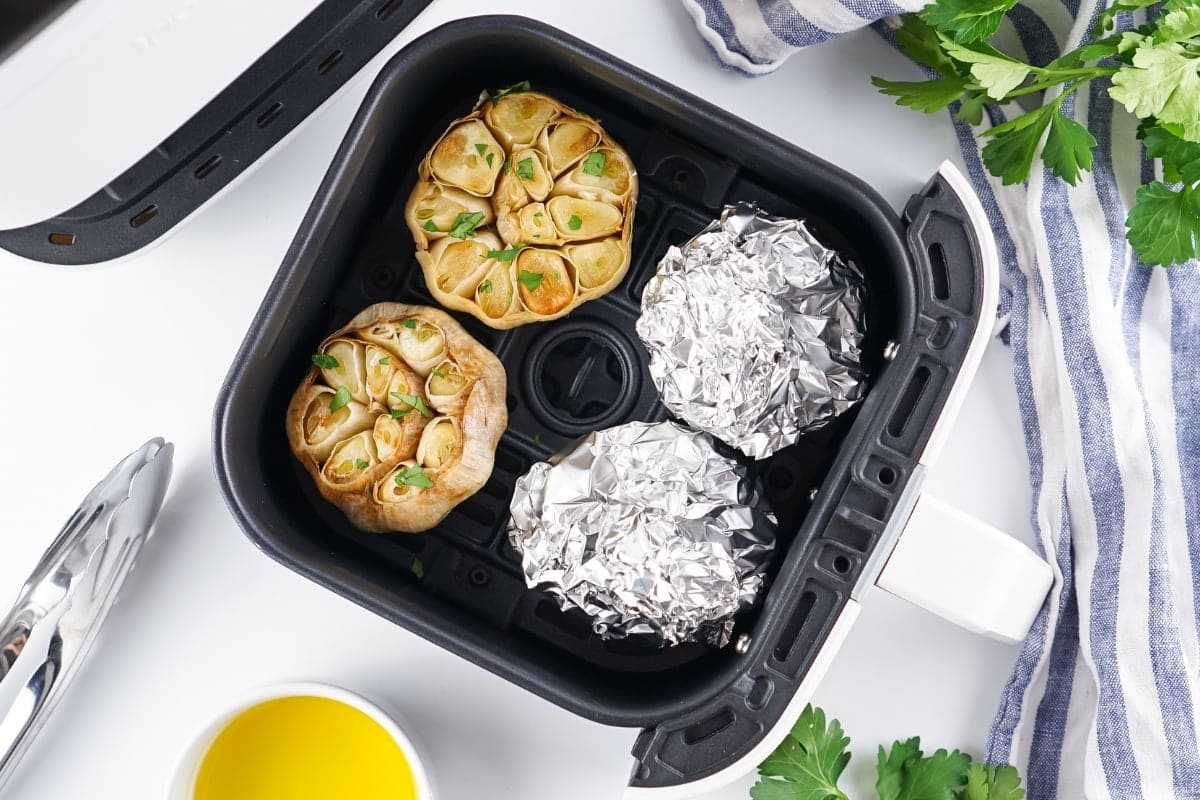
The base recipe includes garlic, but you can lean into it even more by using air fryer roasted garlic instead of raw minced garlic. Roasted garlic is sweeter, deeper, and less sharp — it adds a mellow, caramelized note that takes the sauce to another level. Squeeze the whole head right into the cream and let it dissolve as you whisk.
Asiago or Romano Variation
Swap out half the Parmesan for Asiago or Pecorino Romano for a sharper, more assertive sauce. Asiago melts nearly as well as Parmesan and has a slightly nuttier, earthier flavor. Pecorino adds a punchier saltiness — just go easier on any additional salt in the recipe.
Mushroom Alfredo
Sauté sliced cremini or shiitake mushrooms in a separate pan with butter and garlic until golden, then stir them into the finished sauce. The mushrooms add an earthy, meaty quality that makes the sauce feel more substantial without adding any extra effort.
Storing Alfredo Sauce
- Storage: Allow the sauce to cool completely before storing. Cream-based sauces need to be handled carefully to keep them from separating.
- Refrigerator: Store in an airtight container for up to 3–4 days.
- Freezing: Not recommended — cream sauces tend to separate when frozen and thawed, resulting in a grainy or watery texture.
- Reheating: Warm gently over low heat on the stovetop, whisking frequently and adding a splash of milk or cream to bring the sauce back together. Avoid the microwave if you can, as it tends to overheat and break the sauce.
What to Serve With Alfredo Dishes
A creamy pasta dish calls for sides that balance out the richness. Homemade garlic bread is always the right call — something warm and crusty to scoop up any sauce left in the bowl. If you want a cheesier option, cheesy garlic pull-apart bread is hard to beat alongside a bowl of alfredo pasta.
A simple green salad with a light vinaigrette cuts through the richness nicely. Steamed or roasted broccoli also pairs really well — the slight bitterness of the broccoli is a natural foil for the creamy sauce, and it makes the meal feel a little more balanced.
For a full Italian-inspired spread, serve with a side of homemade marinara for dipping and let everyone customize their own plate.
FAQs
This almost always comes down to heat. If the cream gets too hot before the cheese goes in, or if you add the cheese too quickly, the proteins in the Parmesan can seize up and separate from the fat. Always add cheese off the heat or over very low heat, a little at a time, whisking as you go.
You can, but the sauce will be much thinner and more prone to breaking. If you want to use a lighter dairy option, half-and-half is a better choice. Adding a small amount of cream cheese helps compensate for the lower fat content and keeps the sauce creamy.
It’s best made fresh, but you can make it up to a day ahead and store it in the fridge. Reheat it slowly over low heat with a splash of cream or milk, whisking constantly to bring it back together.
Let it simmer gently over low heat for a few extra minutes — as the cream reduces, the sauce will thicken. You can also mix a teaspoon of cornstarch with a tablespoon of cold water and whisk it into the warm sauce, then let it cook for another minute or two.
Pre-shredded or powdered Parmesan contains anti-caking agents that prevent smooth melting. The sauce will likely turn out grainy or clumpy. For the best results, grate a block of Parmesan yourself right before making the sauce.
Alfredo thickens as it stands. Gently stir in milk or reserved pasta water, one tablespoon at a time, until it coats the pasta easily.
Remove the pan from the heat and try whisking in a tablespoon of cold cream. This may help bring the sauce together.