
How to Stop Apples Going Brown: 7 Simple Methods That Actually Work


Learning how to stop apples going brown is one of those simple kitchen skills that makes a huge difference in your daily cooking and meal prep. Nothing ruins the appeal of a fresh apple quite like those unappealing brown spots that appear within minutes of slicing.
Save This Post!
The good news is that preventing apple browning is easier than you might think, and you probably already have everything you need right in your kitchen. Whether you’re packing apple slices for lunch boxes, prepping them for your apple feta stuffed pork tenderloin, or making fireball apple bread pudding, these methods work with any variety.
Cooking with Apples
When you cut into an apple, enzymes in the fruit react with oxygen in the air to create that brown color—a process called enzymatic browning. While it doesn’t make the apple unsafe to eat, it certainly makes it less appetizing. Let’s explore the most effective ways to keep your apple slices looking fresh and crisp.
If you’re wondering about the best apples for recipes or need an apple substitute in a pinch, those guides can help you choose the right fruit for your needs. And once you’ve mastered keeping cut apples fresh, check out how to store apples long-term to make the most of your apple haul.
Use Lemon Juice (The Classic Method)
Lemon juice remains one of the most reliable ways to prevent apples from turning brown. The citric acid in lemon juice lowers the pH level on the apple’s surface, which slows down the oxidation process dramatically. Simply mix one tablespoon of lemon juice with one cup of cold water, then soak your apple slices for 3-5 minutes.
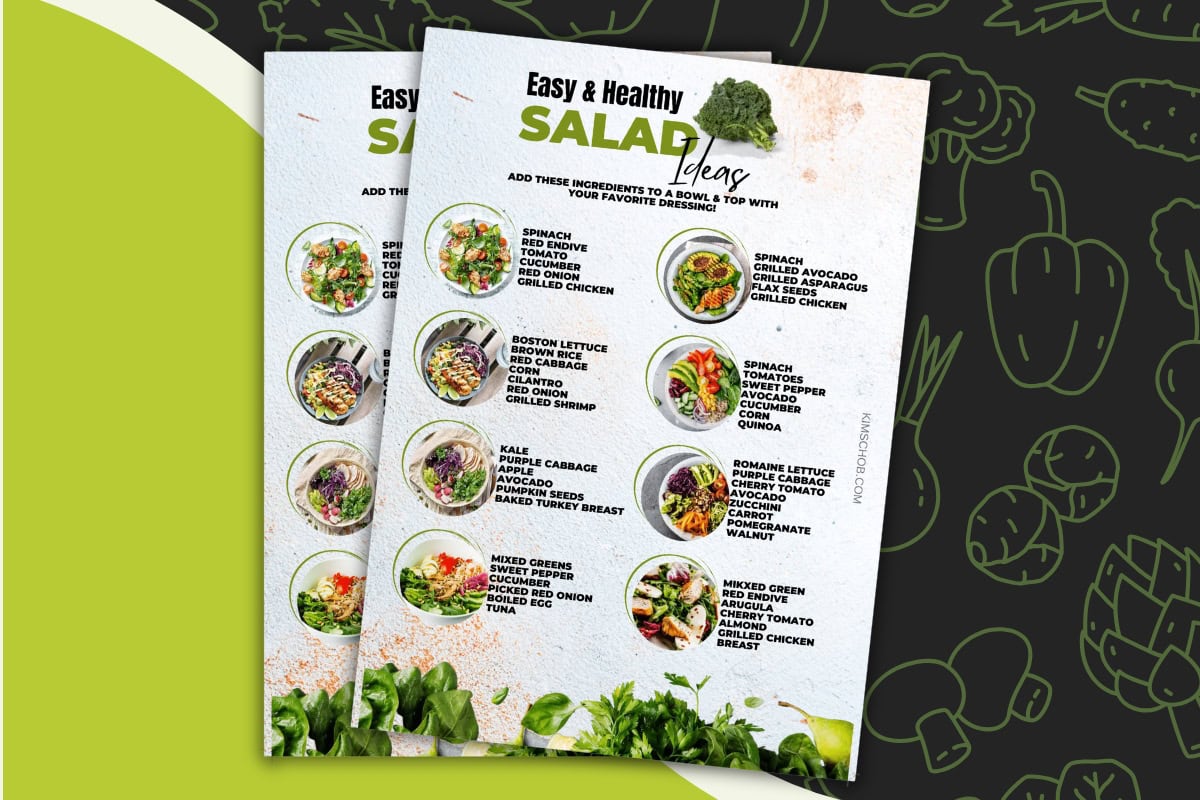
The beauty of this method is that it barely affects the apple’s taste—you’ll only notice a subtle tartness that most people find pleasant. This works exceptionally well when you’re preparing apples for snacking or adding them to salads like those in your meal prep salad ideas.
Try Salt Water Solution
A salt water bath might sound unusual, but it’s incredibly effective at preventing browning. Mix half a teaspoon of salt into one cup of cold water and soak your apple slices for 3-5 minutes. The salt creates a barrier that prevents oxygen from reaching the apple’s surface.
After soaking, give the apples a quick rinse with fresh water to remove any salty taste. This method is perfect when you don’t want any flavor alteration at all. The apples will stay fresh-looking for several hours, making it ideal for packed lunches or picnic spreads.
Apply Honey Water
For a naturally sweet solution to apple browning, honey water is your friend. Mix two tablespoons of honey with one cup of water, then submerge your apple slices for 30 seconds. The honey creates a protective coating while adding a subtle sweetness.
This method works beautifully when you’re preparing apples for desserts or want to make healthy snacks more appealing to kids. The slight honey flavor complements the apple’s natural sweetness without overwhelming it. Plus, honey has natural antimicrobial properties that help keep the fruit fresh.
Use Carbonated Water
Plain carbonated water or club soda offers a quick fix for preventing apple browning. The carbon dioxide in the bubbles creates a temporary barrier against oxidation. Simply submerge your apple slices in carbonated water for 3-5 minutes.
This method is particularly convenient because carbonated water doesn’t add any flavor to your apples. It’s a great option when you want the fruit to taste exactly as nature intended. The effect lasts for a few hours, which is usually sufficient for most serving situations.

Cover with Plastic Wrap
Sometimes the simplest solution is the best one. If you’re storing cut apples in the refrigerator, press plastic wrap directly onto the cut surfaces to minimize air exposure. This physical barrier prevents oxygen from reaching the fruit and triggering the browning reaction.
This method works well for short-term storage—think a few hours rather than all day. It’s perfect when you’re doing some prep work for mulled apple cider or need to slice apples ahead of time for a recipe.
Keep Apples Submerged in Water
Plain cold water can slow down browning, though not as effectively as the methods above. If you’re in a pinch and don’t have lemon juice or other ingredients on hand, submerging apple slices in a bowl of cold water will buy you some time.
Change the water every 30 minutes for best results. This method is most useful for very short-term storage while you’re actively working in the kitchen. The apples will eventually brown, but you’ll have delayed the process enough to finish your cooking or serving preparations.
Store in Airtight Containers
Reducing air exposure is key to preventing browning. After treating your apples with one of the methods above, store them in airtight containers or zip-top bags with as much air removed as possible. This double protection—treatment plus sealed storage—keeps apples looking fresh for the longest time.
This approach is essential when you’re preparing apple slices for lunch boxes or meal prep. The combination of a protective treatment and minimal air exposure can keep your apples looking fresh for 12-24 hours or even longer when refrigerated.

Choosing the Right Method for Your Needs
The best method for preventing apple browning depends on how you plan to use your apples. For raw snacking, lemon juice or salt water works beautifully without adding unwanted sweetness. When preparing apples for desserts, honey water adds a complementary flavor. If you’re slicing apples for cooking, the method matters less since they’ll be heated anyway.
Timing matters too. For immediate serving, a quick dip in any of these solutions works fine. For longer storage, combine your chosen method with airtight containers and refrigeration. The apples should stay fresh-looking and delicious for up to 24 hours.
FAQs
Most treatment methods keep apples from browning for 4-8 hours at room temperature, or up to 24 hours when refrigerated in an airtight container. Lemon juice and salt water tend to provide the longest-lasting protection.
Some apple varieties naturally brown more slowly than others. Granny Smith and Pink Lady apples have higher acid content, which slows browning. However, all cut apples will eventually brown without treatment, regardless of variety.
Yes, bottled lemon juice works just as well as fresh for preventing apple browning. The citric acid concentration is similar, and many people find bottled juice more convenient for this purpose.
A brief soak (3-5 minutes) won’t significantly affect the apple’s crisp texture. Longer soaking times may slightly soften the fruit, so stick to the recommended times for best results.
You can combine methods for extra protection—for example, treating apples with lemon juice and then storing them in airtight containers with plastic wrap pressed against the surface. This double approach works well for longer storage periods.
Need More How-To Guides? Try These:


