
How to Use Pasta Water: The Secret Ingredient Hiding in Your Pot

You’ve probably been dumping one of the most useful cooking ingredients straight down the drain. That starchy, cloudy water left in your pot after cooking pasta isn’t waste—it’s liquid gold that can transform your pasta dishes from good to restaurant-quality. Learning to use pasta water properly is one of those game-changing kitchen techniques that separates home cooks from the pros.
Save This Post!
The beauty of pasta water lies in its simplicity. As pasta cooks, it releases starch into the water, creating a naturally thickened liquid that’s perfectly seasoned (if you salted your water properly). This starchy water acts as an emulsifier, helping oil-based sauces cling to your noodles instead of sliding right off. The result? Every bite is coated in flavor, and your sauce has that silky, cohesive texture you get at Italian restaurants.
Why Pasta Water Works So Well
Pasta water contains two key elements that make it a kitchen powerhouse: starch and salt. The starch acts as a natural thickener and helps bind sauces to pasta, while the salt seasons your dish from within. When you add pasta water to your sauce, you’re not just thinning it out—you’re creating a chemical bond that helps fat and water molecules play nicely together.
Think of it like this: oil and water naturally separate, but add some starch into the mix, and suddenly they can coexist in perfect harmony. This is why when you make Baked Ziti with Alfredo Sauce, adding a splash of pasta water to your white sauce creates that glossy, restaurant-quality finish.

The starch concentration in pasta water increases as the cooking process continues. This is why many chefs recommend using the water from the last few minutes of cooking, when it’s at its starchiest. You’ll notice the water looks cloudy and slightly thickened—that’s exactly what you want.
How Much Pasta Water Should You Save?
Before you drain your pasta, always reserve at least one cup of pasta water. This might seem like more than you need, but it’s better to have extra than to run short. You can always pour the unused portion down the drain, but you can’t get it back once it’s gone.
For most pasta dishes, you’ll use anywhere from a few tablespoons to half a cup of pasta water. The exact amount depends on your sauce consistency and how much pasta you’re working with. When making Caribbean Rasta Pasta with Jerk Chicken, start with a quarter cup and add more as needed to achieve that perfect creamy consistency.

Keep a heatproof measuring cup or small bowl near your stove before you start draining. This simple habit ensures you never forget to save your pasta water in the rush of getting dinner on the table.
Using Pasta Water in Cream-Based Sauces
Cream sauces benefit tremendously from pasta water. The starch helps prevent the sauce from breaking or becoming greasy, while adding body without extra heaviness. When you’re making Instant Pot Creamy Tortellini or any Alfredo-style dish, adding pasta water creates that perfect velvety texture.
Start by adding just a few tablespoons of pasta water to your cream sauce while it’s still in the pan. Stir it in gradually, allowing each addition to incorporate fully before adding more. The sauce should coat the back of a spoon without being thick or gloppy.
The pasta water also helps loosen thick cream sauces that have reduced too much. If your Chicken Cordon Bleu Pasta sauce becomes too thick while the pasta finishes cooking, a splash of pasta water brings it back to the perfect consistency without diluting the flavor.

Making Oil-Based Sauces Shine
This is where pasta water really shows its magic. Oil-based sauces like aglio e olio (garlic and oil) or simple lemon pasta can separate and feel greasy without proper emulsification. The starch in pasta water creates a light, clingy sauce that coats every strand.
For dishes like Lemon-Garlic Jumbo Shrimp served over pasta, add pasta water to the pan with your garlic and oil mixture. The water will emulsify with the oil, creating a cohesive sauce rather than oily noodles with garlic floating on top.
The technique is simple: after draining your pasta (but while it’s still quite wet), add it directly to your pan with the oil and aromatics. Then add pasta water, a few tablespoons at a time, while tossing constantly. The combination of residual moisture on the pasta, the oil, and the pasta water creates an emulsion that clings to each piece.
Adjusting Tomato-Based Sauces
Tomato sauces can benefit from pasta water too, though the technique differs slightly. If your marinara or tomato sauce is too thick, pasta water helps thin it to the right consistency without making it watery like plain water would.
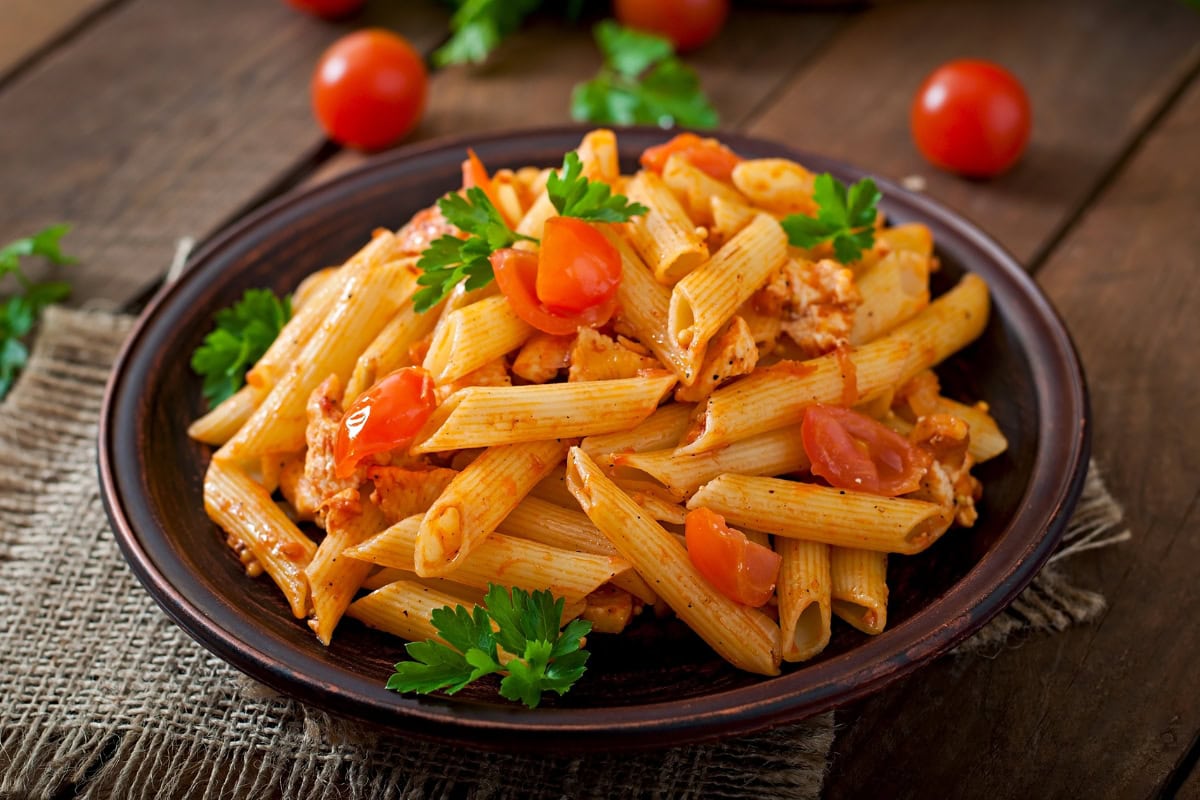
When preparing Instant Pot Italian Chicken Penne Pasta, adding a splash of pasta water to your tomato sauce helps it coat the penne better. The starch helps the sauce grab onto those ridged tubes, ensuring flavor in every bite.
For chunky tomato sauces, pasta water also helps distribute the ingredients more evenly. The sauce becomes more cohesive rather than having separated liquid at the bottom and chunks on top.
Finishing Pasta in the Pan
Professional chefs rarely drain pasta completely and simply pour sauce over it. Instead, they finish cooking the pasta in the sauce itself, using pasta water to adjust consistency. This technique, called “finishing in the pan,” allows the pasta to absorb flavor while creating a unified dish.
Here’s how it works: drain your pasta when it’s still slightly underdone (about one minute before al dente). Add it directly to your pan of sauce along with a generous splash of pasta water. Cook everything together over medium-high heat, tossing constantly, until the pasta finishes cooking and the sauce reaches the perfect consistency.
Reviving Leftover Pasta
Leftover pasta tends to absorb sauce and dry out in the refrigerator. Pasta water (or a starchy water made from boiling new pasta) can bring leftovers back to life. When reheating pasta, add a few tablespoons of fresh pasta water to the pan. The starch rehydrates the noodles and helps reconstitute the sauce.
This technique works whether you’re reheating in a pan on the stovetop or in the microwave. Just add the pasta water before heating, and your leftovers will taste nearly as good as they did the first time around.
For pasta salads like Dill Pasta Salad or Easy Deviled Egg Pasta Salad, you won’t need pasta water since these dishes are served cold, but understanding how pasta absorbs liquid helps you adjust the dressing accordingly.

Troubleshooting Common Pasta Water Mistakes
The most common mistake is forgetting to save pasta water altogether. Set yourself up for success by placing your measuring cup right next to the colander before you start cooking. Make it part of your routine, and eventually it’ll become second nature.
Another mistake is adding too much pasta water at once. Always start with less than you think you need. You can add more, but you can’t take it away. Add pasta water gradually, a few tablespoons at a time, until you reach the desired consistency.
Some cooks worry about their pasta water being too salty. If you’ve salted your cooking water properly (it should taste like the sea), the pasta water will enhance your dish rather than oversalt it. Remember, you’re using small amounts, and the salt is already incorporated into the pasta itself.
When Not to Use Pasta Water
While pasta water is incredibly useful, there are times when you don’t need it. Cold pasta salads, for instance, don’t benefit from added pasta water since you’re not creating an emulsified sauce. The mayonnaise or dressing in salads already provides moisture and helps everything bind together.
Baked pasta dishes like lasagna typically don’t need pasta water either. These dishes cook with plenty of liquid already, and adding more could make them watery.
If you’re making pasta for a cold dish, you’ll actually want to rinse the pasta after draining to stop the cooking process and remove excess starch. This prevents the pasta from becoming gummy as it cools.

Tips for Perfect Pasta Water Technique
Salt your pasta water generously before adding the pasta. The water should taste pleasantly salty—this is your only chance to season the pasta itself. Undersalted pasta water means bland pasta that no amount of sauce can fully fix.
Time your sauce and pasta so they finish at roughly the same moment. This ensures your pasta goes from pot to pan while it’s still hot and slightly wet, which helps the emulsification process.
Keep the heat on while you’re adding pasta to the sauce and incorporating pasta water. The heat helps the starch activate and bind everything together. If the pan cools too much, you’ll lose that magic emulsification.
Don’t be afraid to add more pasta water than you think you need at first. The sauce should look almost too loose—it will thicken as it coats the pasta and some of the water evaporates.
FAQs
You can store pasta water in an airtight container in the refrigerator for 2-3 days, though the quality and effectiveness decline over time as the starch settles. Give it a good stir before using to redistribute the starch. For longer storage, freeze pasta water in ice cube trays, then transfer the cubes to a freezer bag. Frozen pasta water cubes keep for up to 3 months and are perfect for adding to sauces when you need just a small amount.
Yes, fresh pasta releases more starch than dried pasta, creating a cloudier, starchier cooking water. Dried pasta still releases plenty of starch for most applications. If you’re making filled pastas like ravioli or tortellini, the water will be especially starchy, which is perfect for creating silky sauces.
A good rule of thumb is about 1-2 tablespoons of salt per pound of pasta in 4-6 quarts of water. The water should taste noticeably salty—like seawater. This might seem like a lot, but remember that most of the salt stays in the water and goes down the drain. The pasta itself only absorbs a fraction of it.
No, pasta water and chicken broth serve different purposes in cooking. Chicken broth provides rich, savory flavor and depth that pasta water simply doesn’t have. Pasta water’s strength lies in its starch content, which helps with texture and binding sauces to pasta. If a recipe calls for broth, use broth—pasta water won’t deliver the same taste profile or complexity.
This usually happens when you add too much pasta water at once or your heat is too low. Add pasta water gradually, just a few tablespoons at a time, and keep the heat at medium-high so the water can reduce slightly while emulsifying. The sauce should tighten back up as you toss it with the pasta.
