
Common Substitutions in Baking When You’re Out of Ingredients


We’ve all been there – halfway through measuring ingredients for chocolate chip cookies when we realize we’re out of eggs. Or perhaps you’ve started making a cake only to find your butter supply has dwindled to a single tablespoon. These baking emergencies happen to everyone, but they don’t have to ruin your plans.
Save This Post!
With a few smart ingredient swaps, you can keep baking without making an emergency trip to the grocery store. Let’s explore the most useful substitutions in baking that can save your recipes when you’re in a pinch.
Butter Substitutions
Butter adds richness and moisture to baked goods, but when you’re out, try these alternatives:
Oil
For cakes, quick breads, and muffins, you can substitute cup vegetable oil for cup unsalted butter. This works especially well in recipes where butter is melted anyway.
- Best for: Cakes, brownies, quick breads, and muffins
- Ratio: ¾ cup oil = 1 cup butter
Applesauce
Unsweetened applesauce makes a wonderful butter replacement in many recipes, particularly those that already have a sweet profile. It adds moisture while reducing fat and calories.
- Best for: Muffins, quick breads, and some cookies
- Ratio: 1 cup unsweetened applesauce = 1 cup butter (reduce sugar by ¼ cup)
Coconut Oil
Coconut oil can be substituted 1:1 for butter in most recipes. Use refined coconut oil if you don’t want a coconut flavor in your No Butter Chocolate Chip Cookies or other treats.
- Best for: Cookies, pie crusts, and cakes
- Ratio: 1 cup coconut oil = 1 cup butter

Greek Yogurt
For moisture and tenderness with less fat, try Greek yogurt in your next batch of banana bread.
- Best for: Muffins, quick breads, and pound cakes
- Ratio: ½ cup Greek yogurt = 1 cup butter (may need to add 2 tablespoons water)
Egg Substitutions
Eggs provide structure, moisture, and leavening. When you need an egg replacement, consider:
Flax or Chia Seeds
Mix 1 tablespoon ground flax seeds or chia seeds with 3 tablespoons water and let sit for 5 minutes until gel-like.
- Best for: Cookies, muffins, and quick breads
- Ratio: 1 tablespoon ground seeds + 3 tablespoons water = 1 egg
Yogurt
Plain yogurt or Greek yogurt can replace eggs in many recipes.
- Best for: Cakes, quick breads, and brownies
- Ratio: ¼ cup yogurt = 1 egg
Applesauce
Unsweetened applesauce works as an egg substitute, especially in recipes like Pumpkin Bread Pudding, where moisture is important.
- Best for: Muffins, quick breads, and some cakes
- Ratio: ¼ cup unsweetened applesauce = 1 egg

Mashed Banana
Ripe bananas can replace eggs while adding natural sweetness.
- Best for: Muffins, pancakes, and quick breads
- Ratio: ¼ cup mashed banana = 1 egg
Milk Substitutions
When your recipe calls for milk but your carton is empty, try:
Plant-Based Milks
Almond, soy, oat, or coconut milk can generally substitute for whole milk in equal amounts.
- Best for: Most baking recipes
- Ratio: 1 cup plant milk = 1 cup whole milk
DIY Buttermilk
No buttermilk? Make your own by adding 1 tablespoon lemon juice or white vinegar to 1 cup milk (any type). Let it sit for 5-10 minutes until slightly curdled.
- Best for: Pancakes, biscuits, and Acorn Shaped Mini Pumpkin Muffins
- Ratio: 1 cup milk + 1 tablespoon acid = 1 cup buttermilk

Yogurt + Water
Thin out some yogurt to reach a milk-like consistency.
- Best for: Most baking recipes
- Ratio: ¾ cup plain yogurt + ¼ cup water = 1 cup milk
Flour Substitutions
Different flours serve different purposes. Here’s how to substitute when you’re out of all-purpose flour:
Cake Flour
For a more tender crumb, you can make your own cake flour.
- Best for: Cakes, cupcakes, and delicate cookies
- Ratio: 1 cup all-purpose flour – 2 tablespoons + 2 tablespoons cornstarch = 1 cup cake flour
Bread Flour
If a recipe needs bread flour but you only have all-purpose, you can still proceed.
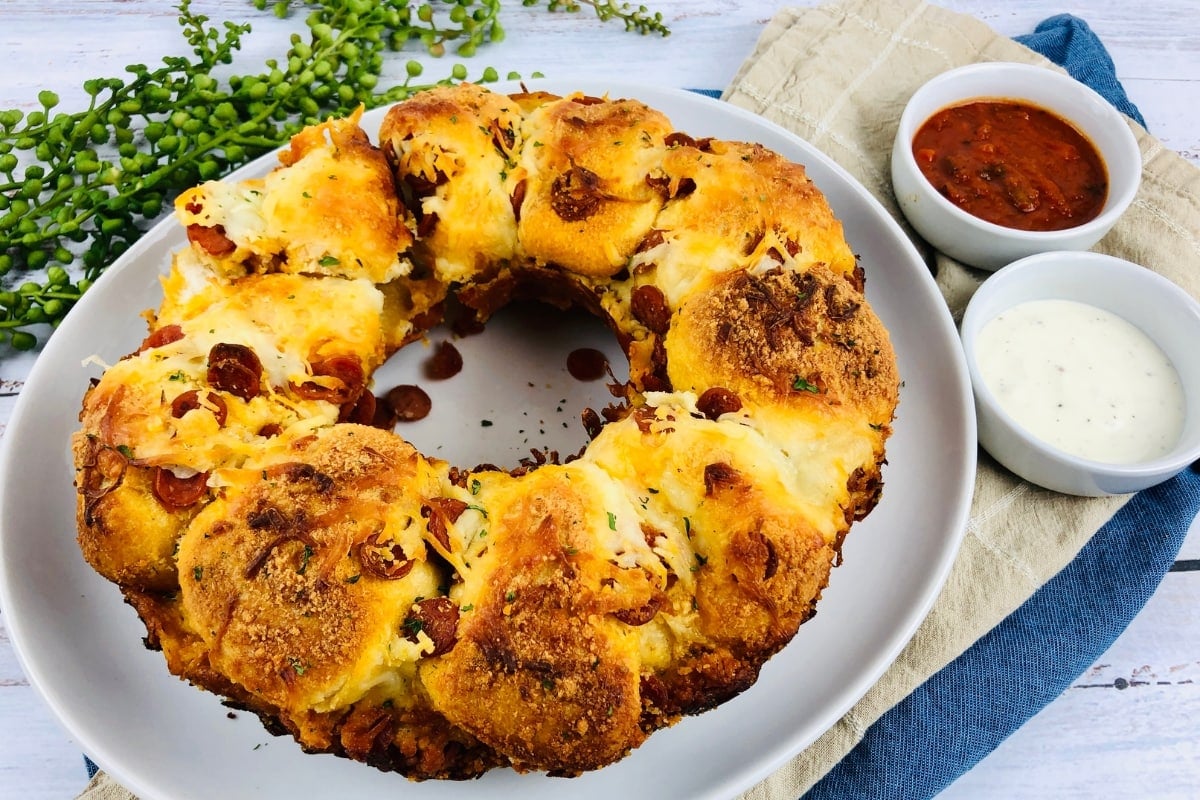
- Best for: Breads, pizza dough, and Pull Apart Pepperoni & Mozzarella Pizza Monkey Bread
- Ratio: 1 cup all-purpose flour = 1 cup bread flour (results will be slightly less chewy)
Self-Rising Flour
Make your own self-rising flour with these pantry staples.
- Best for: Biscuits, pancakes, and simple cakes
- Ratio: 1 cup all-purpose flour + 1½ teaspoons baking powder + ¼ teaspoon salt = 1 cup self-rising flour
Gluten-Free Options
For those avoiding gluten, try these alternatives:
- Almond Flour: Best for cookies and quick breads (not a 1:1 substitute)
- Oat Flour: Great for muffins and cookies
- Rice Flour: Works well when combined with other gluten-free flours
- Chickpea Flour: Good for savory baked goods
Click to grab this handy substitutions in baking printable for FREE so you never get stuck again!

Sugar Substitutions
When you’re craving chocolate chip cookies but are out of white sugar, consider:
Brown Sugar
Brown sugar contains molasses and has a deeper flavor than white sugar.
- Best for: Cookies, cakes, and quick breads
- Ratio: 1 cup white sugar = 1 cup brown sugar (may alter flavor/color)
DIY Brown Sugar
Out of brown sugar? Make your own!
- Best for: Any recipe calling for brown sugar
- Ratio: 1 cup white sugar + 1-2 tablespoons molasses = 1 cup brown sugar
Honey
This natural sweetener works well in many recipes.
- Best for: Quick breads, muffins, and some cookies
- Ratio: ¾ cup honey = 1 cup sugar (reduce other liquids by ¼ cup and add ¼ teaspoon baking soda)
Maple Syrup
Real maple syrup adds a distinctive flavor to baked goods.
- Best for: Pancakes, muffins, and Pumpkin Banana Bread
- Ratio: ¾ cup maple syrup = 1 cup sugar (reduce other liquids by 3 tablespoons)

Leavening Agent Substitutions
Leavening agents help your baked goods rise. Here’s what to do when you’re out:
Baking Powder
No baking powder? Make your own!
- Best for: Any recipe requiring baking powder
- Ratio: ¼ teaspoon baking soda + ½ teaspoon cream of tartar = 1 teaspoon baking powder
Baking Soda
If you’re out of baking soda, you’ll need to adjust.
- Best for: Recipes with acidic ingredients
- Ratio: 2-3 teaspoons baking powder = 1 teaspoon baking soda (results may vary)
Flavor Enhancers and Mix-ins
Don’t let missing flavoring ingredients stop you:
Vanilla Extract
If your bottle of vanilla extract is empty, try:
- 1 teaspoon maple syrup
- ½ teaspoon almond extract
- 1 teaspoon vanilla bean paste
Chocolate
No chocolate chips for your favorite cookies? Try:
- Chopped dark chocolate bars
- 3 tablespoons cocoa powder + 1 tablespoon oil = 1 oz unsweetened chocolate
- White chocolate + cocoa powder (for a makeshift milk chocolate)
Spices
Missing a spice for your pumpkin bread?
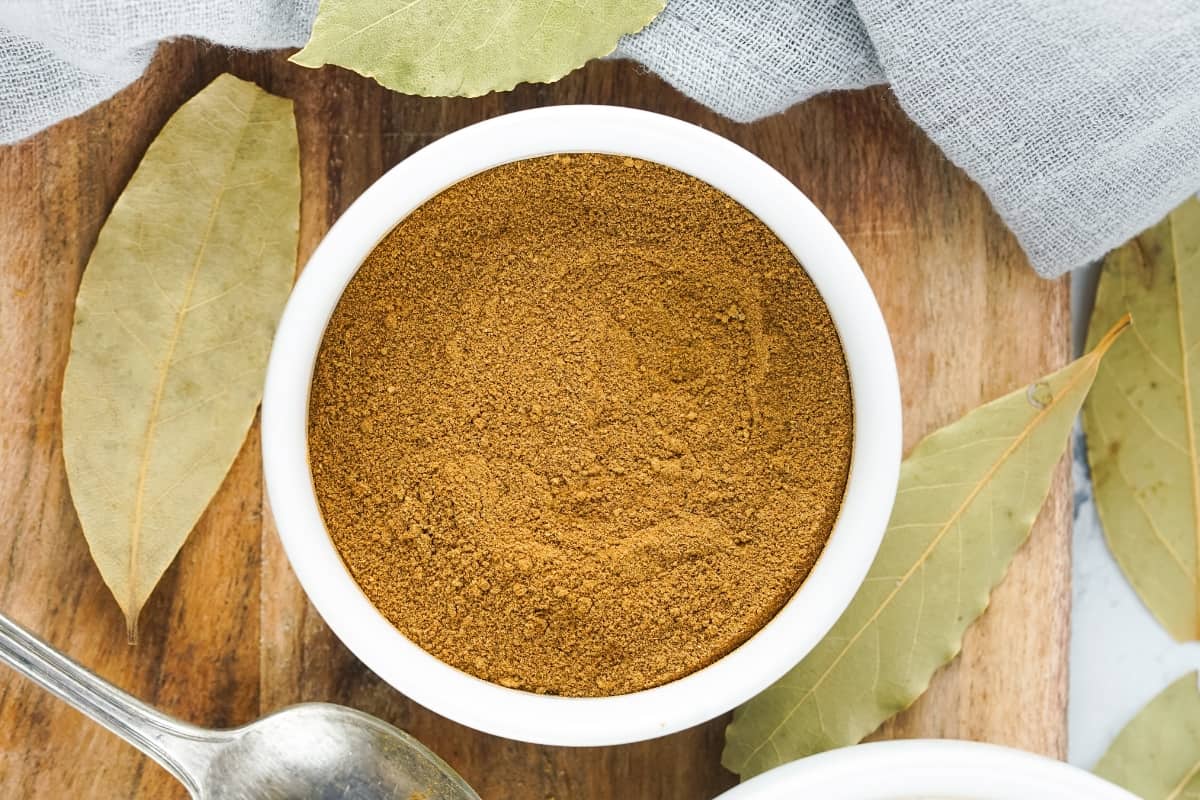
- Pumpkin Pie Spice: Make your own with 1 teaspoon cinnamon + ¼ teaspoon ground ginger + ¼ teaspoon ground nutmeg + ⅛ teaspoon ground cloves. You can check out my full pumpkin pie spice recipe as well for more tips.
- Allspice: ½ teaspoon cinnamon + ⅛ teaspoon ground cloves + ⅛ teaspoon ground nutmeg
Tips for Successful Substitutions
- Start small: When trying a new substitution, test it in a small batch first.
- One at a time: Change only one ingredient per recipe until you know how it affects the outcome.
- Consider the purpose: Think about what function the original ingredient serves in the recipe (structure, flavor, moisture, etc.) and choose a substitute that fulfills the same role.
- Adjust cooking time: Some substitutions may require slightly longer or shorter baking times, so check your baked goods frequently.
- Take notes: Write down which substitutions worked well so you’ll remember for next time.
- Taste test: If possible, taste your batter or dough (when safe) to see if adjustments are needed before baking.
Special Dietary Substitutions
Vegan Baking Substitutions
For those following a vegan diet, these swaps can veganize most recipes:
- Eggs: Flax eggs, applesauce, or silken tofu
- Butter: Coconut oil, vegetable shortening, or vegan butter
- Milk: Plant-based milks like almond, soy, oat, or coconut
- Buttermilk: Plant milk + 1 tablespoon vinegar
- Honey: Maple syrup or agave nectar
Gluten-Free Substitutions
For gluten-free baking:
- All-purpose flour: Commercial gluten-free blend or make your own with rice flour, potato starch, and xanthan gum
- Bread flour: Gluten-free bread flour blend
- Wheat-based ingredients: Ensure all ingredients are certified gluten-free
Final Thoughts
Baking is both a science and an art, and sometimes improvisation leads to wonderful discoveries. Don’t be afraid to experiment with these substitutions – you might even prefer the results over the original recipe! Keep this guide handy for your next baking emergency, and you’ll never have to abandon a recipe halfway through again.
The next time you’re in the middle of making chocolate chip cookies and realize you’re out of eggs, or you want to try a vegan version of your favorite banana bread, these substitutions will help you create delicious baked goods regardless of what’s in your pantry.
For more baking help, check out our Healthy Baking Substitutes For 6 Common Ingredients with additional options.
FAQ
Yes, it is free to download and print any printable from our site. Just know this is for personal use only. You can not sell these printables as your own.
