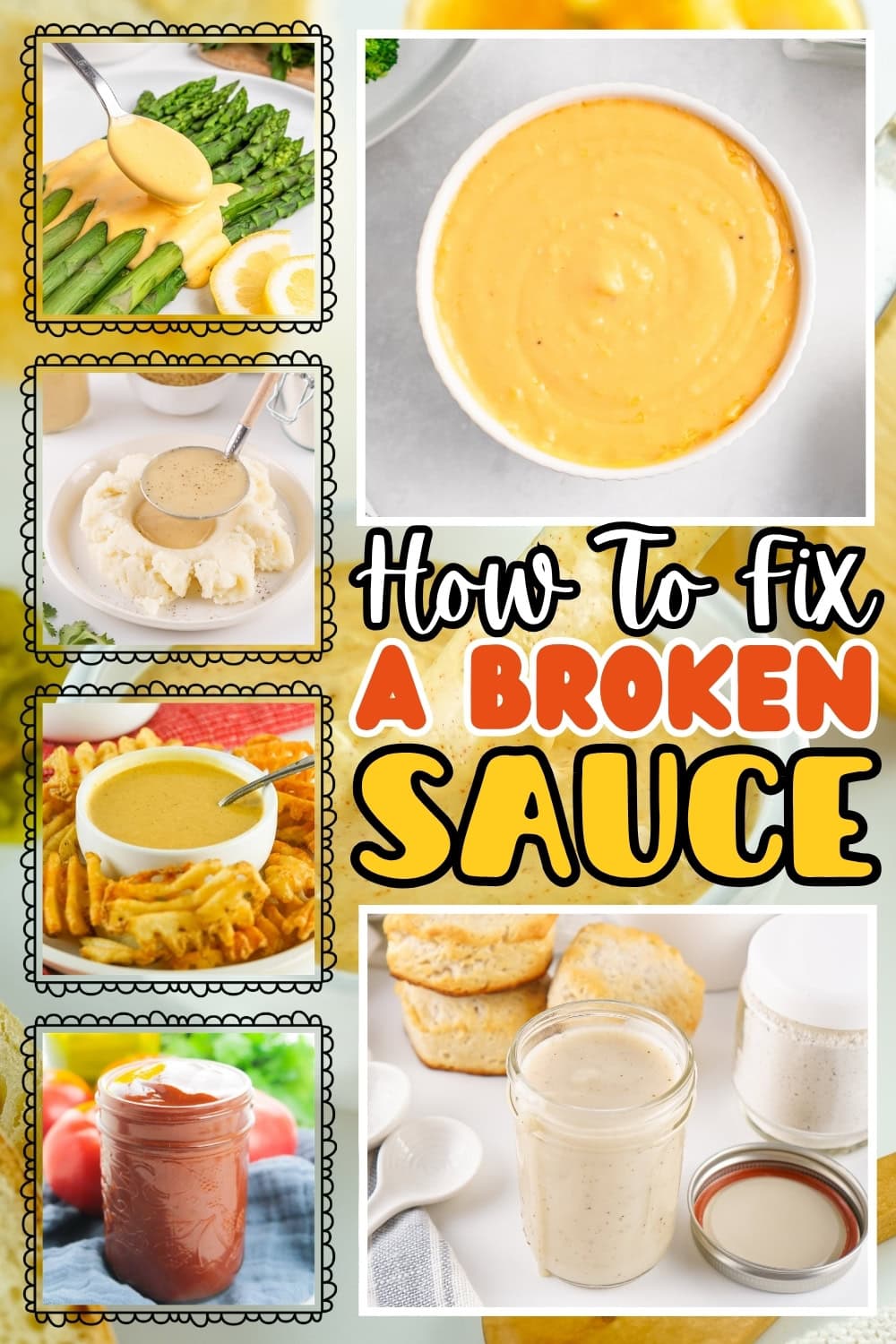
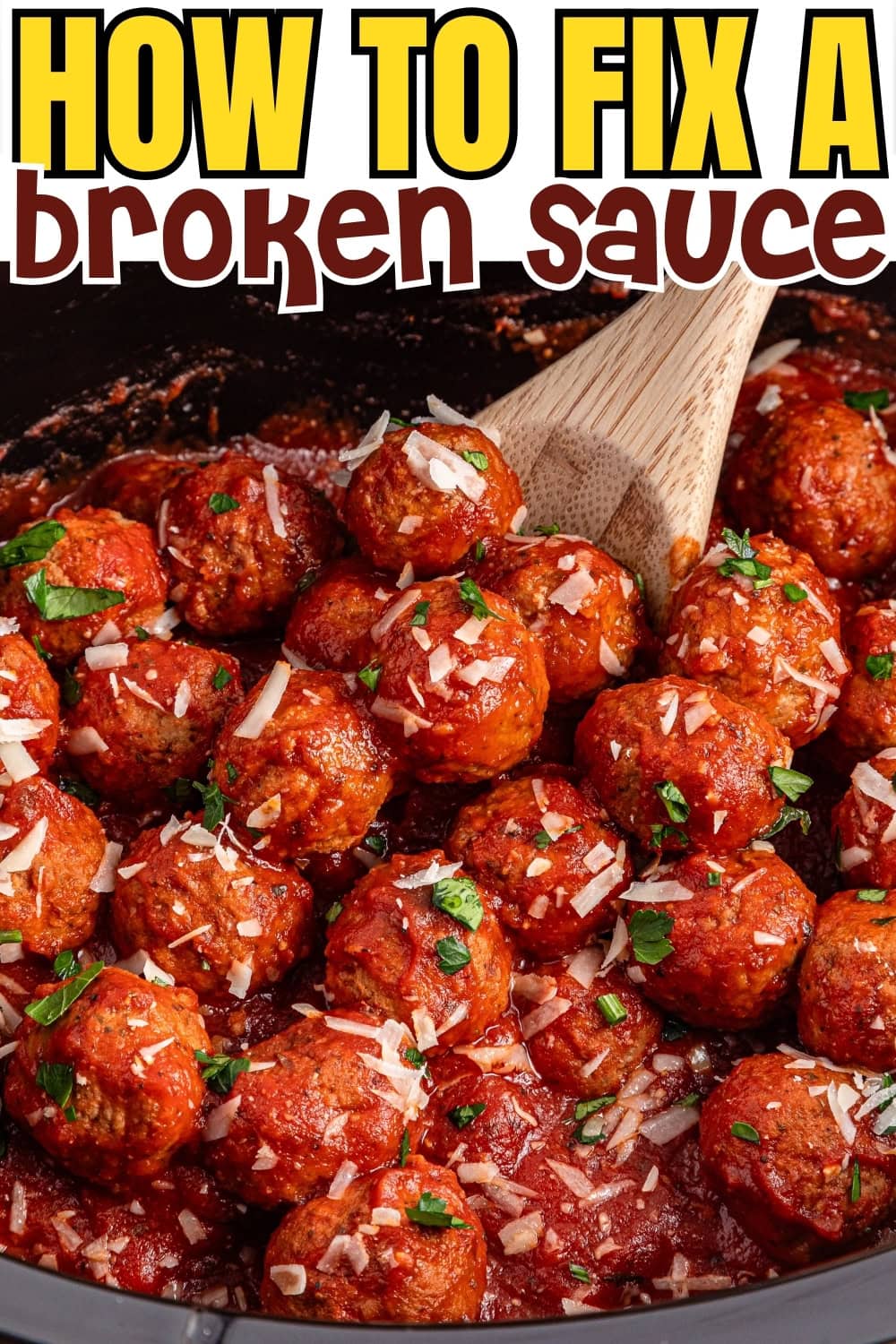
How to Fix a Broken Sauce

You’re standing at the stove watching your beautiful sauce transform into a separated, curdled mess. Your heart sinks as you wonder if dinner is ruined. The good news? Most times, a broken sauce can be fixed, and once you understand why they break, you’ll rarely have the problem again.

Save This Post!
What Is A Broken Sauce?
A broken sauce is one that’s lost its smooth, unified texture. Instead of a silky sauce that coats the back of a spoon, you get fat pooling on the surface, watery liquid separating out at the edges, or little curdled bits scattered throughout. The ingredients that were blended together have split back into their separate parts. It happens most often with emulsion sauces like hollandaise, cream sauces, and cheese sauces, but a pan sauce or homemade vinaigrette can break just as easily.
Here’s what’s happening underneath. Most sauces are emulsions, which means tiny droplets of fat are held in suspension throughout a water-based liquid. Fat and water don’t naturally want to mix, so something has to hold them together: the lecithin in egg yolks, the milk solids in butter and cream, a spoonful of mustard, or the starch in a roux. That arrangement is fragile. When it gets disrupted, the fat droplets find each other, clump together, and float free of the liquid. That’s the greasy layer or grainy texture you’re staring at. Your sauce hasn’t spoiled; it’s just come apart.
What Causes Sauces to Break?
Sauces break for three main reasons: temperature issues, ingredient ratios, and how you handle them during cooking. Too much heat can cause proteins to seize up and squeeze out moisture, while too little heat won’t properly emulsify the ingredients. Adding ingredients too quickly or at the wrong temperature throws off the delicate balance that keeps everything smooth.
The type of sauce matters too. Emulsion sauces like my Easy Blender Hollandaise Sauce rely on fat molecules being suspended in liquid, which makes them particularly finicky. Cream-based sauces like Easy Alfredo Sauce can curdle if they get too hot. Even cheese sauces can turn grainy if you’re not careful with the temperature.
Types of Sauces That Break (And How to Fix Each One)
Emulsion Sauces
Emulsion sauces are the most notorious for breaking because they rely on tiny fat droplets staying suspended in liquid. When the emulsion breaks, you’ll see the sauce split into pools of fat and watery liquid.
Common Examples:
- Easy Blender Hollandaise Sauce
- Copycat Chick Fil A Sauce
- Copycat Big Mac Sauce
- Simple Homemade Tartar Sauce
Why They Break: Too much heat is the usual culprit with hollandaise and similar warm emulsions. The egg yolks cook and can no longer hold the butter in suspension. For mayo-based sauces like my Chick Fil A copycat, adding oil too quickly prevents proper emulsification.
How to Fix It: For hollandaise, remove from heat immediately. Whisk a tablespoon of cold water or an ice cube into the broken sauce. If that doesn’t work, start with a fresh egg yolk in a clean bowl and slowly whisk in the broken sauce a little at a time. For mayo-based sauces, start with a fresh egg yolk or a teaspoon of mustard in a bowl and slowly whisk the broken sauce back in.

How to Prevent It: Keep hollandaise at a gentle warmth, never letting it simmer. For mayo-based sauces, add oil drop by drop at first, then in a slow, steady stream once the emulsion forms. All ingredients should be at room temperature before you start.
Cream-Based Sauces
Cream sauces can curdle, separate, or become grainy when the proteins in the dairy clump together from too much heat. You’ll notice the sauce looking curdled or having a broken, oily appearance.
Common Examples:
- Easy Alfredo Sauce
- Boneless Pork Chops with Creamy Chive Pan Sauce
- Instant Pot Lemon Chicken Breasts with Creamy Sauce
- Penne Alla Vodka with Homemade Vodka Sauce
Why They Break: High heat causes the proteins in cream to coagulate and separate from the fat. Adding cream to a sauce that’s too hot can cause instant curdling. Acidic ingredients like lemon juice or tomatoes in dishes like penne alla vodka can also cause cream to curdle if not handled properly.
How to Fix It: Remove from heat and let it cool for a minute. Whisk in a tablespoon of cold cream or a splash of cold milk. If it’s badly broken, blend it with an immersion blender, which can re-emulsify the sauce. For mild separation, sometimes just whisking vigorously off the heat will bring it back together.

How to Prevent It: Never let cream sauces boil. When making Alfredo or similar sauces, add cream to a pan that’s off the heat or on very low heat, stirring constantly. If adding acid like lemon juice, do it at the end and off the heat. Use heavy cream rather than lighter creams when possible, as the higher fat content makes it more stable.
Cheese Sauces
Cheese sauces can break and become grainy, oily, or stringy. When cheese gets too hot or is added incorrectly, the proteins squeeze out the fat and moisture, leaving you with a greasy, separated mess.
Common Examples:
- Easy Cheddar Cheese Sauce
- Nacho cheese sauces
- Mac and cheese sauces
Why They Break: High heat is the main enemy of cheese sauces. The proteins in cheese are delicate and will break down when exposed to too much heat, causing the fat to separate. Pre-shredded cheese often contains anti-caking agents that can prevent smooth melting and cause graininess.
How to Fix It: Remove from heat immediately. Whisk in a small amount of cold milk or cream, about a tablespoon at a time. If the sauce is grainy, add a splash of beer, wine, or lemon juice (the acid can help smooth it out). For badly broken cheese sauce, sometimes blending with an immersion blender can save it.

How to Prevent It: Always melt cheese over low heat and remove the pan from the burner before adding the cheese. Stir constantly as it melts. Use freshly grated cheese instead of pre-shredded for better melting. Making a roux-based cheese sauce (like a mornay) helps stabilize it and prevents breaking.
Gravies
Gravies can become lumpy, too thin, or separate into fat and liquid. You might see flour clumps floating in thin liquid or a layer of fat pooling on top.
Common Examples:
- Homemade Brown Gravy Mix
- Homemade White Gravy Mix
- Easy Hamburger Steak with Creamy Mushroom Gravy
- Slow Cooker Chicken and Gravy
Why They Break: Lumpy gravy happens when flour isn’t properly mixed with fat or liquid before the gravy heats up. The flour granules clump together instead of dispersing evenly. Thin or separated gravy usually means there wasn’t enough flour to thicken it properly, or it was cooked too long and the starch broke down.
How to Fix It: For lumpy gravy, pour it through a fine-mesh strainer to remove lumps, then return to the pan. If that’s not smooth enough, use an immersion blender. For thin gravy, make a slurry by mixing equal parts flour (or cornstarch) and cold water until smooth, then whisk it into the simmering gravy. For separated gravy, whisk vigorously while reheating gently.
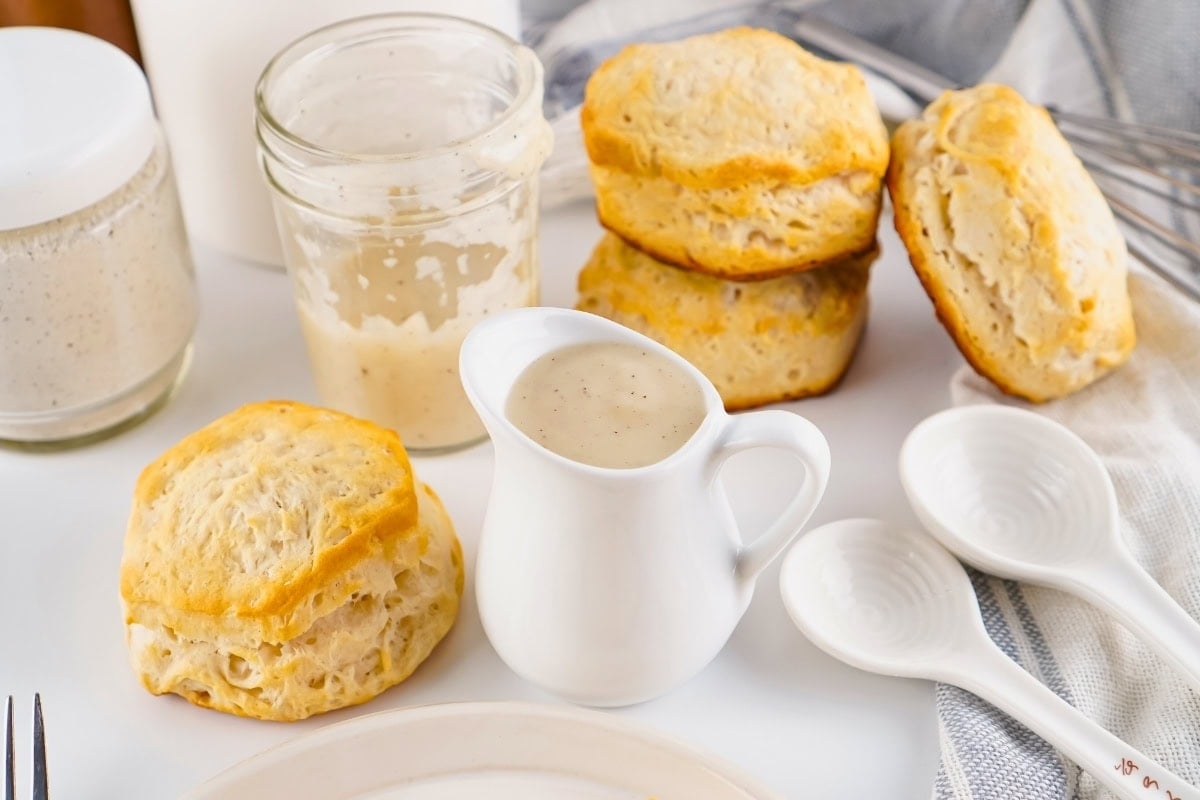
How to Prevent It: For lump-free gravy, make a proper roux by cooking flour and fat together before adding liquid, or use my gravy mix recipes which ensure even distribution. Add liquid gradually while whisking constantly. Keep gravy at a gentle simmer rather than a rolling boil, which can break down the thickening power of the flour.
Butter Sauces
Butter sauces can break when the fat separates from the liquid, leaving you with melted butter floating on top of water rather than a cohesive sauce.
Common Examples:
- Compound Garlic Butter
- Garlic Butter Shrimp
- Beurre blanc sauces
- Lemon butter sauces
Why They Break: Butter sauces break from too much heat, which melts the butter completely and causes it to separate. They can also break if the butter is added too quickly or if there isn’t enough liquid to support the emulsion.
How to Fix It: Remove from heat and add a small ice cube or a tablespoon of cold water. Swirl the pan gently (don’t whisk vigorously) to help re-emulsify. If that doesn’t work, you can mount the broken sauce into a fresh tablespoon of cold cream while swirling constantly.

How to Prevent It: Keep butter sauces warm but never hot. When making a pan sauce, add cold butter cubes a few at a time to the warm (not hot) pan, swirling constantly. The pan should be off the heat or on the lowest setting. Work quickly once the sauce is made, as butter sauces don’t hold well.
Tomato-Based Sauces
Tomato sauces are generally more stable than cream or butter sauces, but they can still separate and become watery or oily.
Common Examples:
- Best Homemade Marinara Sauce
- Zucchini Noodles with an Arrabbiata Sauce
- Homemade Red Enchilada Sauce
- Crockpot Italian Meatballs in Tomato Sauce
Why They Break: Tomato sauces typically separate when they’re overcooked or cooked at too high a temperature, causing the water to evaporate out and the oil to separate. Using tomatoes with too much liquid content can also result in a watery, separated sauce.
How to Fix It: If your tomato sauce is too watery, continue simmering it uncovered to evaporate excess liquid. Stir occasionally and watch for the consistency you want. If oil has separated to the top, simply stir it back in vigorously. Adding a small amount of tomato paste can help thicken and bind the sauce back together.

How to Prevent It: Simmer tomato sauces gently rather than boiling them hard. If using canned tomatoes, drain some of the liquid before adding them to your sauce. Adding a small amount of butter or olive oil at the end of cooking and stirring well helps create a silky, emulsified sauce.
Universal Sauce-Saving Techniques
Some techniques work across multiple types of sauces. Keep these tricks in your back pocket for sauce emergencies.
The Ice Cube Method: For overheated sauces (especially hollandaise and butter sauces), immediately remove from heat and add an ice cube while whisking. The sudden temperature drop can stop the breaking process and help re-emulsify the sauce.
The Blender Fix: When whisking isn’t enough, an immersion blender can save many broken sauces. The high-speed blending forces the ingredients back into an emulsion. This works particularly well for cream sauces, cheese sauces, and even some broken hollandaise.
The Fresh Start Method: For severely broken emulsion sauces, start fresh with a new base (egg yolk, mustard, or small amount of cream) in a clean bowl. Slowly whisk or blend the broken sauce into this new base, treating it like you’re making a fresh sauce. This almost always works for hollandaise and mayo-based sauces.
The Starch Stabilizer: Adding a small amount of cornstarch slurry (1 teaspoon cornstarch mixed with 1 tablespoon cold water) can help stabilize a breaking sauce. The starch gives the liquid something to cling to and can help hold an emulsion together. This works well for gravies and some cream sauces.
Prevention Is the Best Medicine
Most sauce disasters are avoidable if you follow a few basic principles. Temperature control is critical for almost every type of sauce. Use low to medium heat and be patient.
Always add ingredients gradually, whether it’s oil to mayo, butter to hollandaise, or cheese to cheese sauce. Adding too much too fast overwhelms the sauce’s ability to incorporate the new ingredient. Room temperature ingredients emulsify better than cold ones, especially for cream-based and emulsion sauces.
Keep a close eye on your sauce and remove it from heat before you think you need to. Sauces continue cooking from residual heat even after you turn off the burner. Many cooks make the mistake of waiting until the sauce looks perfect on the heat, but by then it’s often overcooked.
When to Start Over
Sometimes a sauce is beyond saving. If you’ve tried the fixes above and your sauce is still broken, grainy, or curdled beyond recognition, it might be time to start fresh. The good news is that understanding why it broke means you won’t make the same mistake twice.
Having quick sauce recipes in your repertoire makes starting over less intimidating. Many of the sauces mentioned earlier take just minutes to prepare once you know the technique, so don’t be discouraged if you need to begin again.
Recipes That Won’t Break
Some sauces are naturally more stable and forgiving than others. If you’re building your sauce-making confidence, start with these.
Stable Sauces for Beginners:
- Easy Homemade Teriyaki Sauce – Simple ingredients, hard to mess up
- Homemade Red Enchilada Sauce – Very forgiving
- Creamy Cilantro Lime Sauce – Yogurt-based and stable
- Copycat In n Out Animal Sauce – Mix-and-serve, no cooking required
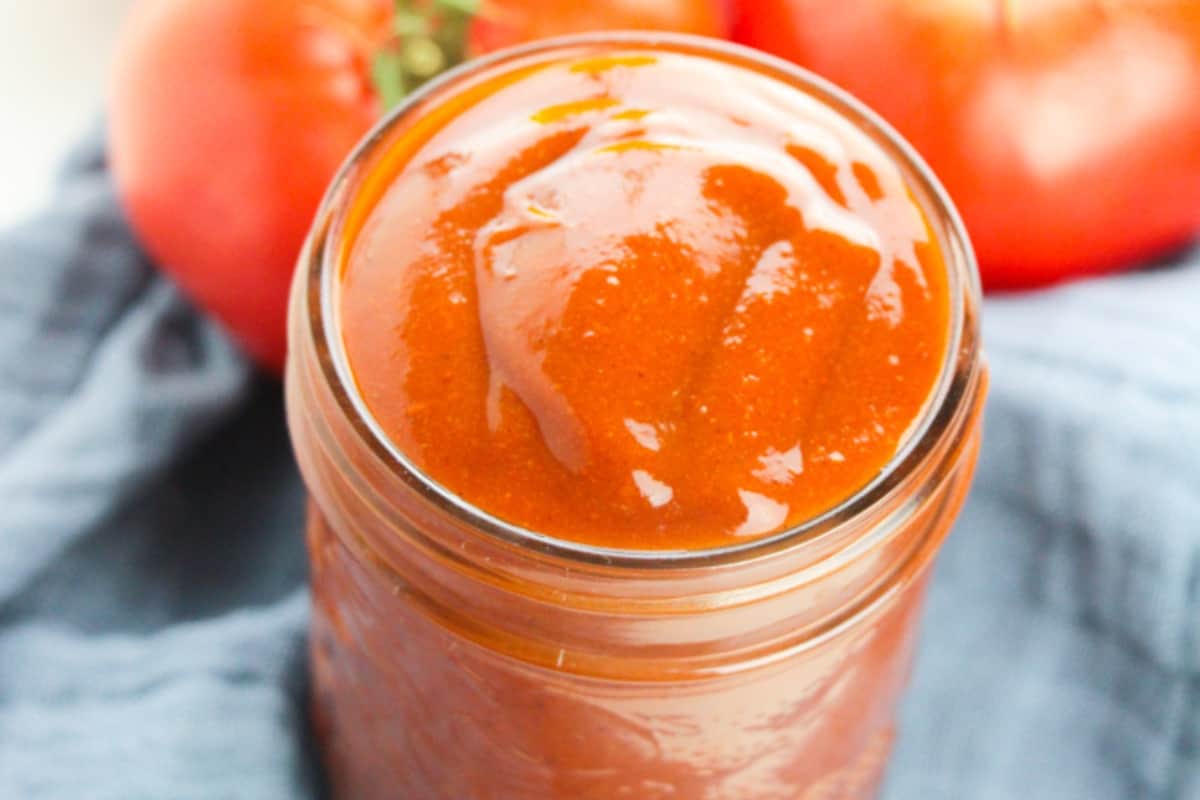
Once you’re comfortable with these, move up to slightly more challenging sauces that require temperature control and timing. Save the trickier emulsions like hollandaise for when you’ve got some sauce-making experience under your belt.
Final Tips for Sauce Success
Keep your heat low and your patience high. Most home cooks break sauces by cooking them too fast on too high a heat. When in doubt, go lower and slower.
Invest in a good whisk and learn to use it properly. Constant, vigorous whisking introduces air and keeps ingredients moving, which prevents hot spots and helps maintain emulsions. For pan sauces, a swirling motion often works better than whisking.
Taste as you go and adjust before the sauce is fully cooked. It’s much easier to fix a sauce that’s slightly too thin or bland than to rescue one that’s been overcooked and broken. Season at the end after the sauce has reduced, since flavors concentrate as liquid evaporates.
With practice, making smooth, restaurant-quality sauces becomes second nature. Understanding the science behind why sauces break gives you the confidence to fix problems when they arise and prevent them from happening in the first place.
FAQs
Yes! Gently reheat the sauce over low heat while whisking constantly. If it’s still separated, try the blender method or whisk in a small amount of fresh cream or milk. Cold sauces often look more broken than they actually are, so gentle reheating and whisking may be all you need.
Pre-shredded cheese often contains anti-caking agents that prevent smooth melting. Try using freshly grated cheese instead. Also, make sure you’re removing the pan from heat completely before adding cheese, and use a roux-based method (flour and butter base) to help stabilize the sauce.
These terms are often used interchangeably, but technically a split sauce refers to an emulsion that has separated (like hollandaise or mayonnaise), while a broken sauce can also include curdled cream sauces or separated cheese sauces. The fixing methods are similar for both.
Reheat sauces very gently over low heat or in short bursts in the microwave, stirring frequently. Add a splash of liquid (water, cream, or stock depending on the sauce) to help prevent separation. Never reheat on high heat, as this almost always causes breaking.
Keep delicate sauces like hollandaise warm (not hot) in a double boiler or in a bowl set over warm water. Butter sauces and cream sauces can be held on the lowest heat setting with frequent stirring. Most sauces are best made close to serving time rather than held for long periods.
Need More How to Guides? Try These:
- How to Pair Wine with Food: Easy Rules + Perfect Combinations
- Seasonings Storage: How to Store Your Herbs and Spices
- How to Crack Open a Coconut
- See all our how-to guides!