
How to Store Spices Long Term: Keep Herbs Fresh for Years

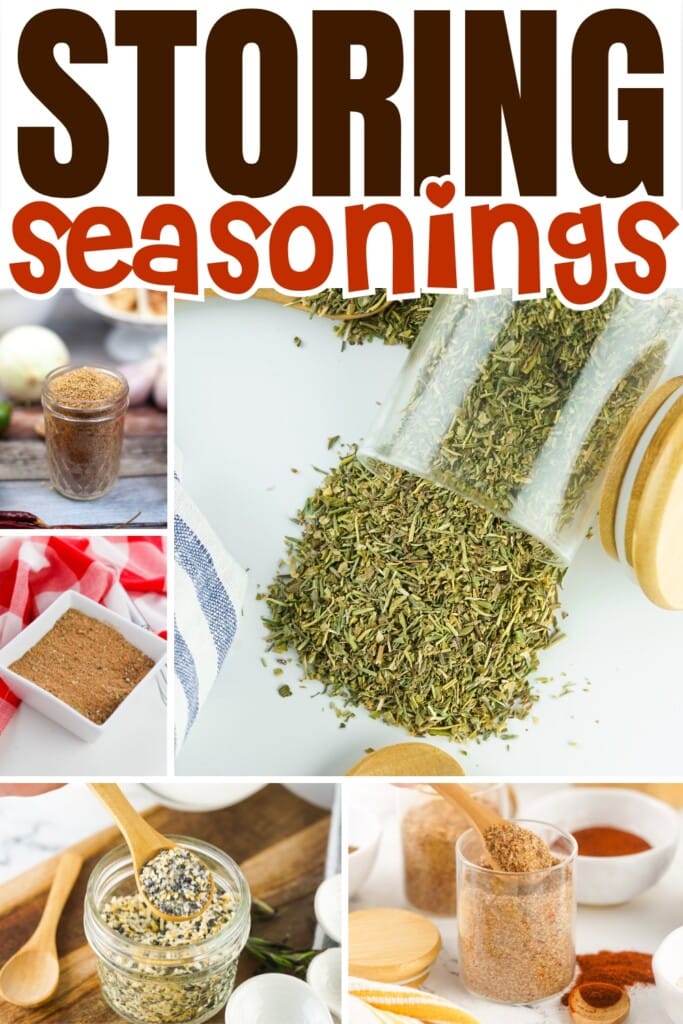
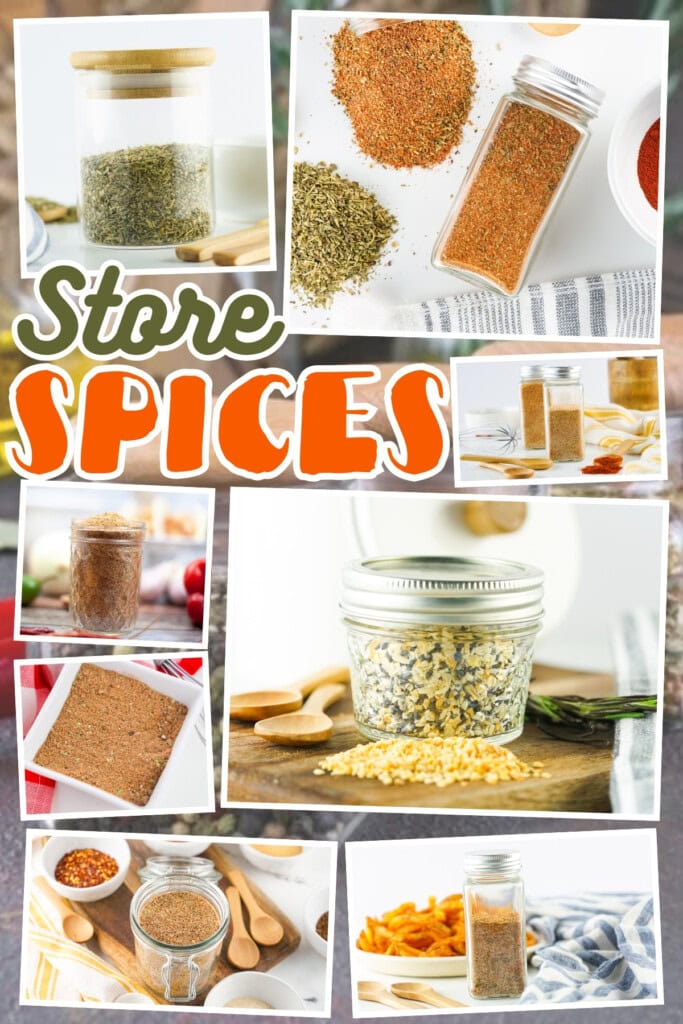
Storing spices properly can extend their shelf life from months to years, saving you money and ensuring maximum flavor in every dish you cook. The key is protecting your herbs and spices from their four main enemies: light, heat, air, and moisture.
Save This Post!
Most home cooks don’t realize that ground spices can last 2-3 years while whole spices stay fresh for 3-4 years when stored correctly. The right containers and storage location make all the difference between vibrant, aromatic seasonings and flavorless dust in your cabinet.
Quick Rules for Storing Spices and Herbs
Here’s what you need to know to keep your seasonings fresh:
- Location matters most: Store spices in a cool, dark cabinet away from the stove. Heat and light are the fastest ways to lose flavor.
- Container choice: Use airtight glass jars or metal tins. Avoid clear plastic containers that let light through.
- Whole vs. ground: Whole spices last 3-4 years while ground spices last 2-3 years. Buy whole when possible and grind as needed.
- The shake test: If your spice doesn’t smell strong when you open the container, it’s time to replace it.
- Date everything: Label containers with purchase dates so you know when it’s time for fresh replacements.
How Long Do Spices Last?
Understanding shelf life is crucial for maintaining a fresh spice collection. Generally, whole spices last longer than ground versions:
- Whole spices (peppercorns, cinnamon sticks, whole nutmeg): 3-4 years
- Ground spices (paprika, cumin, chili powder): 2-3 years
- Dried herbs (basil, oregano, thyme): 1-3 years
- Seasoning blends (like Common Cooking Herbs or Homemade Taco Seasoning Mix): 1-2 years
The clock starts ticking once you open the container, exposing spices to air and light. Date your spices when purchased to keep track of freshness.
Best Storage Conditions for Maximum Freshness
Understanding the ideal environment for storing spices helps you maintain their potency and flavor for as long as possible. The four main enemies of spice freshness are light, heat, air, and moisture—and avoiding these factors can dramatically extend the life of your seasonings.
Temperature plays a huge role in how long your spices stay fresh. Store your herbs and spices in locations where the temperature stays consistently cool, ideally between 60-70°F. Avoid spots near the stove, oven, dishwasher, or any appliance that generates heat. Many people make the mistake of keeping a spice rack right above the stove for convenience, but the heat from cooking accelerates the breakdown of essential oils. If you make homemade blends like Cajun Seasoning or Chili Seasoning Mix, keeping them away from heat sources helps preserve their complex flavors.
Light exposure is another major culprit in spice degradation. Both natural sunlight and artificial light can fade the color of spices and break down their flavor compounds over time. This is why storing spices in a cabinet or drawer beats leaving them on open shelving or in clear containers on the counter. If you do use glass containers for your Homemade Taco Seasoning Mix or other blends, choose dark-colored glass like amber or cobalt blue, or simply store clear containers in a dark location.
Humidity can ruin your spice collection faster than almost anything else. Moisture causes clumping in ground spices and can lead to mold growth in herbs. Keep spices away from the sink, dishwasher, and any steamy areas of the kitchen. Don’t measure spices directly over a steaming pot—instead, pour what you need into your hand or a small dish first, then add it to your cooking. This simple habit prevents steam from entering the container and introducing moisture.
Air exposure oxidizes spices and causes them to lose their potency. Every time you open a container, you’re introducing fresh air that starts this process. This is why smaller containers for frequently used spices work better than buying in bulk unless you transfer small amounts to a daily-use container. Vacuum-sealed storage offers the ultimate protection for spices you won’t use regularly, though it’s usually overkill for everyday seasonings like French Fry Seasoning that you use within a few months.
Choosing the Right Containers for Spice Storage
The container you choose for storing herbs and spices makes a significant difference in how long they stay fresh. Not all containers offer the same level of protection from light, air, and moisture, and picking the right type depends on your storage location and how quickly you use each spice.
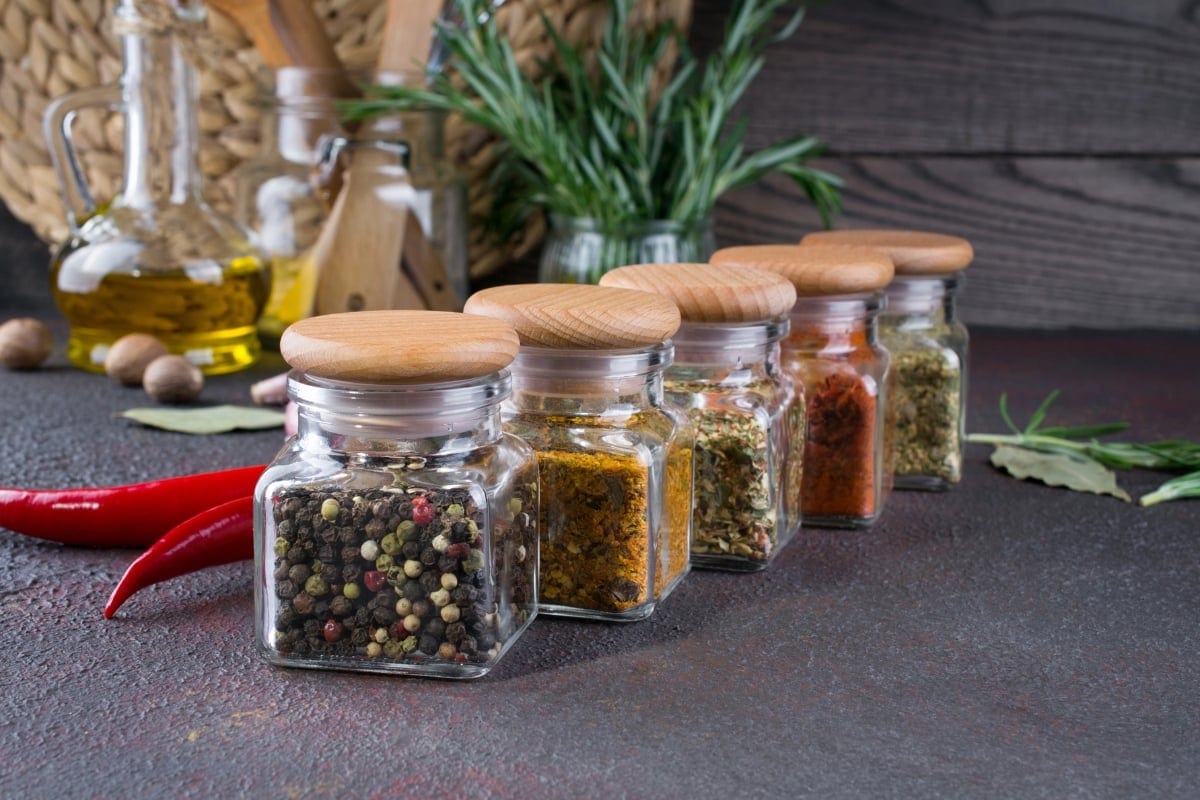
Glass jars are the gold standard for spice storage. They’re non-porous, which means they won’t absorb odors or allow air to seep through like some other materials. Glass also doesn’t react with spices, preserving their pure flavor. Small glass jars with tight-fitting lids or rubber-sealed tops work beautifully for Everything Bagel Seasoning or Lawry’s Seasoned Salt blends. If you’re choosing glass containers, amber or dark-colored glass offers better protection from light than clear glass, though storing any glass containers in a dark cabinet solves this issue.
Metal tins provide excellent protection from both light and air when they have tight-fitting lids. Stainless steel containers won’t rust or react with your spices, making them a durable long-term solution. Magnetic metal tins can even mount to your refrigerator or a metal board, creating a space-saving storage display that still protects your spices from heat if your fridge isn’t near the stove. Metal containers work especially well for light-sensitive spices and for homemade blends like Simple Homemade Fajita Seasoning.
Plastic containers are lightweight and inexpensive, but they’re not ideal for long-term spice storage. Plastic is more porous than glass or metal, meaning it allows tiny amounts of air and moisture to pass through over time. Some spices can also absorb plastic odors or even stain certain plastics. If you do use plastic, choose food-grade containers labeled as airtight and opt for opaque rather than clear plastic to block light. Plastic works fine for spices you’ll use up within a month or two, but glass or metal containers are better for preserving Herbs de Provence or other blends you use less frequently.
Original packaging from store-bought spices often includes paper or cardboard containers with plastic or foil liners. These work reasonably well for short-term storage since manufacturers design them to keep spices fresh until the printed expiration date. However, once opened, these containers don’t always seal tightly enough to prevent air exposure. If you buy quality whole spices or make large batches of Jamaican Jerk Seasoning, consider transferring them to better containers for optimal freshness.
Container size matters more than many people realize. Large containers with small amounts of spice inside mean more air space, which speeds up oxidation. Choose containers sized appropriately for the amount you typically have on hand. For Common Cooking Herbs that you use frequently, smaller containers that you refill regularly work better than oversized jars that stay half-empty for months.
Sealing mechanisms vary widely among containers. Look for lids with rubber gaskets, clamp-top closures, or screw tops that create a proper seal. Flip-top lids without gaskets or simple cork stoppers don’t provide adequate protection from air and moisture. Shake-and-pour lids are convenient for daily use but often don’t seal as tightly as solid lids, so consider having two types: airtight containers for storage and convenient dispensers for your most-used spices.
Best Storage Options for Herbs and Spices
Cabinet and Pantry Storage
The dark, cool environment of a cabinet makes it ideal for spice storage. For cabinet organization:
- Pull-out drawer organizers: These maximize cabinet space by allowing full visibility of all spices.
- Tiered shelves: These create stadium-style visibility so you can see spices at the back.
- Door-mounted racks: Perfect for narrow cabinets or small kitchens.
If you have a dedicated pantry, consider using clear containers with labels.

Drawer Storage
Spice drawer organizers keep jars lying flat with labels facing up, making it easy to find what you need:
- Adjustable drawer inserts: These can be customized to fit various jar sizes.
- Angled drawer organizers: Help you read labels without removing jars.
- Custom drawer liners: Prevent jars from rolling around.
Drawer storage protects spices from light, which helps preserve their potency longer.
Countertop Solutions
For frequently used spices, countertop storage offers convenience:
- Rotating spice racks: Classic carousel design for easy access.
- Magnetic spice jars: These attach to a metal stand or your refrigerator.
- Compact spice tower organizers: Vertical storage that minimizes counter footprint.
Wall-Mounted Options
Wall-mounted spice racks free up valuable counter and cabinet space:
- Magnetic wall strips: Modern, minimalist option for metal spice containers.
- Hanging spice racks: Traditional wooden or metal racks that mount to the wall.
- Floating shelves: Display your collection while keeping it accessible.
Storing Specific Types of Seasonings
Dried Herbs
- Storage: Keep dried herbs in airtight containers away from heat, light, and moisture to preserve their essential oils. Dark glass jars or metal containers work best as they block light that can degrade the herbs’ color and potency. Try to store them in cabinets away from your stove, oven, or other heat sources.
- Refrigerator: Not recommended for dried herbs as condensation can form when containers are removed from the refrigerator and returned to room temperature. This introduced moisture can cause clumping, mold, and faster deterioration of your herbs.
- Freezing: Only freeze fresh herbs, not dried ones. Dried herbs already have their moisture removed, so freezing offers no preservation benefit and can actually introduce unwanted moisture when thawed.
- Refreshing: Crush dried herbs between your fingers right before using to release their essential oils and enhance flavor. For recipes like Herbs de Provence, this simple step can make a noticeable difference in the depth of flavor.

Ground Spices
- Storage: Store ground spices like paprika, cumin, and Chili Seasoning Mix in tightly sealed containers away from direct sunlight, heat sources, and moisture. The enemies of spice freshness are light, heat, air, and humidity, so look for containers that minimize exposure to these elements. Organize your spice drawer or cabinet to keep ground spices in the coolest, darkest spot possible.
- Refrigerator: Refrigeration isn’t necessary for most ground spices and can actually damage their flavor due to humidity. When you remove a cold spice container from the refrigerator, condensation forms, introducing moisture that can cause clumping and speed up deterioration. Red spices like paprika and cayenne might retain their color longer in the refrigerator, but the moisture risk often outweighs this benefit. Refrigeration harms most ground spices’ flavor due to humidity and condensation, which causes clumping and faster deterioration.
- Freezing: Not recommended for ground spices as temperature fluctuations when removing them from the freezer cause condensation inside the container. This added moisture accelerates flavor loss and can lead to mold growth. Additionally, repeatedly opening a frozen spice container allows warm air in, creating more condensation issues.
- Testing freshness: If a ground spice has little or no aroma when rubbed between your fingers, it’s time to replace it. Fresh ground spices should have a strong, distinct smell and vibrant color. They lose much of their flavor potential when they become dull in appearance or scent.
Whole Spices
- Storage: Whole spices like peppercorns, cinnamon sticks, and cardamom pods last significantly longer than their ground counterparts because their essential oils remain locked inside until broken. Store them in airtight glass or metal containers to protect from air and light. Whole spices can maintain their potency for 3-4 years when properly stored, making them more economical in the long run for spices you use less frequently.
- Refrigerator: While refrigeration isn’t strictly necessary for most whole spices, certain varieties with higher essential oil content, like nutmeg and star anise, can benefit from cold storage, especially in warm or humid climates. If you choose to refrigerate whole spices, ensure they’re in completely airtight containers to prevent moisture absorption, and allow them to come to room temperature before opening to avoid condensation.
- Grinding: For maximum flavor and aroma, grind whole spices just before using them in recipes like Jamaican Jerk Seasoning. A dedicated spice grinder, mortar and pestle, or a coffee grinder reserved exclusively for spices will give you the freshest results. Start with small batches—freshly ground spices are significantly more potent than pre-ground versions, so you may need to adjust recipe quantities.
- Toasting: Enhance the depth and complexity of whole spices by briefly toasting them in a dry skillet over medium heat before grinding. This process releases the essential oils and creates new flavor compounds through light caramelization. Watch carefully and stir constantly, as spices can burn quickly. You’ll know they’re ready when they become fragrant and slightly darker in color—usually 30-60 seconds is sufficient.

Salt and Salt Blends
- Storage: Salt is one of the few seasonings that never actually spoils due to its natural preservative properties. While salt doesn’t go “bad” in terms of food safety, it performs best when stored in a cool, dry place in a container with a tight-fitting lid to maintain its texture and prevent absorption of other flavors. Ceramic salt cellars, glass jars with gasket lids, or dedicated salt boxes are all excellent options for keeping cooking salt accessible while protected.
- Humidity: The biggest enemy of salt is moisture from the air, which causes clumping and can eventually turn your salt into a solid block. To combat this, especially in humid climates, place a few grains of uncooked rice in your salt shakers to absorb excess moisture. For larger salt containers, a food-grade desiccant packet can help maintain free-flowing salt. Specialized salt containers with tight seals are worth the investment if you use premium salts like fleur de sel or Himalayan pink salt.
- Salt varieties: While different salts (table, kosher, sea salt) can generally be stored the same way, specialty salts with unique mineral contents or textures may benefit from more carefully sealed containers. Flaky sea salts and finishing salts in particular should be kept in air-tight containers to preserve their delicate crystal structure. Coarse salt types like kosher salt are somewhat more forgiving in storage but still benefit from moisture protection.
- Flavored salts: Infused or blended salts like garlic salt, onion salt, or herb salts should be treated more like spices than pure salt, with a typical shelf life of 1-2 years. The added ingredients can degrade over time, affecting flavor. Store these specialty salts away from heat and light, and consider labeling them with the date of purchase to track freshness. Homemade flavored salts should be used within 6 months for the best flavor profile.
Seasoning Blends
- Storage: Homemade blends like Simple Homemade Fajita Seasoning should be stored in airtight containers away from heat, light, and moisture to preserve their complex flavor profiles. Dark glass jars with tight-fitting lids work well for preserving these mixes. Consider storing your homemade blends in the same type of container for a cohesive look in your spice cabinet or drawer. Keep them away from the stove, oven, or areas with temperature fluctuations that could cause condensation inside the container.
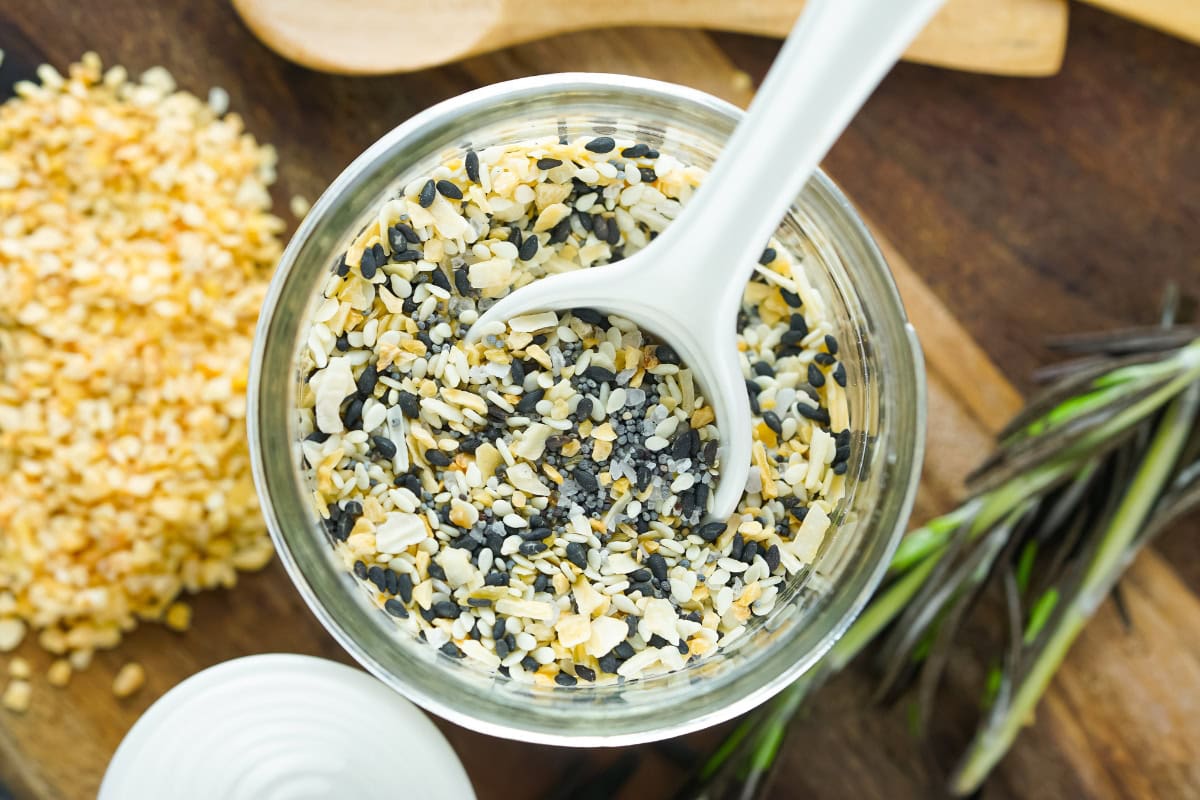
- Shelf life: Mixed seasonings generally have the shelf life of their shortest-lived ingredient, which is typically dried herbs (about 1-2 years). Blends containing seeds, such as mustard or sesame, in Everything Bagel Seasoning, may become rancid sooner due to their natural oils. Test the aroma of your blends regularly—if the scent has significantly diminished or changed, it’s time to make a fresh batch. Commercial blends with anti-caking agents may last longer than homemade versions.
- Making small batches: Consider making smaller amounts of Taco Seasoning Mix or Cajun Seasoning to ensure maximum freshness and flavor. Rather than making a large jar that sits for months, prepare just enough for 2-3 uses, or about 1-2 months’ worth. This practice ensures you’re always cooking with vibrant, flavorful seasonings. The small effort of mixing fresh blends more frequently pays off significantly in the taste of your finished dishes.
- Labeling: Always clearly label homemade blends with names, ingredients (useful for those with allergies or dietary restrictions), and date prepared. This habit helps track freshness and avoids the “mystery spice blend” problem. Consider using a label maker, chalkboard labels, or attractive tags for a professional pantry look. Including the proportions on the label also helps when you need to make the blend again or adjust it to your taste preferences over time.
Organizing Your Spice Collection
Create a system that works for your cooking style:
- Alphabetical: Traditional and straightforward organization.
- Frequency of use: Keep everyday spices front and center.
- By cuisine: Group spices used in specific types of cooking, like Mexican or Italian.
- By type: Separate herbs, spices, salts, and blends.
FAQs
Check the color and aroma. Spices fade in color and lose their fragrance over time. If your ground cinnamon no longer smells sweet and strong, it’s time to replace it. Most spices don’t spoil in a way that makes them unsafe to eat, but they do lose potency.
No, you shouldn’t store spices in the refrigerator or freezer. When you remove a cold container and open it at room temperature, condensation forms inside, introducing moisture that causes clumping and speeds up flavor loss. The only exception is storing whole spices with high oil content like nutmeg in humid climates, but they must be in completely airtight containers.
For long-term spice storage, buy whole spices instead of ground versions since they last 3-4 years compared to 2-3 years for ground. Keep them in airtight glass or metal containers in a cool, dark cabinet away from heat sources. Vacuum-sealed containers offer even better protection for spices you won’t use frequently.
For the freshest flavor, grinding whole spices just before use makes a noticeable difference in recipes like Homemade Japanese 7 Spice Seasoning. A dedicated spice grinder or coffee grinder used only for spices is a worthwhile investment for cooking enthusiasts.
Yes, many spice retailers offer refill stations or bulk spices that can be used to refill your existing containers. This reduces packaging waste and can be more economical in the long run.

like the info….? best way to store fresh ginger root ???
I personally store mine in the refrigerator in a Ziploc bag in the crisper drawer.