
Types of Cooking Oil: A Complete Guide for Every Kitchen

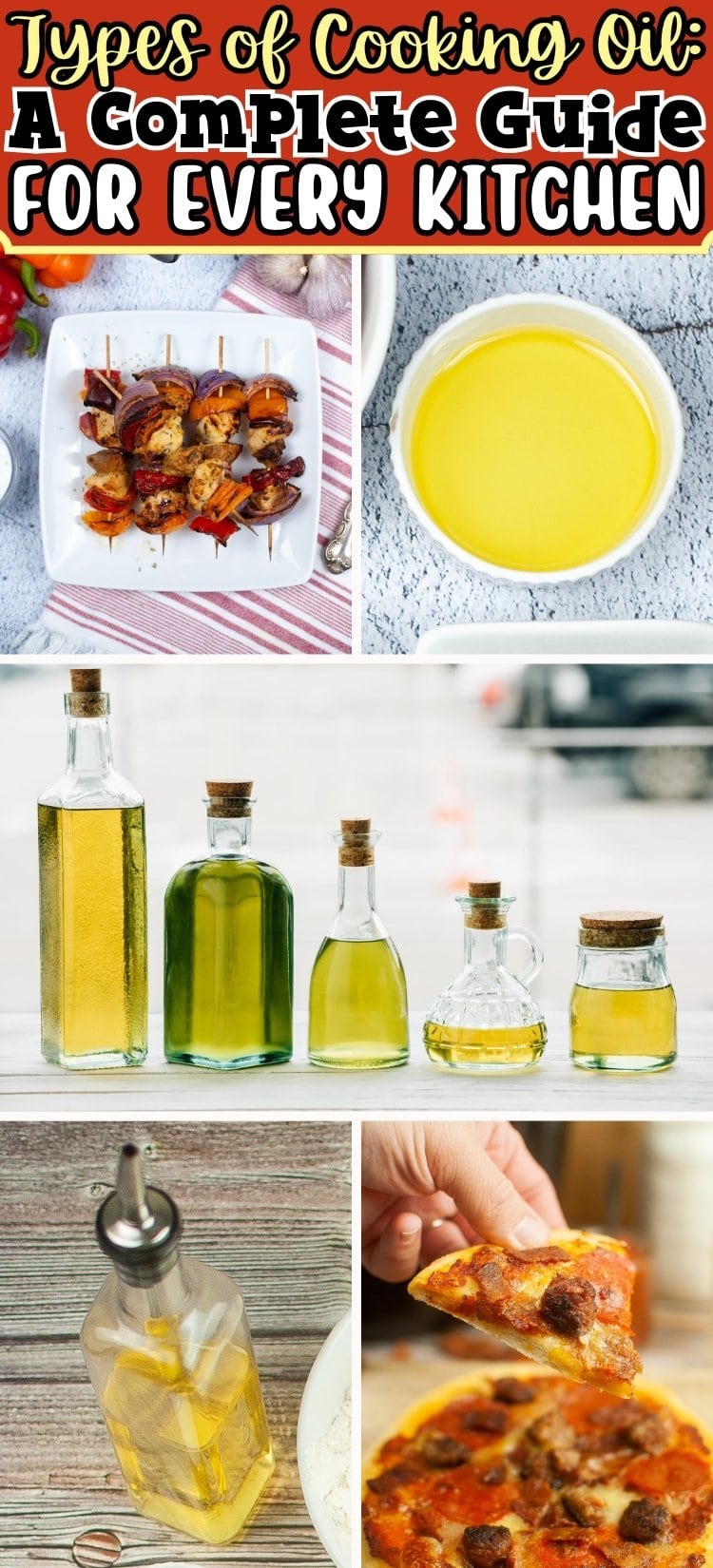
Standing in the oil aisle at your grocery store can feel overwhelming. With so many types of cooking oil available, how do you know which one to choose? Each oil has unique properties that make it ideal for specific cooking methods. This guide will help you understand the different types of cooking oil and how to use them effectively in your kitchen.
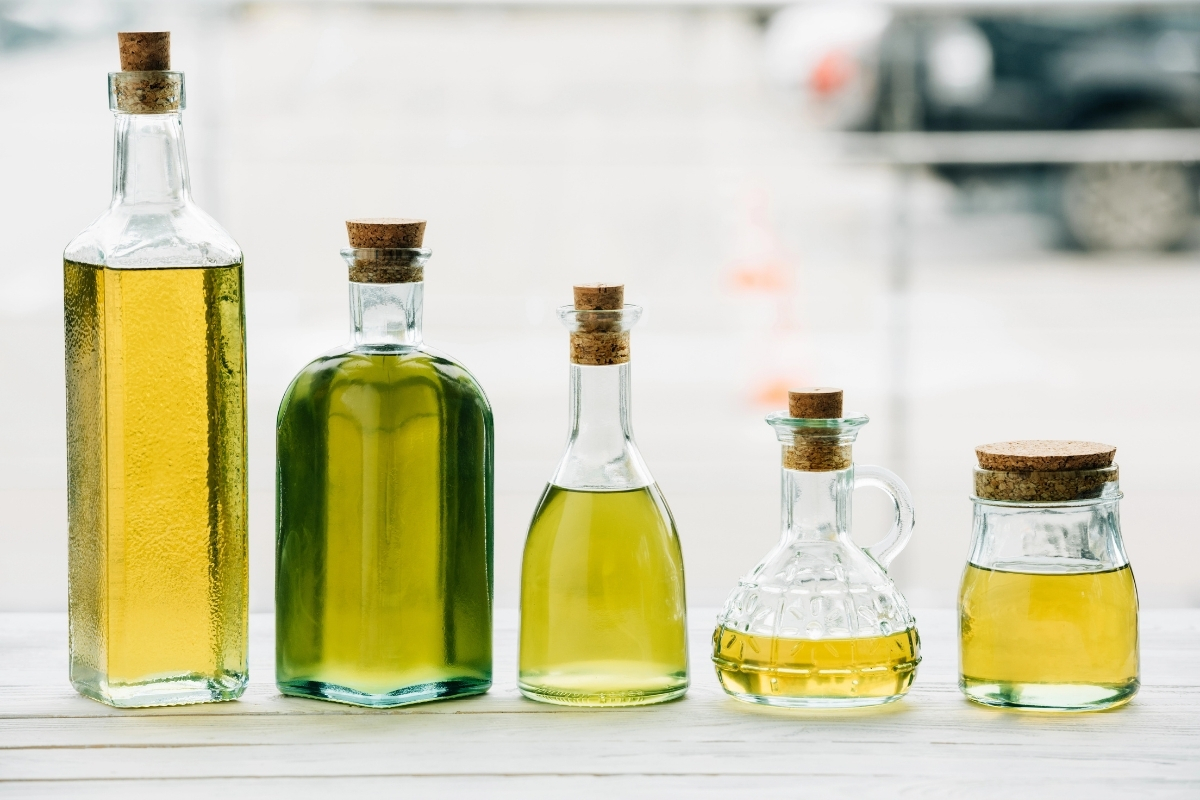
Save This Post!
What Are Cooking Oils?
Cooking oils are fats that remain liquid at room temperature. They come from various sources, including plants, nuts, and seeds. When selecting a cooking oil, consider these key factors:
- Smoke point – The temperature at which an oil begins to smoke and break down
- Flavor profile – Some oils have distinct flavors while others are neutral
- Nutritional properties – Different oils offer various health benefits
Understanding Smoke Points
The smoke point is crucial when choosing a cooking oil. When oil reaches its smoke point, it not only creates smoke but also breaks down chemically, producing potentially harmful compounds and creating unpleasant flavors.
- Low smoke point oils (below 325°F): Best for no-heat or low-heat cooking
- Medium smoke point oils (325°F-375°F): Good for sautéing and baking
- High smoke point oils (above 375°F): Ideal for high-heat cooking methods like frying and grilling
Now let’s explore the most common types of cooking oil and how to use them.
Olive Oil: The Mediterranean Staple
Olive oil is one of the most popular cooking oils, known for its heart-healthy properties and distinctive flavor.
Extra Virgin Olive Oil
Extra virgin olive oil is minimally processed, maintaining its natural antioxidants and flavor.
- Smoke point: 325°F-375°F (medium)
- Best used for: Light sautéing, dressings, drizzling over finished dishes
- Health benefits: Rich in monounsaturated fats and antioxidants
- Try it in: Rosemary Olive Oil Bread for a delicious flavor boost

Regular or Light Olive Oil
More refined than extra virgin, with a milder flavor.
- Smoke point: 465°F (high)
- Best used for: All-purpose cooking, sautéing, baking
- Health benefits: Contains the same healthy fats as extra virgin, but fewer antioxidants
Avocado Oil: The High-Heat Champion
Avocado oil is gaining popularity for its versatility and health benefits.
- Smoke point: 520°F (very high)
- Best used for: High-heat cooking, grilling, stir-frying
- Health benefits: High in monounsaturated fats, similar to olive oil
- Try it in: Air Fryer Greek Chicken Kabobs for perfectly cooked meat

Coconut Oil: Tropical Versatility
Coconut oil is unique among cooking oils because it’s solid at room temperature due to its high saturated fat content.
Virgin Coconut Oil
- Smoke point: 350°F (medium)
- Best used for: Baking, medium-heat sautéing
- Flavor profile: Distinct coconut flavor
- Try it in: Homemade Garlic Bread for a subtle tropical twist
Refined Coconut Oil
- Smoke point: 400°F (medium-high)
- Best used for: Higher-heat cooking
- Flavor profile: Neutral, without coconut taste
Vegetable Oil: The All-Purpose Option
Vegetable oil is typically a blend of different plant oils, most commonly soybean oil.
- Smoke point: 400°F-450°F (high)
- Best used for: All-purpose cooking, frying, baking
- Flavor profile: Neutral
- Try it with: Homemade Air Fryer Meat Lover’s Pizza for a crispy crust

Canola Oil: The Heart-Healthy Choice
Derived from the rapeseed plant, canola oil is one of the cheapest oils with good nutritional properties.
- Smoke point: 400°F (high)
- Best used for: All-purpose cooking, baking, frying
- Health benefits: Low in saturated fat, high in monounsaturated fat
- Try it in: Cinnamon Sugar Donut Holes for perfect frying
Peanut Oil: The Frying Favorite
Peanut oil is great for deep frying thanks to its high smoke point and neutral flavor.
- Smoke point: 450°F (high)
- Best used for: Deep frying, stir-frying, Asian cuisine
- Flavor profile: Mild, slightly nutty
- Try it with: The Best Air Fryer Chicken and Waffles as an alternative to air frying
Sesame Oil: The Flavor Enhancer
Sesame oil comes in two main varieties: light (refined) and dark (toasted).
Light Sesame Oil
- Smoke point: 410°F (high)
- Best used for: Stir-frying, all-purpose cooking in Asian cuisine
Dark Sesame Oil
- Smoke point: 350°F (medium)
- Best used for: Finishing oil, dressings, marinades
- Flavor profile: Intense, nutty
- Try it in: Easy Shrimp Toast Recipe for authentic Asian flavor

Sunflower and Safflower Oil: The Light Options
Sunflower and safflower oil come from their respective seeds and have similar properties.
- Smoke point: 450°F (high)
- Best used for: Sautéing, all-purpose cooking, frying
- Health benefits: High in vitamin E, low in saturated fats
- Try it with: Zucchini Fritters for crispy results
Grapeseed Oil: The Wine Country Byproduct
A byproduct of wine making, grapeseed oil has gained popularity in cooking.
- Smoke point: 420°F (high)
- Best used for: Sautéing, frying, salad dressings
- Flavor profile: Clean, light
- Health benefits: Contains vitamin E and polyunsaturated fats
Walnut Oil: The Specialty Finishing Oil
Walnut oil is a specialty oil with a distinctive flavor.
- Smoke point: 320°F (low)
- Best used for: Finishing dishes, salad dressings
- Flavor profile: Rich, nutty
- Try it with: 9 Spring Salad Ideas for gourmet flavor

Corn Oil: The Affordable Option
Corn oil is one of the cheapest oils and commonly used in commercial food production.
- Smoke point: 450°F (high)
- Best used for: Frying, baking, all-purpose cooking
- Flavor profile: Mild
- Try it with: Easy Homemade Pretzels for golden-brown results
Palm Oil and Red Palm Oil: The Controversial Choices
Palm oil is widely used in commercial food production but raises environmental concerns.
- Smoke point: 455°F (high)
- Best used for: Deep frying, commercial cooking
- Health considerations: High in saturated fats
Healthy Cooking Oils: What Does the Research Say?
According to the American Heart Association, oils rich in monounsaturated and polyunsaturated fats can help reduce the risk of heart disease when used in place of saturated fats.
The healthiest cooking oils generally include:
- Olive oil
- Avocado oil
- Canola oil
- Sunflower oil
- Safflower oil
It’s worth noting that the healthiness of an oil depends not just on its composition but also on how it’s used. Even the healthiest oil becomes less healthy when heated beyond its smoke point.
How to Store Cooking Oils
Proper storage extends the shelf life of your oils and preserves their quality:
- Store in a cool, dark place
- Keep away from heat sources like the stove
- Use dark glass bottles when possible
- Check for rancidity (off smells) before using
Cooking Oils for Every Method
Different cooking methods require different types of cooking oil:
For High-Heat Cooking (Frying, Grilling, Roasting)
- Avocado oil
- Refined olive oil
- Peanut oil
- Sunflower oil
- Safflower oil
Try these with Air Fryer BBQ Pulled Pork Sandwich for excellent results

For Medium-Heat Cooking (Sautéing, Baking)
- Extra virgin olive oil
- Coconut oil
- Canola oil
Perfect for Honey Roasted Carrots or other roasted vegetables
For No-Heat Preparations (Dressings, Dips, Finishing)
- Extra virgin olive oil
- Walnut oil
- Dark sesame oil
- Flaxseed oil
Enhance your Homemade Creamy Poppy Seed Dressing with these flavorful oils

FAQs About Cooking Oil
Olive oil is generally considered one of the healthiest cooking oils due to its monounsaturated fat content and antioxidants.
Yes, but with caution. Strain out food particles, store properly, and discard if it smells off or has darkened significantly.
Depends on the type:
Olive oil: 18-24 months unopened, 1-3 months opened
Vegetable/canola oil: 1-2 years unopened, 6-12 months opened
Nut oils (walnut, sesame): 3-6 months refrigerated
Oils high in monounsaturated and polyunsaturated fats like olive, avocado, and canola oils support heart health when used in moderation.
A good-quality olive oil for lower-heat cooking and dressings, plus a high smoke point oil like avocado or canola for high-heat cooking.
Conclusion
Having a variety of cooking oils in your kitchen allows you to choose the right one for each cooking method. For high-heat cooking like frying, reach for oils with high smoke points such as avocado or peanut oil. For salad dressings and lower-heat cooking, extra virgin olive oil is an excellent choice.
Remember that regardless of which cooking oil you choose, all oils should be used in moderation as part of a balanced diet. By understanding the properties and best uses of different types of cooking oil, you can enhance the flavor of your dishes while supporting your health goals.
Want to put your new oil knowledge to work? Try our Easy Air Fryer Recipes or Simple Green Salad Recipes to practice using different oils in your cooking!
