
Types of Pasta: 25 Pasta Shapes with Pictures and Best Uses


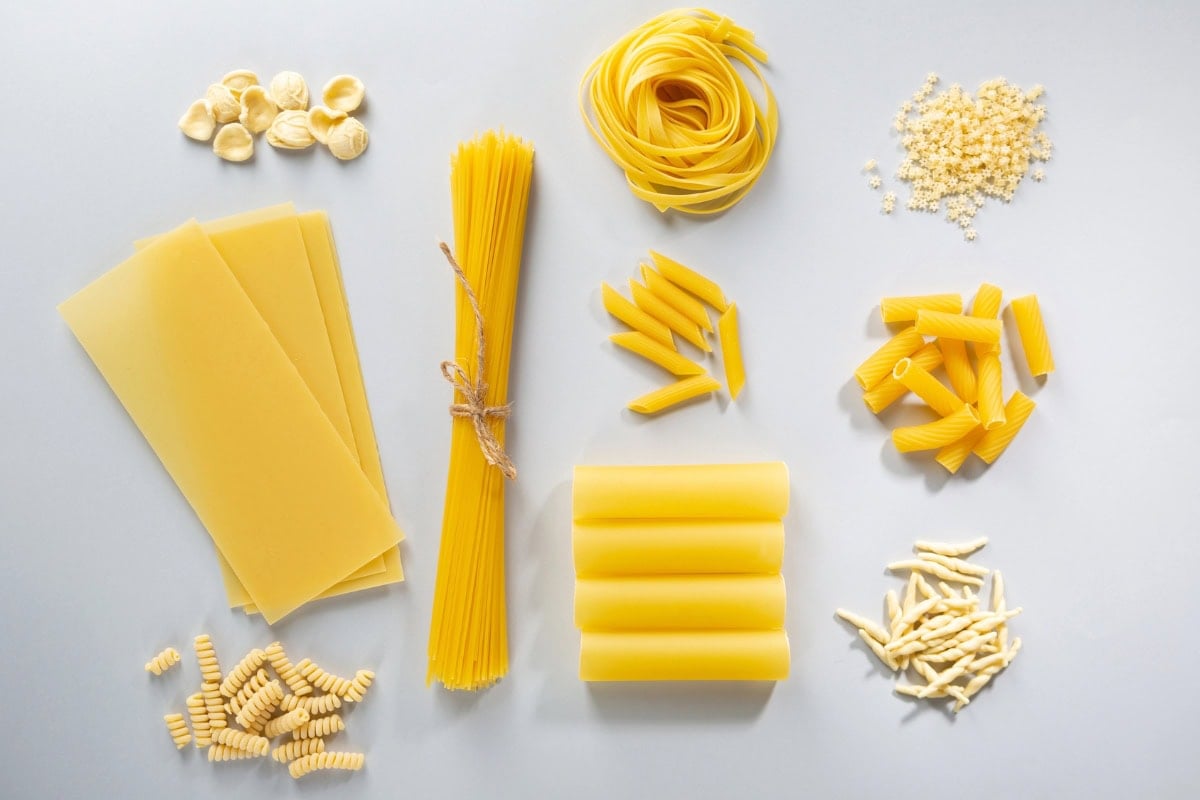
Whether you’re craving a classic spaghetti dinner or something more adventurous, understanding different types of pasta can transform your cooking. Let’s explore both popular and lesser-known pasta shapes, and the recipes they’re perfect for.
Save This Post!
Since pasta is such a staple in Italian cuisine, you’ll find countless shapes that have been perfected over generations. Each type of pasta has its ideal sauce pairing and cooking method, making it worth knowing your penne from your fusilli.
How to Choose the Right Pasta Shape
Picking the right pasta shape isn’t just about what’s in your pantry. The shape you choose affects how the sauce clings, the dish’s taste, and even the satisfaction of each bite.
Match Your Pasta to Your Sauce Type
The general rule is simple: thick sauces need pasta that can hold them, while delicate sauces pair better with thinner noodles. When you’re making a chunky meat sauce with ground beef and vegetables, reach for tube-shaped pasta like rigatoni or penne that can catch those bits of meat and veggies. Light olive oil sauces work beautifully with long, thin pasta like spaghetti or linguine that gets coated evenly.
Creamy sauces like Alfredo or carbonara love flat, wide noodles such as fettuccine. The broad surface area means every strand gets covered in that rich, silky sauce. For broth-based soups, small pasta shapes like ditalini or orzo blend seamlessly without overwhelming the liquid.
Consider Your Cooking Method
Baked pasta dishes need sturdy shapes that won’t turn mushy in the oven. Ziti, rigatoni, and shells are perfect for baked ziti or casseroles because they maintain their structure. Delicate pasta like angel hair or fresh pasta works better for quick stovetop dishes where you’re tossing everything together at the last minute.
If you’re making a cold pasta salad, choose shapes with nooks and crannies like fusilli, farfalle, or rotini. These shapes stay firm when chilled and catch bits of vegetables and dressing in every bite. Check out these easy summer pasta salad recipes for inspiration.
Think About What You’re Serving It With
Seafood dishes typically call for long, thin pasta that doesn’t compete with delicate fish or shrimp flavors. Linguine pairs beautifully with lemon-garlic jumbo shrimp, while spaghetti is classic with clam sauce. The thin strands let the seafood shine as the star of the dish.
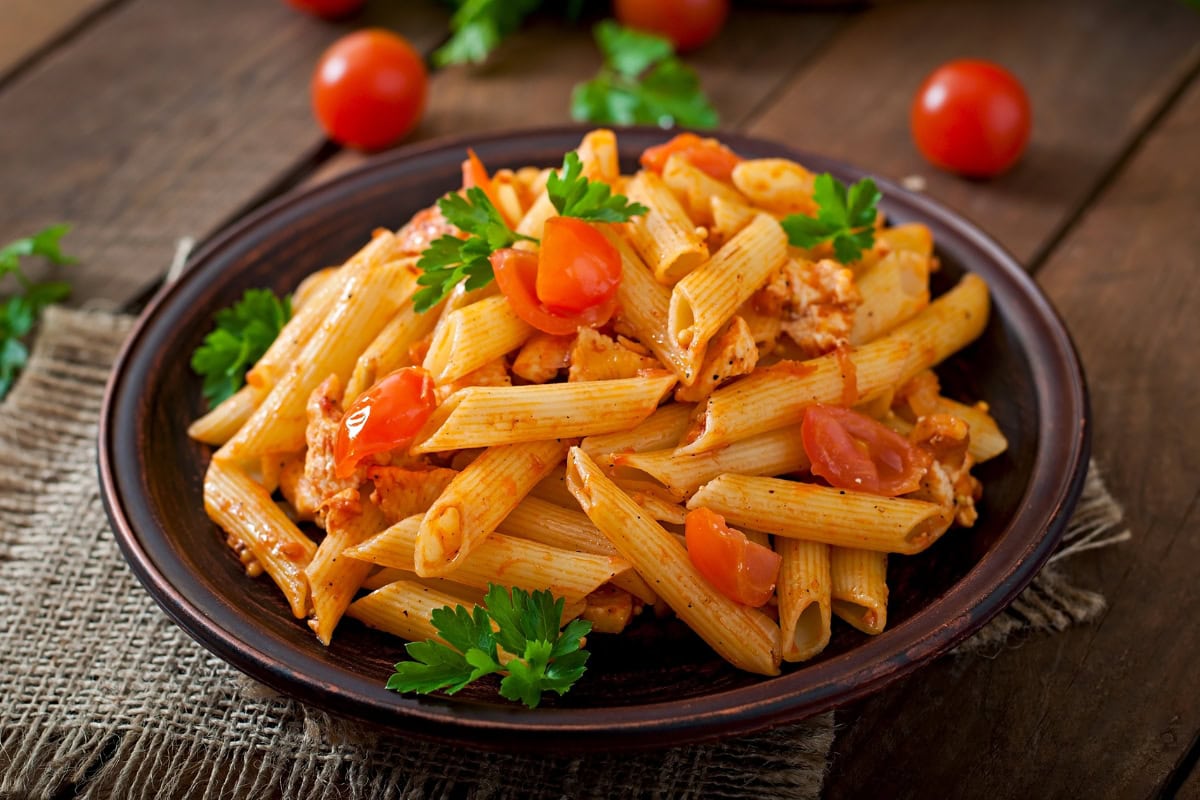
Hearty meat sauces need pasta with more presence. Short, sturdy shapes like penne work wonderfully with Italian tomato chicken penne, while wider noodles like pappardelle stand up to rich beef ragù. The pasta becomes part of the experience rather than just a vehicle for sauce.
Account for Who’s Eating
Kids often prefer fun shapes like bow ties, shells, or spirals that are easy to spear with a fork. These shapes also work well in homemade creamy baked mac and cheese where little ones can scoop up cheesy goodness. For elegant dinner parties, go with classic shapes like linguine or fettuccine that look sophisticated on the plate.
If you’re cooking for someone with dietary restrictions, remember that different pasta types come in various alternatives. Whole wheat, gluten-free, and legume-based options are available in most popular shapes. Sturdy shapes like penne and fusilli tend to work better in alternative pasta varieties than delicate strands.
When Size Matters
The size of your pasta should complement the other ingredients in your dish. Large shells or manicotti are designed for stuffing with ricotta and vegetables. Tiny pasta like acini di pepe or pastina practically dissolves into soups and broths. Medium-sized shapes like farfalle or gemelli work as all-purpose options when you’re not sure what to choose.
For dishes with lots of vegetables or proteins, pick a pasta size that’s similar to your other ingredients. If you’re adding diced chicken and bell peppers to your pasta, penne or rigatoni matches that bite size perfectly. This creates a balanced dish where you get pasta, protein, and vegetables in every forkful.
Trust Traditional Pairings (But Feel Free to Experiment)
Italian cuisine has developed these pasta-sauce pairings over centuries for good reason. Bucatini with amatriciana sauce, orecchiette with broccoli rabe, and pappardelle with wild boar ragù all work because the pasta and sauce were made for each other. These traditional combinations offer a starting point when you’re trying something new.
That said, don’t be afraid to break the rules once you understand them. If you only have spaghetti but want to make creamy sausage rigatoni, go ahead and use what you have. The dish might be slightly different, but it’ll still taste delicious. The best pasta shape is often the one you already have in your kitchen.
10 Types of Pasta Everyone Should Know
Let’s start with the classics that you’ll find in most grocery stores. These popular pasta shapes form the foundation of countless Italian dishes.
Long Pasta Varieties
Spaghetti is the classic long pasta that’s perfect for tomato sauce dishes or olive oil and garlic recipes. It’s versatile enough for everything from simple weeknight dinners to fancy Italian food.
Linguine offers a flatter alternative to spaghetti. Its ribbon-like shape makes it ideal for seafood dishes and light cream sauces. Try it in traditional recipes from Southern Italy.
Fettuccine features wider, flat noodles that pair beautifully with creamy sauces. This ribbon shape holds heavier ingredients well, making it a favorite for dishes like chicken marsala or a classic chicken alfredo.

Short Pasta Favorites
When you need shaped pasta that’s easy to serve and eat, these varieties deliver. Short pasta works wonderfully in pasta salads and soups.
Penne pasta has a tube-shaped design with angled ends. The ridges help hold sauces beautifully, whether you’re making an Italian tomato chicken penne or a baked pasta dish.
Fusilli spirals catch bits of meat and vegetables in their corkscrew shape. This makes them perfect for hearty sauces and cold Italian tortellini salad.
Image from cold Italian tortellini salad
Farfalle (bow-tie pasta) has a ruffled edge that’s not just cute – it’s functional. Use it in pasta salads or with chunky sauces where the butterfly shape can capture ingredients.
Unique Pasta Shapes for Special Dishes
Beyond the basics, exploring different types of pasta can open up new culinary possibilities.
Stuffed Pasta Delights
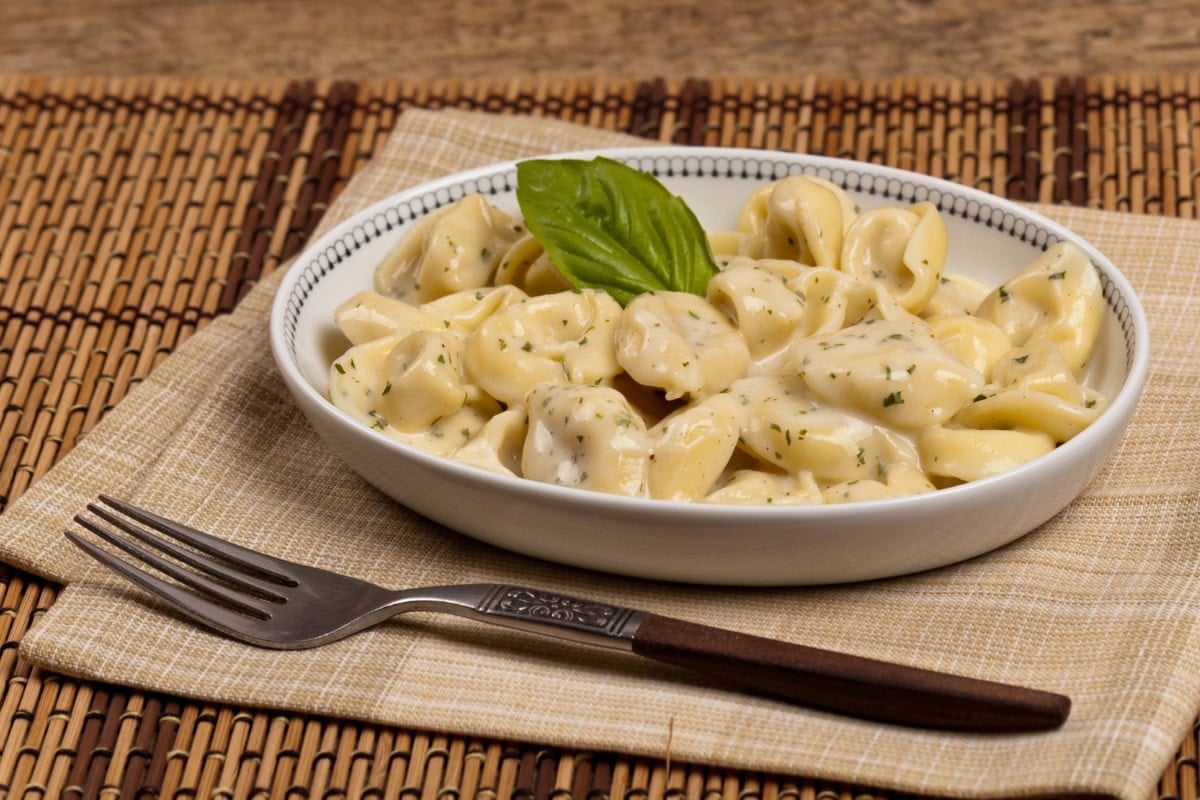
Ravioli and tortellini are classic filled pasta varieties. While ravioli typically contains ricotta and other cheeses, tortellini often features meat or cheese fillings. Both are traditionally served in broth or with light sauces.
Gnocchi technically isn’t pasta but a dumpling made from potatoes. These pillowy bites absorb sauces beautifully and are often served with sage butter or tomato sauce.
Specialty Shapes
Acini di pepe looks like tiny peppercorns, but don’t be fooled – this small pasta adds wonderful texture to chicken broth soups.
Pastina is one of the smallest pasta varieties, making it perfect for soups and broths. It’s what Italians often feed to children as their first pasta experience.
Orzo resembles rice but cooks like pasta. It’s versatile enough for soups, salads, or as a side dish alternative to rice.
Bucatini is like thick spaghetti with a hole running through it. This unique design helps it hold onto arrabbiata sauce and other robust flavors.
More Italian Pasta Shapes Worth Knowing
Once you’ve mastered the basics, these pasta shapes will expand your cooking repertoire. Each brings something special to the table, whether it’s unique texture or traditional regional flavor.
Tube and Shell Varieties
Ziti is a smooth, medium-sized tube pasta that’s slightly narrower than rigatoni. It’s the star of classic baked ziti and holds up beautifully in baked dishes with cheese and tomato sauce.
Rigatoni features large tubes with ridges running down the outside. The ridges and wide opening make it perfect for chunky meat sauces and hearty dishes like creamy sausage rigatoni. It’s sturdier than penne and stands up well to baking.
Manicotti are large tubes designed specifically for stuffing. These oversized pasta tubes are traditionally filled with ricotta cheese mixture and baked in marinara sauce. They’re similar to cannelloni but typically require pre-cooking.
Cannelloni are smooth, large tubes meant for stuffing with meat or cheese fillings. Unlike manicotti, cannelloni sheets are often rolled around the filling rather than stuffed through the tube. Both work wonderfully in baked pasta dishes.
Conchiglie (shells) come in various sizes from tiny to jumbo. Small shells work well in pasta salads, while jumbo shells are perfect for stuffing with ricotta and spinach. The shell shape captures sauce beautifully in every bite.
Regional Italian Specialties
Orecchiette translates to “little ears” and hails from Puglia in Southern Italy. These small, ear-shaped pasta cups catch chunky vegetables and sauces perfectly. Try them with broccoli rabe, sausage, or simple tomato sauce.
Cavatelli are small shells with a rolled edge that originated in Southern Italy. Their compact shape and grooved surface make them ideal for thick sauces and vegetable-based dishes. They’re similar to gnocchi in texture but made with pasta dough.
Trofie are thin, twisted pasta from Liguria traditionally served with pesto. The spiral shape allows the pesto sauce to cling to every surface. These hand-rolled pasta twists are perfect with basil pesto and green beans.
Casarecce features a loosely rolled S-shape that looks like a scroll. This Sicilian pasta works beautifully with chunky sauces, especially those with eggplant or sausage. The curves and grooves trap sauce in all the right places.
Pappardelle are wide ribbon noodles from Tuscany, broader than fettuccine. These substantial noodles pair perfectly with rich meat ragùs and game sauces. They’re also wonderful with mushroom-based sauces.
Campanelle (also called gigli) resembles little bells or cones with ruffled edges. This decorative pasta shape isn’t just pretty – those ruffles catch creamy sauces and small ingredients beautifully. It’s excellent in pasta salads or with light cream sauces.
Twisted and Spiral Shapes
Gemelli means “twins” in Italian, and this pasta looks like two strands twisted together. The twisted shape holds onto both smooth and chunky sauces. It’s versatile enough for everything from cold Italian tortellini salad style dishes to hot pasta with vegetables.
Rotini are tight spirals similar to fusilli but with a more compact twist. These corkscrews work great in casseroles and cold salads because they maintain their shape well. Kids love them because the spirals are fun to eat.
Capellini (also called angel hair pasta) is even thinner than spaghetti. This delicate pasta cooks in just 2-3 minutes and works best with light, oil-based sauces or simple butter and herb preparations. It’s perfect with lemon-garlic jumbo shrimp for an elegant meal.
Making the Most of These Pasta Shapes
The beauty of Italian cooking is matching the right pasta shape to your sauce. Tube shapes like rigatoni and ziti excel with thick, meaty sauces because the sauce gets inside the tubes. Shell shapes cup your sauce, giving you a perfect bite every time.
Regional specialties like orecchiette and trofie bring authentic Italian flavor to your table. These shapes have been perfected over generations in their home regions. When you use them with traditional pairings, you’re cooking the way Italian grandmothers have for centuries.
Don’t be afraid to experiment with different types of pasta in your favorite recipes. While traditional pairings exist for good reasons, sometimes trying a new shape can breathe fresh life into a familiar dish. Just remember to match delicate pastas with light sauces and sturdy shapes with hearty, chunky sauces.
Storing and Cooking Different Types of Pasta
For dried pasta:
- Store in airtight containers in a cool, dry place for up to 2 years
- Cook according to package directions, but always taste for doneness
- Salt your pasta water generously – it should taste like the sea
For fresh pasta:
- Store in the refrigerator for up to 2 days
- Cook for only 2-3 minutes in boiling water
- Freeze for up to 2 months if making ahead
Perfect Pairings: Matching Pasta with Sauce
Understanding which pasta shapes work best with different types of sauces can elevate your Italian dishes from good to spectacular.
Light Oil-Based Sauces
Angel hair pasta and linguine shine with delicate sauces. Think aglio e olio (olive oil and garlic), lemon butter sauce, or a simple seafood marinara. Try them with lemon-garlic jumbo shrimp for a restaurant-quality meal.
Creamy Sauces
Fettuccine’s wide, flat shape makes it ideal for Alfredo sauce and other cream-based dishes. Penne pasta also works well with creamy textures like vodka sauce or four-cheese sauce. For a perfect pairing, try penne alla vodka with homemade vodka sauce.

Chunky Meat Sauces
Tube-shaped pasta like rigatoni and shells excel at holding hearty Bolognese or meat sauces. The ridges and hollows catch every bit of ground beef and tomato. Try rigatoni with creamy sausage rigatoni for a satisfying meal.
Vegetable-Based Sauces
Fusilli’s spirals work wonderfully with vegetable sauces like primavera or arrabbiata. Farfalle (bow-ties) catches chunky vegetables beautifully. Both shapes work well in pasta salads with fresh vegetables.
Pesto and Herb Sauces
Small pasta shapes like orzo and ditalini distribute pesto evenly. Traditional pesto alla Genovese pairs perfectly with linguine or trofie (twisted pasta from Liguria).
Robust Tomato Sauces
Bucatini’s hollow center absorbs tomato sauce beautifully, while spaghetti remains the classic choice for marinara. For a hearty meal, try baked ziti with the white Alfredo variation.

Cheese-Based Sauces
Macaroni is the traditional choice for mac and cheese, but try other shapes like shells or cavatappi for variety. These shapes hold onto cheese sauce exceptionally well. Try homemade creamy baked mac and cheese for the ultimate comfort food.
Seafood Sauces
Linguine and spaghetti work best with clam sauce or seafood marinara. Their long, thin shapes complement delicate seafood without overwhelming it. Try linguine with garlic butter shrimp for a quick seafood pasta dish.
FAQs About Types of Pasta
The essential pasta shapes include spaghetti, penne, fusilli, farfalle, linguine, fettuccine, rigatoni, tortellini, gnocchi, and lasagna. These varieties cover most recipes and sauce types.
Match the pasta to your sauce type. Use long pasta for oil-based or smooth sauces, short pasta for chunky sauces, and ridged shapes for thick, hearty sauces.
Fresh pasta contains eggs and cooks quickly (2-3 minutes). Dried pasta has a longer shelf life and takes 8-12 minutes to cook. Both have their place in Italian cooking.
Yes! Many whole wheat pasta and gluten-free alternatives are available. Look for versions made from rice, quinoa, or legumes that mimic traditional pasta shapes.
Sturdy shapes like penne, fusilli, and farfalle hold up well when stored. Try them in meal prep salad ideas or cold pasta salads.
Try experimenting with different types of pasta in your favorite recipes. Whether you’re making a classic Italian dish or creating your own pasta creations, the right shape can elevate any meal from ordinary to extraordinary.
